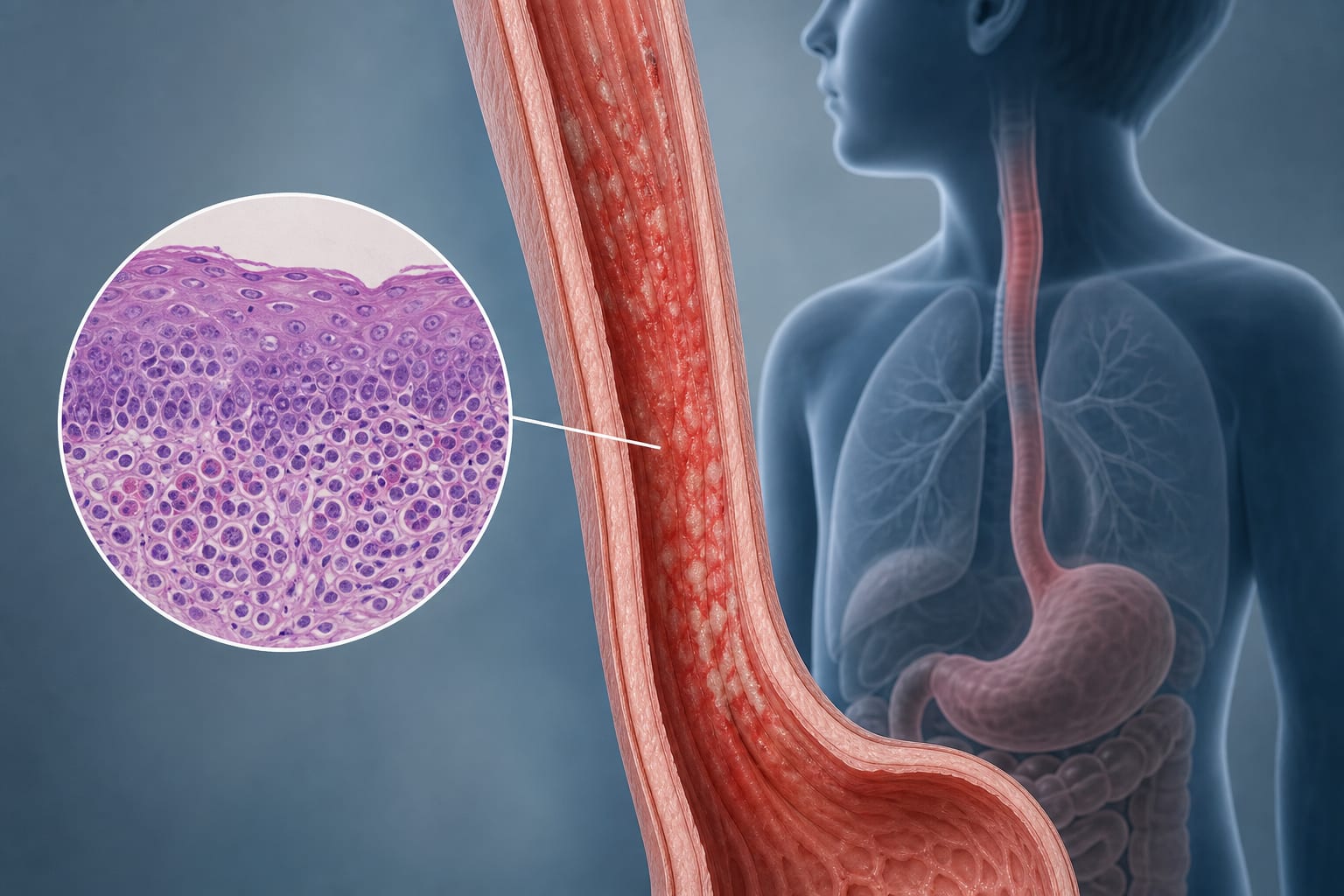
Anti-reflux mucosal ablation (ARMA) as a novel minimally invasive treatment for severe gastroesophageal reflux disease in a child: the first pediatric case report - Report - MDSpire

Anti-reflux mucosal ablation (ARMA) as a novel minimally invasive treatment for severe gastroesophageal reflux disease in a child: the first pediatric case report

  • By

  • Jonas Povilavičius

  • Geistė Tubutytė

  • Kamilė Bagdonaitė

  • Audrius Dulskas

  • Arūnas Strumila

  • Austėja Račytė

  • June 1, 2026

  • 0 min

Share

Clinical Report: Minimally Invasive Anti-Reflux Mucosal Ablation in Pediatrics

Overview

This case report evaluates the feasibility and early outcomes of antireflux mucosal ablation (ARMA) in a pediatric patient with severe gastroesophageal reflux disease (GERD) refractory to proton pump inhibitors. The procedure demonstrated improved reflux control and reduced need for acid-suppressive therapy without complications.

Background

Gastroesophageal reflux disease (GERD) is prevalent in the pediatric population, particularly among neurologically impaired children who often experience refractory symptoms despite standard treatments. Conventional surgical options carry significant risks, highlighting the need for minimally invasive alternatives like ARMA. This case represents an important exploration of ARMA's applicability in a high-risk pediatric cohort.

Data Highlights

No formal numerical data or trial results were presented in this case report.

Key Findings

  • ARMA is a novel, minimally invasive technique for treating refractory GERD.
  • The procedure was performed successfully in a 9-year-old boy with spastic cerebral palsy and severe GERD.
  • Post-procedure follow-up indicated improved reflux control and enhanced tolerance of gastrostomy feeding.
  • No intra-procedural complications or immediate adverse events were reported.
  • ARMA may have broader applicability for other pediatric patients with medication-resistant GERD.

Clinical Implications

ARMA presents a promising option for managing refractory GERD in pediatric patients, particularly those with significant comorbidities. Clinicians should consider this technique as part of a multidisciplinary approach for high-risk patients who do not respond to conventional therapies.

Conclusion

This case underscores the potential of ARMA as a safe and effective treatment for refractory GERD in a pediatric population, warranting further investigation into its broader applicability.

Related Resources & Content

  1. Surgical Endoscopy, 2021 -- A Retrospective Analysis of 180° versus 270° Anti-Reflux Mucosectomy Techniques in Managing Refractory Gastroesophageal Reflux Disease
  2. Journal of Gastrointestinal Surgery, 2011 -- Evaluating the Impact and Effectiveness of Antireflux Surgery in Pediatric Patients with Gastroesophageal Reflux Disease: A Comprehensive Review
  3. Obesity Surgery, 2026 -- Safety Framework for Gastric Mucosal Ablation (GMA) Using Hybrid Argon Plasma Coagulation (hAPC): International Expert Consensus
  4. the new gastroenterologist -- Sequential endoscopy may boost GERD control
  5. NASPGHAN, 2024 -- Pediatric GERD Summary
  6. American Society for Gastrointestinal Endoscopy -- Clinical outcomes of anti-reflux mucosal ablation for gastroesophageal reflux disease: An international bi-institutional study
  7. American Society for Gastrointestinal Endoscopy guideline on the diagnosis and management of GERD: summary and recommendations
  8. https://naspghan.org/wp-content/uploads/2024/01/PedGERD-Summary-revised-January-2024.pdf
  9. Clinical outcomes of anti-reflux mucosal ablation for gastroesophageal reflux disease: An international bi-institutional study - PubMed

Original Source(s)

Related Content