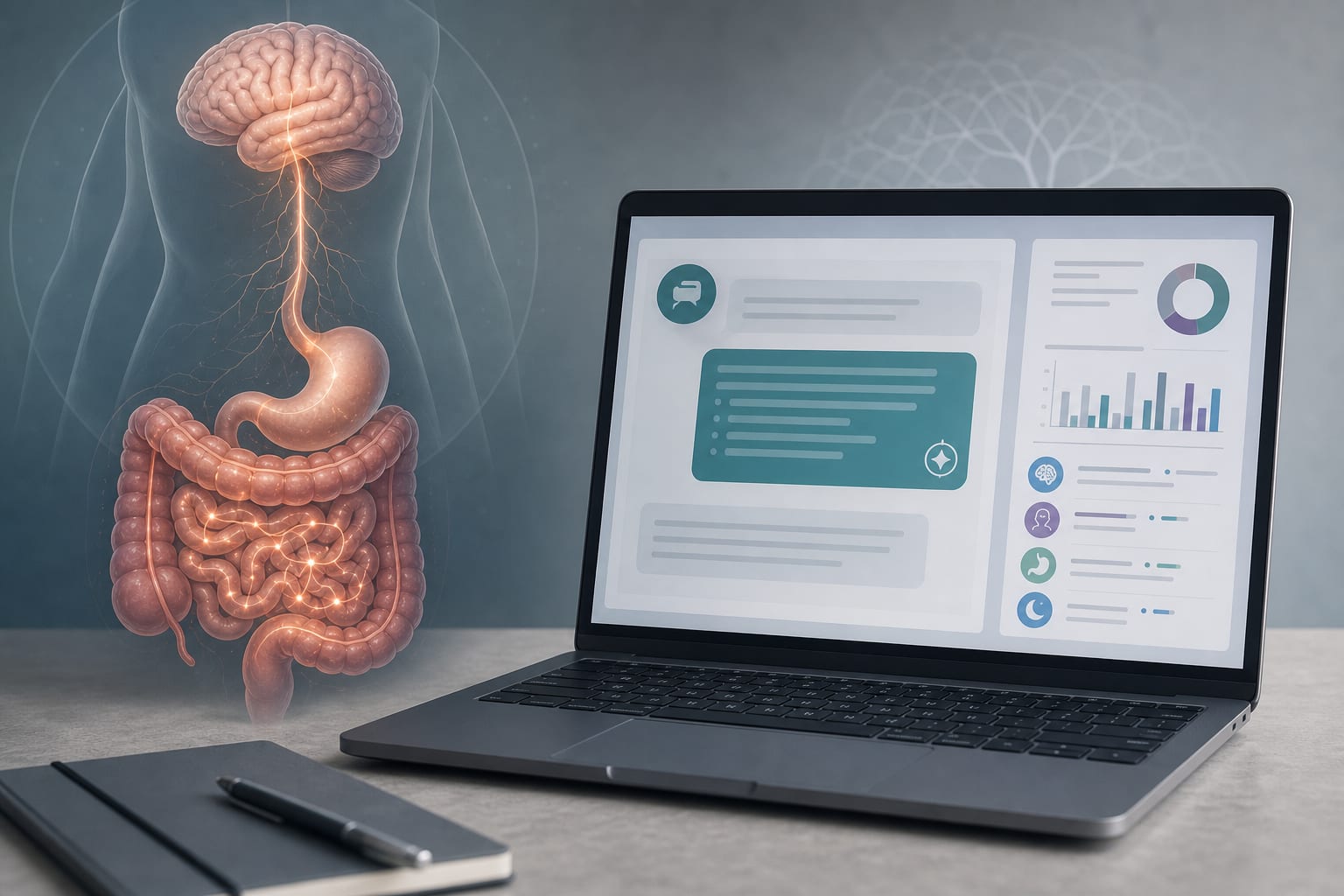
Clinical Report: Utilizing Generative AI for Initial Mental Health Assessment
Overview
Generative AI (GenAI) can enhance the initial assessment of disorders of gut-brain interaction (DGBI) by streamlining pre-consultation triage. This approach aims to integrate patient histories and psychosocial factors to improve the efficiency and effectiveness of gastroenterology consultations.
Background
Disorders of gut-brain interaction (DGBI) are prevalent and often associated with significant mental health challenges, including anxiety and depression. The complexity of these disorders necessitates a comprehensive assessment that considers both physical and psychological factors. Current clinical practices often lead to delayed recognition of mental health needs, highlighting the potential for GenAI to facilitate earlier and more informed interventions.
Data Highlights
No numerical data provided in the source material.
Key Findings
GenAI can assist in organizing patient symptom narratives and psychosocial contexts for better triage.
Effective triage in DGBI requires a nuanced understanding of both medical and psychological factors.
Five essential conditions for GenAI systems include defined tasks, proportionate data collection, escalation rules, clinician oversight, and prospective evaluation.
Early integration of behavioral care is emphasized in recent guidelines for DGBI management.
Meta-analyses indicate that internet-based self-help programs can effectively reduce symptoms of DGBI.
Clinical Implications
Clinicians should consider implementing GenAI tools to enhance the initial assessment process for patients with DGBI. By facilitating a more thorough understanding of patients' histories and psychosocial factors, these tools can lead to more effective management plans and timely referrals for psychological support.
Conclusion
The integration of GenAI in the pre-consultation phase for DGBI presents a promising opportunity to improve patient care. By ensuring that these systems are carefully supervised and contextually aware, healthcare providers can enhance the efficiency and effectiveness of gastroenterology consultations.