Clinical Report: Examining the Link Between Biological Aging and Hospital-Diagnosed MASLD
Overview
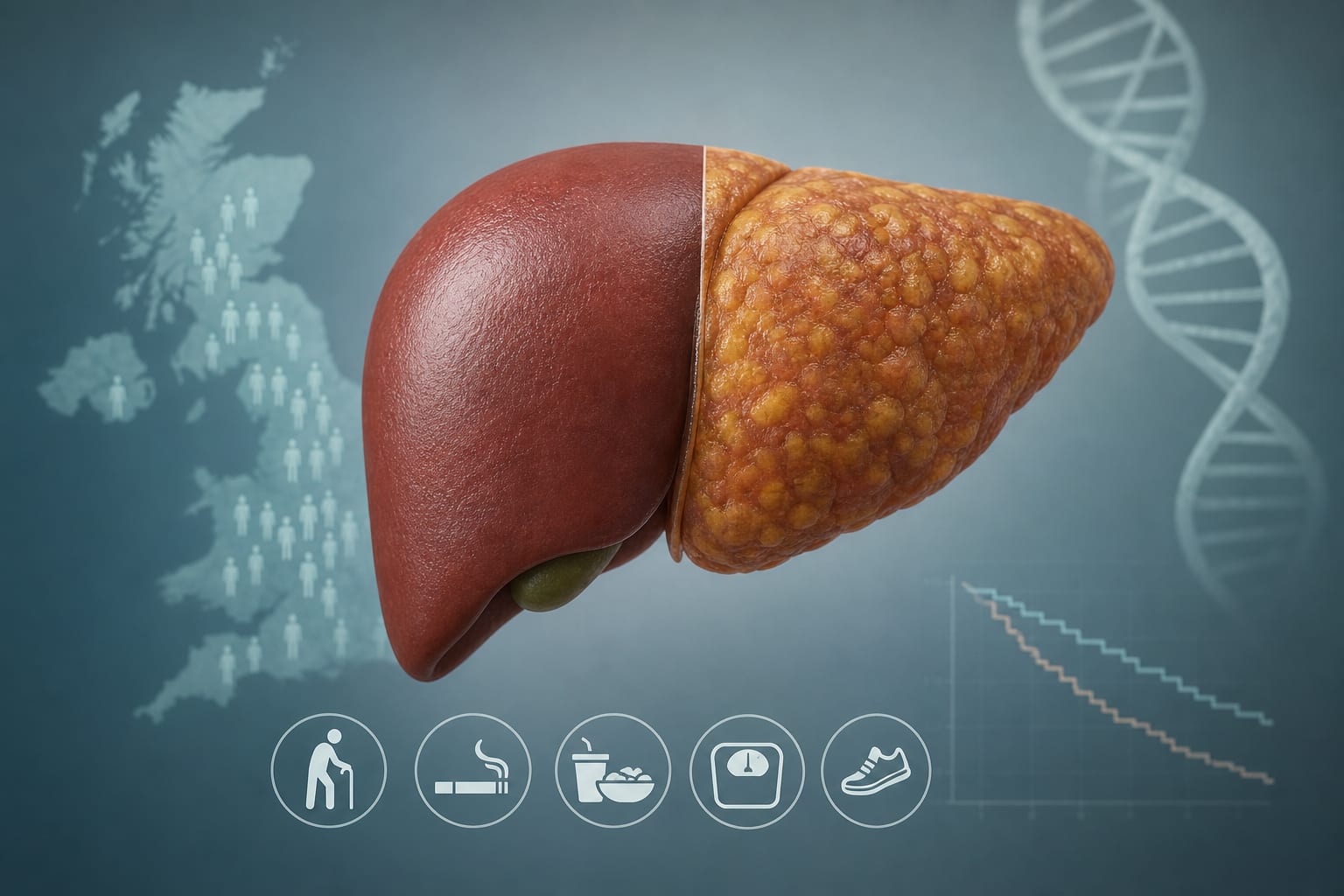
This study investigates the association between biological aging and hospital-diagnosed metabolic dysfunction-associated steatotic liver disease (MASLD) using data from the UK Biobank. Findings indicate that accelerated biological aging is significantly linked to MASLD and may mediate the effects of unhealthy lifestyle factors on this condition.
Background
Metabolic dysfunction-associated steatotic liver disease (MASLD) is a prevalent condition affecting approximately 25% of the adult population, associated with increased morbidity and mortality. Understanding the role of biological aging in MASLD is crucial, as aging influences metabolic processes that contribute to the disease's pathogenesis. This study aims to clarify the relationship between biological aging and MASLD, which may inform risk stratification and prevention strategies.
Healthcare professionals should consider biological aging as a significant factor in assessing MASLD risk, particularly in patients with unhealthy lifestyle habits. Interventions targeting lifestyle modifications may be more effective if biological aging is addressed as part of the management strategy for MASLD.
Conclusion
The findings underscore the importance of biological aging in the context of MASLD, suggesting that it may serve as a valuable marker for risk assessment and intervention strategies. Further research is warranted to explore the implications of these associations in clinical practice.