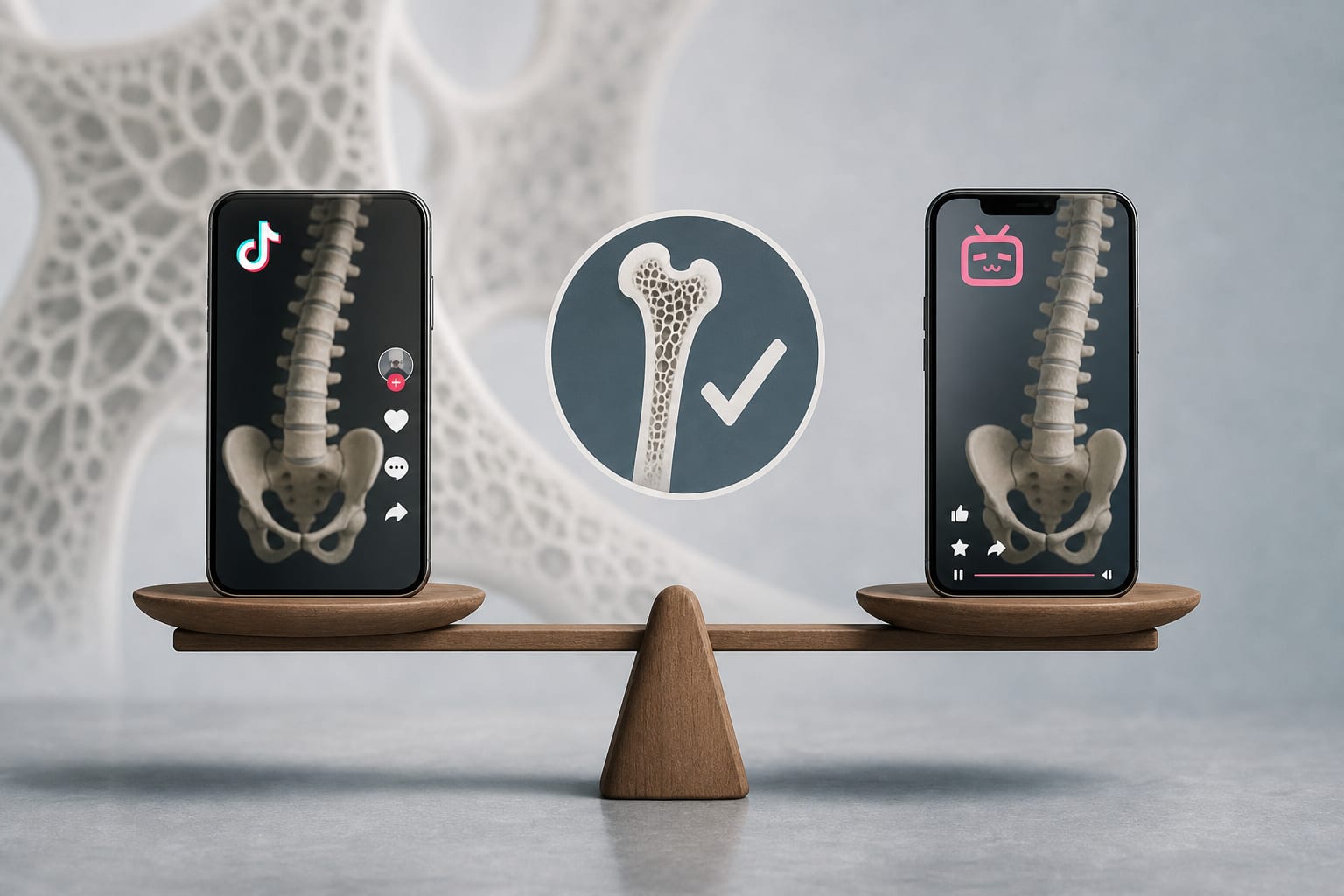
Clinical Report: Impact of a Single Educational Video Intervention Based on Guidelines on Knowledge of Osteoporosis
Overview
This study evaluates the effectiveness of a single educational video intervention on improving knowledge about osteoporosis among patients. The findings suggest that such interventions can enhance understanding and awareness of osteoporosis, potentially leading to better treatment adherence.
Background
Osteoporosis is a prevalent condition that significantly increases fracture risk, particularly among aging populations. Despite effective treatment options, adherence remains low due to knowledge gaps and misconceptions about the disease. Educational interventions are crucial for improving patient understanding and promoting adherence to therapy.
Data Highlights
No numerical data was provided in the source material.
Key Findings
Osteoporosis affects nearly 28 million people in Europe, leading to significant morbidity.
Educational interventions can improve patient knowledge and adherence to osteoporosis treatment.
Single educational encounters may not ensure long-term retention of information.
Digital tools like video interventions can standardize the delivery of educational content.
Knowledge gaps about osteoporosis are prevalent, especially among high-risk groups like postmenopausal women.
Clinical Implications
Healthcare providers should consider implementing single educational video interventions as a scalable method to enhance patient knowledge about osteoporosis. Improved understanding may lead to better adherence to treatment and ultimately reduce fracture incidence.
Conclusion
The study underscores the potential of educational video interventions in bridging knowledge gaps about osteoporosis, which is essential for improving patient outcomes. Further research is needed to assess long-term retention and impact on treatment adherence.