Clinical Report: Harnessing AI for Cardiovascular Risk Assessment in Diabetic Patients
Overview
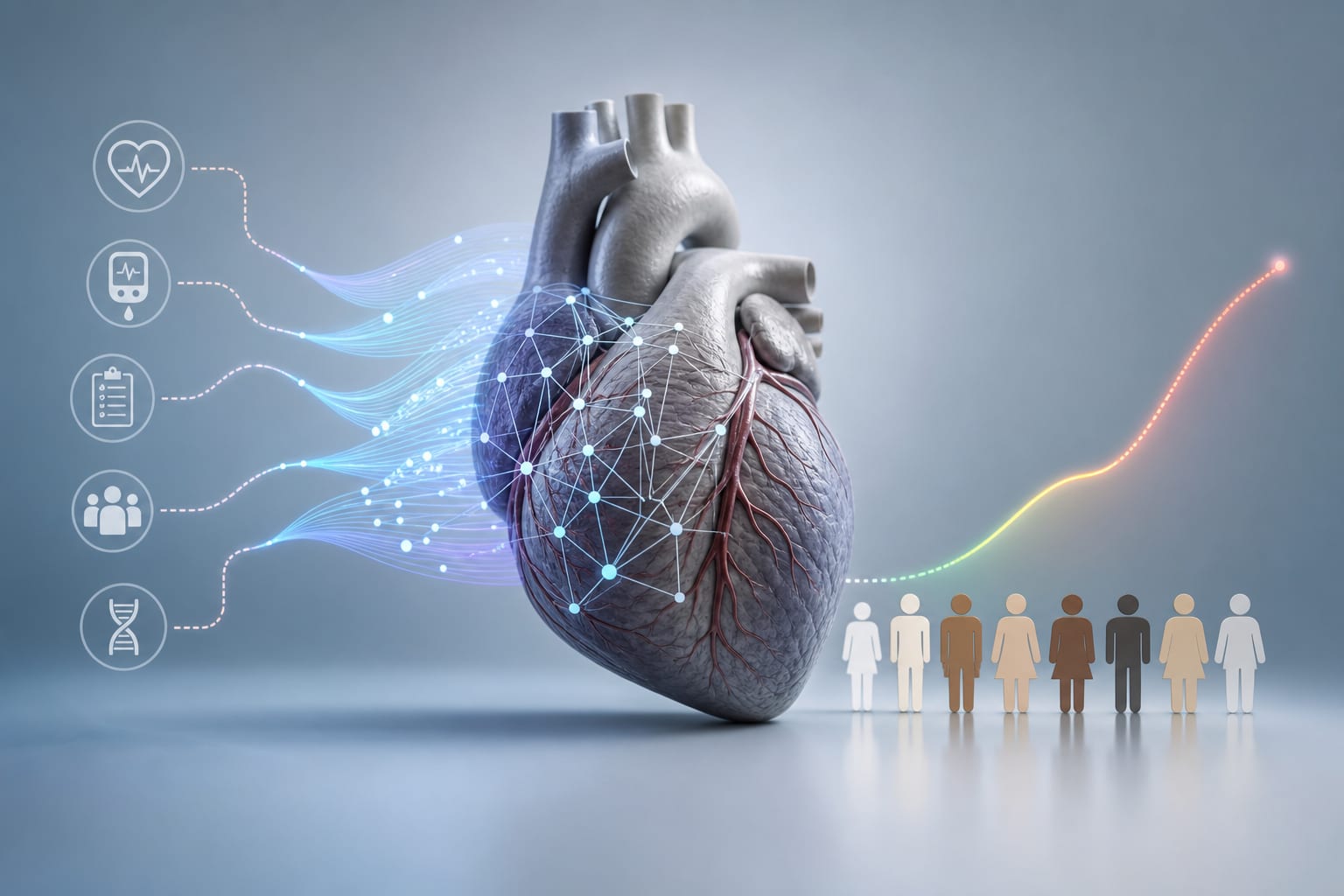
This report discusses the potential of machine learning models to enhance cardiovascular disease prediction in type 2 diabetes patients. However, it highlights significant biases and representational gaps in current models, particularly for Asian populations, which impede their clinical application.
Background
The rising global prevalence of diabetes-related cardiovascular disease necessitates improved risk assessment tools. Traditional methods often lack accuracy in diverse populations, particularly in Asia, where cardiovascular burdens are high. Machine learning offers a promising alternative, yet its clinical translation is hindered by biases and inadequate validation.
Data Highlights
No numerical data available in the source material.
Key Findings
Machine learning models, particularly neural networks, show superior performance in cardiovascular risk prediction compared to traditional methods.
Current models exhibit high risk of bias and poor adherence to reporting standards, limiting their clinical utility.
There is a critical lack of representativeness in existing models, particularly for Asian populations.
Future advancements should focus on external validation and subgroup-specific performance reporting.
Fairness in model performance is essential to avoid systematic biases in underrepresented populations.
Clinical Implications
Healthcare professionals should be cautious in adopting machine learning models for cardiovascular risk assessment in diabetic patients due to potential biases. Emphasizing external validation and equitable performance across diverse populations is crucial for effective clinical implementation.
Conclusion
The transition from algorithmic performance to equitable clinical application is vital for the successful integration of machine learning in cardiovascular risk assessment for diabetic patients.
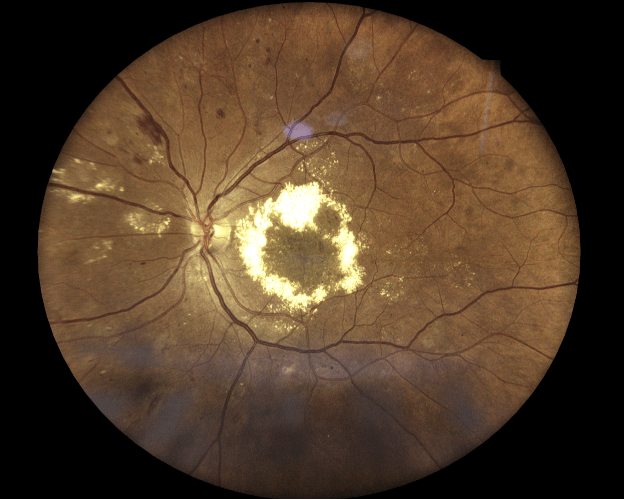
"AI could help reduce the burden on ophthalmology services by triaging large numbers of patients with diabetes and allowing specialists to focus on those who most urgently need care."