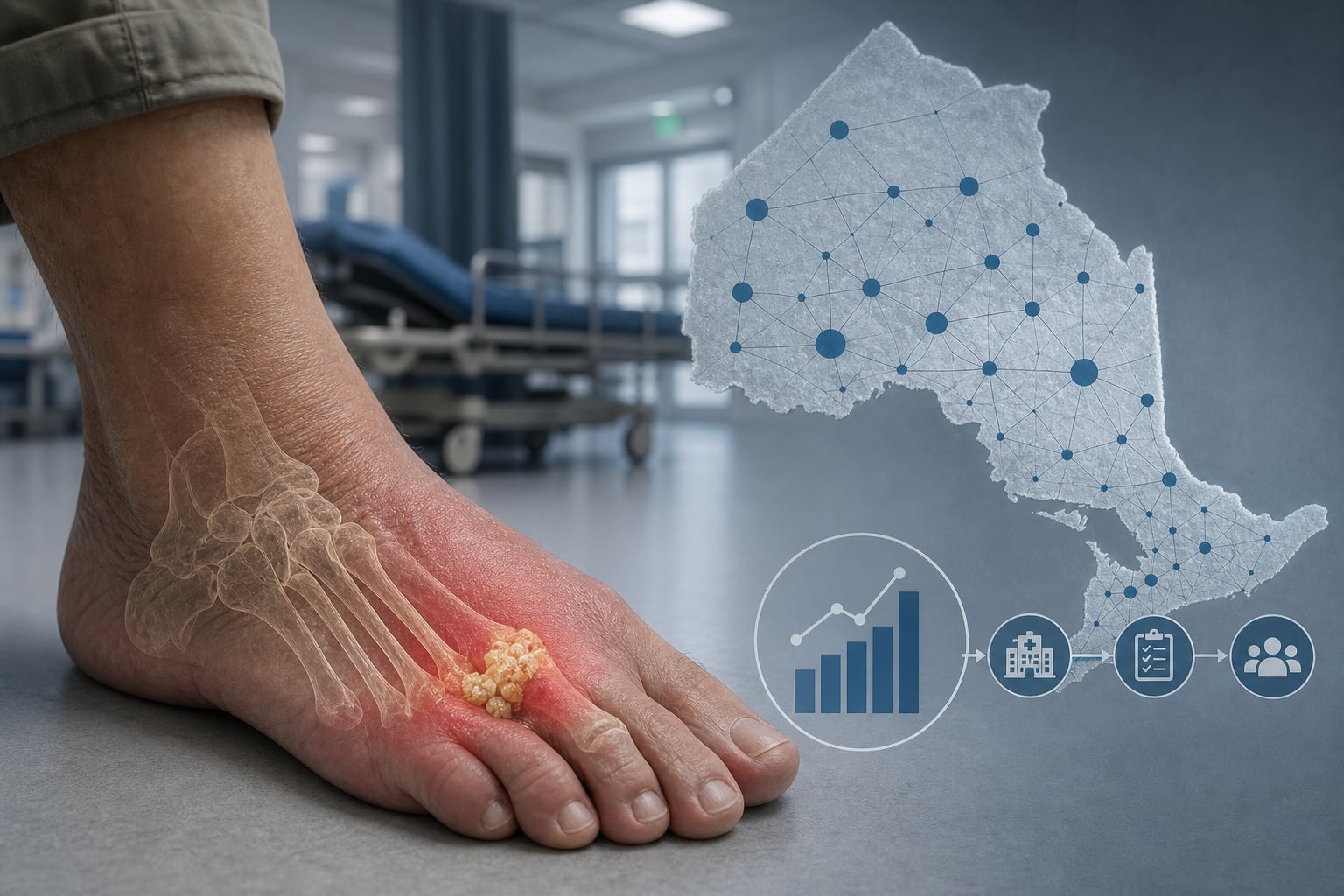
Molecular and Cellular Pathways Leading to Tophi Development from Uric Acid Accumulation
Overview
This study elucidates the complex multistage process of tophus formation in chronic gout, highlighting the roles of monosodium urate (MSU) crystals, inflammation, and tissue remodeling. It identifies key regulatory nodes and potential therapeutic strategies to improve patient outcomes.
Background
Gout is a prevalent metabolic rheumatic disease characterized by hyperuricemia and the formation of tophi, which can lead to significant joint deformities and renal damage. Understanding the mechanisms of tophus development is crucial for developing targeted therapies and improving patient quality of life. Current research indicates that tophus formation is influenced by a combination of metabolic, immune, and tissue repair processes.
Data Highlights
No numerical data or trial data provided in the source material.
Neutrophil infiltration and the formation of neutrophil extracellular traps (NETs) play significant roles in the inflammatory response.
Macrophage phenotypic conversion and fibroblast activation contribute to extracellular matrix remodeling during tophus development.
The study identifies core regulatory nodes at each stage of the tophus formation process.
Potential therapeutic strategies for tophi are explored, emphasizing the need for precision-based interventions.
Clinical Implications
The insights gained from this study may inform the development of targeted therapies for tophus management in chronic gout. Understanding the underlying mechanisms of tophus formation can aid clinicians in tailoring interventions to improve patient outcomes.
Conclusion
This research provides a comprehensive framework for understanding tophus development, highlighting the need for further exploration of therapeutic targets to enhance patient care in chronic gout.
Federal prosecutors allege that a Florida physician and research staff fabricated clinical trial records that were submitted into database systems used to evaluate investigational drugs.