Long-term Outcomes for Mothers and Newborns Following Nivolumab Treatment
Overview
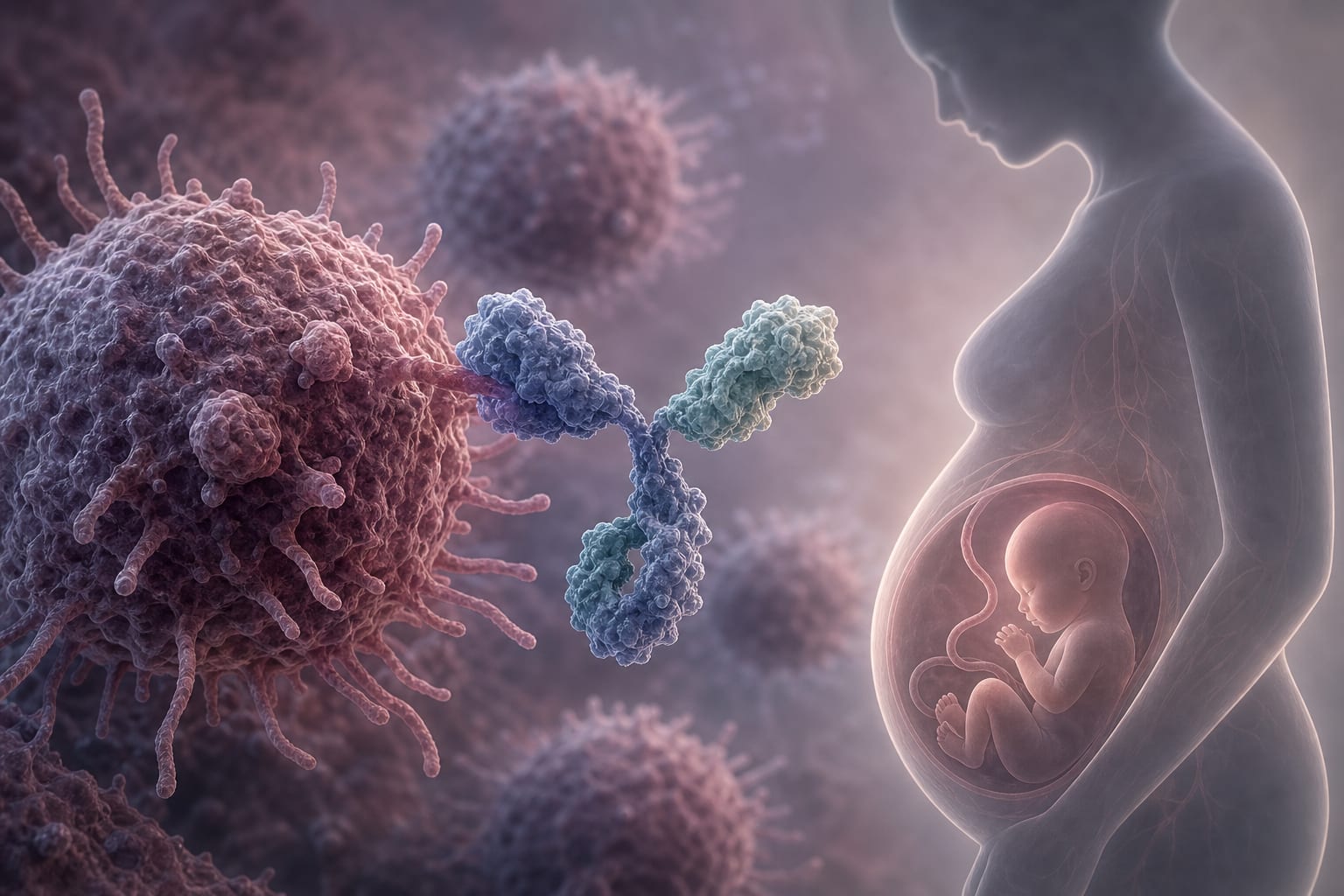
This case study reports successful maternal and fetal outcomes following nivolumab treatment in a young woman with metastatic squamous cell carcinoma. Despite the known risks of immunotherapy during pregnancy, the patient experienced an uneventful pregnancy and healthy delivery.
Background
Immunotherapy with checkpoint inhibitors has transformed cancer treatment, yet its effects on pregnancy and fertility remain poorly understood. The FDA categorizes anti-PD-1 therapies like nivolumab as pregnancy category D, indicating potential risks to fetal health. Understanding these implications is crucial for managing cancer in reproductive-age patients.
Data Highlights
Incorporate qualitative insights or observations from the case study to provide context.
Key Findings
A 17-year-old woman with metastatic squamous cell carcinoma successfully carried a pregnancy to term after nivolumab treatment.
The patient had a near complete radiological response to nivolumab before discovering her pregnancy.
She received gynecological and psychological support during her pregnancy.
The newborn exhibited normal development and the patient breastfed without adverse effects.
32 months after delivery, the patient developed a new lung recurrence, indicating the need for ongoing monitoring.
Clinical Implications
Highlight the importance of a multidisciplinary approach in managing pregnant patients on immunotherapy.
Conclusion
Expand the conclusion to stress the necessity for ongoing research into long-term maternal and fetal outcomes.