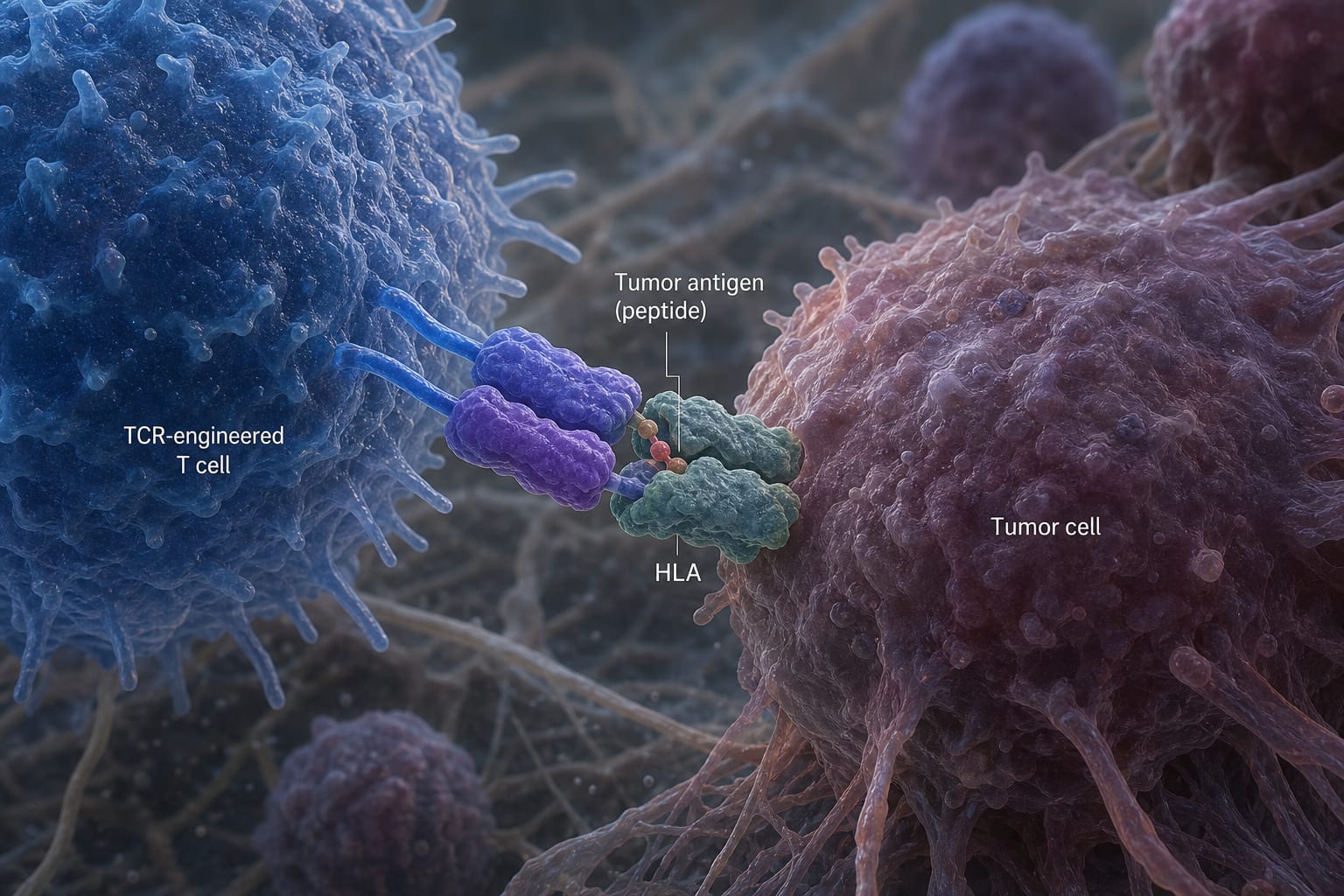
Clinical Report: Harnessing TCR-T Cell Therapy for Solid Tumors
Overview
Revise to better explain the impact of HLA restriction and tumor microenvironment on TCR-T therapy efficacy.
Background
Solid tumors present significant challenges for adoptive T-cell therapies due to their heterogeneous antigen expression and unstable antigen presentation. While traditional therapies like chemotherapy and radiotherapy have improved outcomes, they often come with substantial toxicities. TCR-T therapy offers a novel approach by recognizing intracellular antigens, potentially expanding the range of treatable tumors.
Data Highlights
No numerical data available in the provided material.
Key Findings
Rephrase findings for clarity and ensure they are directly supported by the source.
Clinical Implications
Clinicians should consider the limitations of TCR-T therapy, including the need for HLA typing and the potential for on-target/off-tumor toxicity. Ongoing clinical trials may provide further insights into optimizing TCR-T therapy for solid tumors.
Conclusion
TCR-T therapy represents a promising advancement in the treatment of solid tumors, but achieving broader and more durable responses will require addressing current limitations through innovative strategies.