Clinical Report: Exploring the Role of Digital Twins in Homecare
Overview
This report examines the perspectives of older adults on the use of digital twins in homecare, highlighting their potential to enhance personalized care and address health challenges. The findings underscore the importance of user acceptability and the need for tailored digital health solutions.
Background
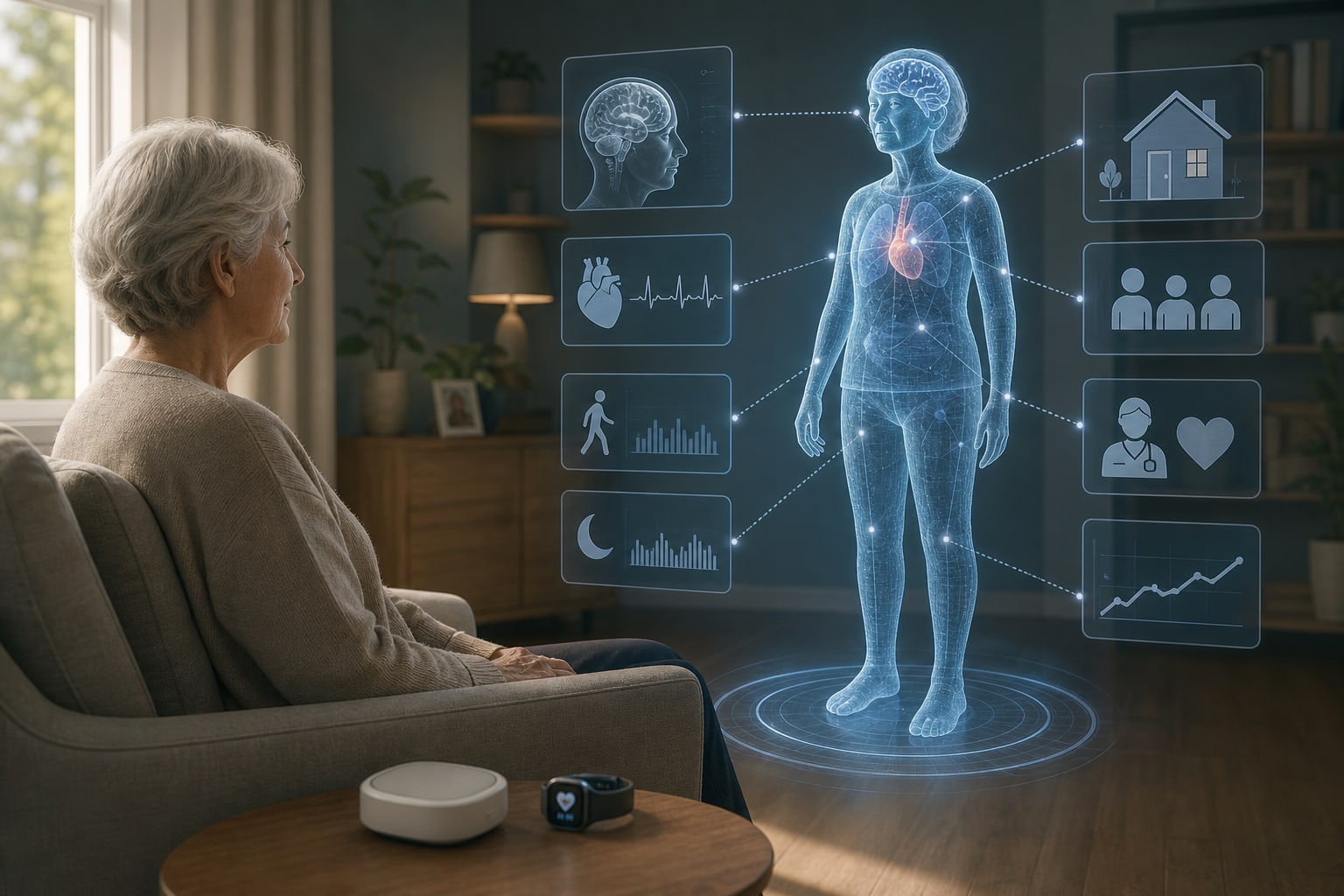
The ageing population is increasing globally, leading to a rise in older adults with complex health conditions who prefer to age in place. While this policy supports independence and quality of life, it can also result in social isolation and increased care needs. Digital twins represent a promising technological advancement that could improve homecare by providing personalized monitoring and proactive health management.
Data Highlights
No numerical data available in the source material.
Key Findings
Digital twins can enhance care by monitoring behavior and predicting health outcomes.
Older adults desire technologies that respect their individuality and involve them in decision-making.
Challenges in implementing digital twins include technical infrastructure and ethical considerations.
Research on user acceptability of digital twins in homecare is currently lacking.
Digital twins have shown feasibility in detecting health risks and supporting aging in place.
Clinical Implications
Healthcare providers should consider integrating digital twin technology into homecare services to enhance personalized care. Understanding the perspectives of older adults is crucial for developing user-friendly digital health solutions that meet their needs.
Conclusion
Digital twins hold significant potential for improving homecare for older adults, but further research is needed to address implementation challenges and ensure user acceptability.