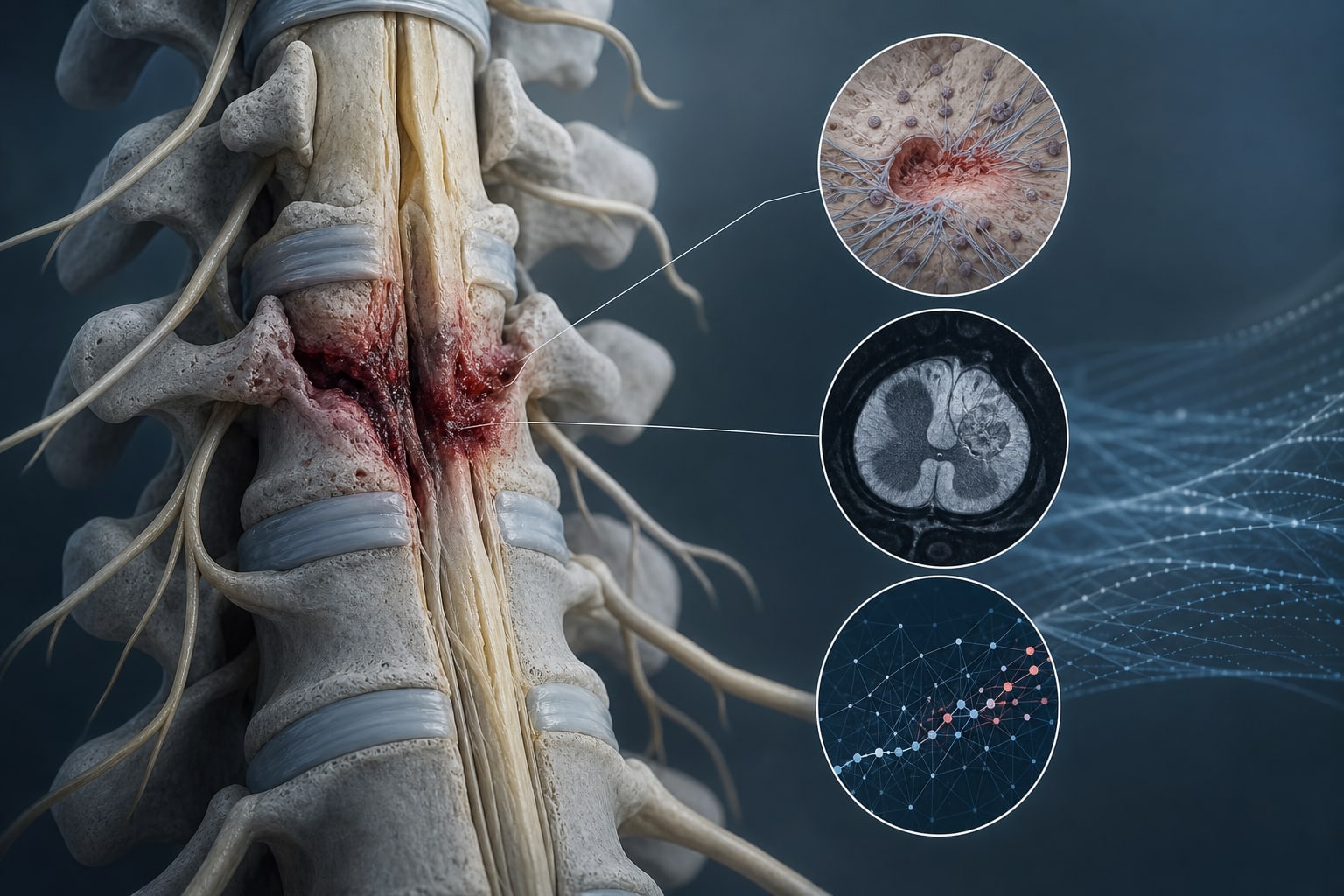
Clinical Report: Addressing Endoplasmic Reticulum Stress in Neuropathic Pain
Overview
Endoplasmic reticulum (ER) stress is a significant mechanism in the pathogenesis of neuropathic pain (NP), contributing to neuroinflammation and neuronal dysfunction. Targeting ER stress pathways may offer innovative therapeutic strategies to improve NP management.
Background
Neuropathic pain affects approximately 7%–10% of the global population, leading to significant healthcare burdens and reduced quality of life. Current treatments, such as gabapentinoids and antidepressants, often have limited efficacy and can cause adverse effects like sedation and dizziness, highlighting the need for novel therapeutic approaches. Understanding the role of ER stress in NP could pave the way for new treatment modalities.
Data Highlights
No numerical data available in the article.
Key Findings
ER stress contributes to neuroinflammation, oxidative stress, and apoptosis in NP.
The unfolded protein response (UPR) is activated in response to ER stress, involving pathways such as PERK, IRE1, and ATF6.
Chronic activation of ER stress pathways can lead to neuronal dysfunction and pain hypersensitivity.
Targeting ER stress may provide a promising therapeutic strategy for NP management.
Cell-type specificity of ER stress signaling affects neurons, glial cells, and immune cells in both peripheral and central nervous systems.
Clinical Implications
Healthcare professionals should consider the role of ER stress in the management of neuropathic pain. Targeting ER stress pathways may enhance treatment efficacy and reduce the burden of chronic pain conditions by potentially improving patient outcomes.
Conclusion
Addressing ER stress represents a novel and promising approach to improve therapeutic outcomes in neuropathic pain. Further research is needed to translate these findings into clinical practice, focusing on specific mechanisms and patient populations.