Surgical thoracic duct decompression: The right choice for Fontan-associated protein-losing enteropathy? - Report - MDSpire
Advertisement
Surgical thoracic duct decompression: The right choice for Fontan-associated protein-losing enteropathy?
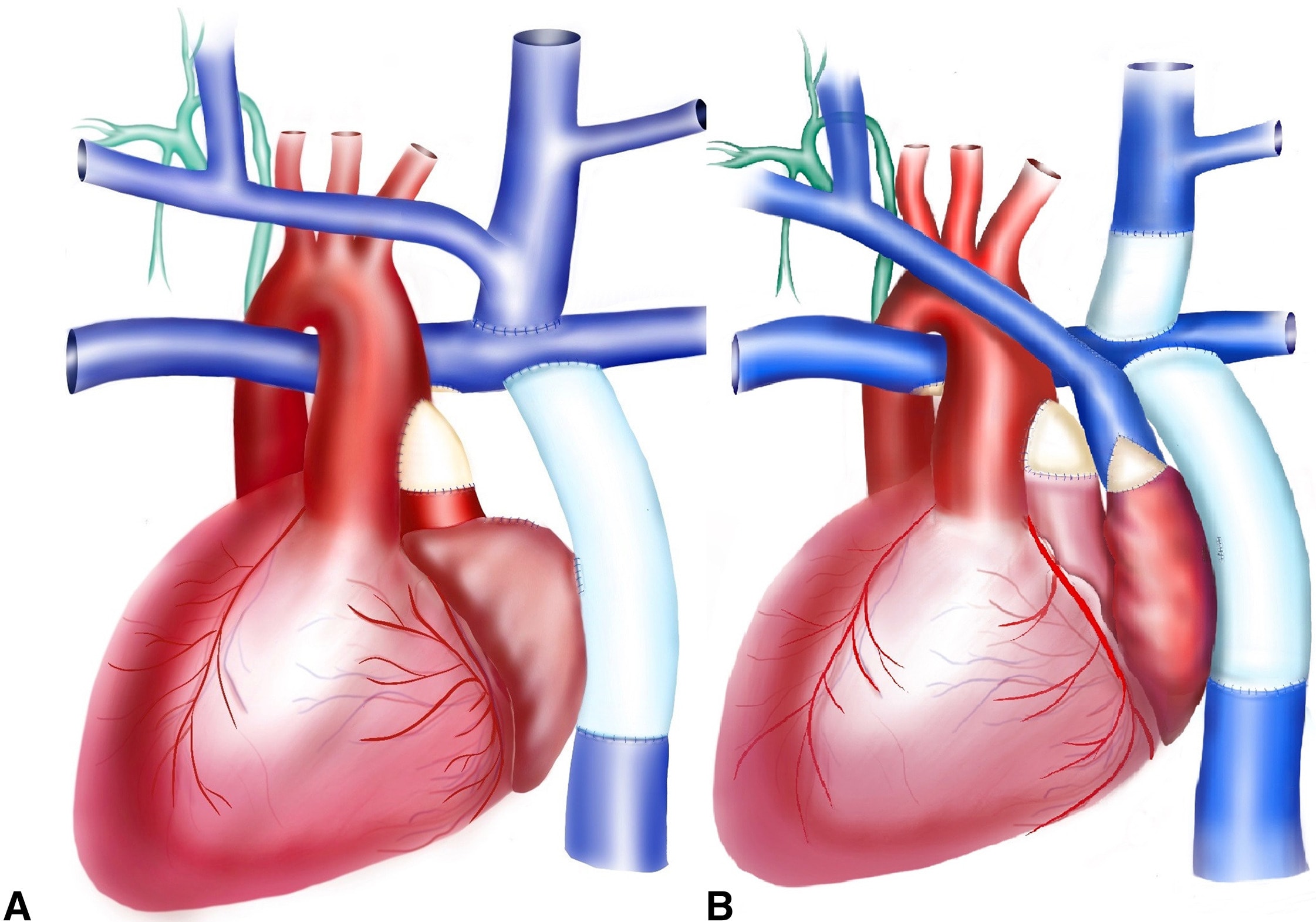
A newly published article in JTCVS Techniques presents an innovative cardiothoracic surgical approach focused on addressing a specific technical challenge while supporting efficiency and reproducibility in the operating room.
Clinical Report: Surgical Thoracic Duct Decompression for PLE in Fontan Patients
Overview
This report discusses a novel surgical technique for thoracic duct decompression aimed at treating Fontan-associated protein-losing enteropathy (PLE). Early results indicate feasibility and symptom resolution in pediatric patients, highlighting the importance of technical innovation in surgical care. (Update timeline to reflect current data.)
Background
Fontan-associated protein-losing enteropathy (PLE) is a significant complication in patients with Fontan circulation, leading to lymphatic congestion and poor outcomes. Traditional management strategies may not adequately address the underlying lymphatic issues, necessitating innovative surgical approaches. The development of surgical thoracic duct decompression (TDD) presents a promising option for improving patient care in this challenging population.
Data Highlights
Early outcomes in five pediatric Fontan patients with recurrent PLE showed symptom resolution and survival free of transplant. (Adjust date to reflect past outcomes.)
Key Findings
The surgical thoracic duct decompression technique is presented as a reproducible and efficient approach. Early results demonstrate feasibility and symptom resolution in pediatric patients with PLE, supported by specific metrics. Technical innovation in surgical methods is crucial for advancing care in complex congenital heart disease cases. Multimodality imaging plays a vital role in the management of PLE and related complications. Thoracic duct decompression may serve as an alternative to heart transplantation for selected patients.
Clinical Implications
Healthcare professionals should consider surgical thoracic duct decompression as a viable option for managing Fontan-associated PLE, while being aware of potential risks. Ongoing assessment and monitoring of lymphatic function are essential in optimizing patient outcomes.
Conclusion
Surgical thoracic duct decompression represents a promising advancement in the treatment of Fontan-associated PLE, with early results supporting its feasibility and effectiveness. Continued innovation and research are necessary to refine these techniques and improve patient care.