Clinical Report: Mirror Intracranial Aneurysms and Patient Risk Assessment
Overview
Mirror Intracranial Aneurysms (MIAs) represent a subset of multiple intracranial aneurysms occurring bilaterally on corresponding arteries. This study retrospectively analyzed 1,438 patients with unruptured intracranial aneurysms (UIAs) to assess whether MIA status independently correlates with higher rupture risk or adverse outcomes compared to singular or asymmetrical multiple aneurysms.
Background
Intracranial aneurysms affect 2%–3% of the population, with rupture causing subarachnoid hemorrhage that carries significant morbidity and approximately 50% mortality at one month. Risk stratification of unruptured aneurysms is essential to balance rupture risk against treatment risks. Morphological factors such as size ratio and aspect ratio, as well as hemodynamic parameters like wall shear stress, influence aneurysm formation and rupture risk. MIAs, occurring symmetrically on paired arteries, often localize to high turbulent flow regions and may have distinct rupture risk profiles compared to other aneurysm types.
Data Highlights
A retrospective cohort of 1,438 patients with UIAs was identified from two UK neurosurgical centers between 2006 and 2020, with follow-up until 2022. Patients were categorized into three groups: Singular Intracranial Aneurysms (SIAs), asymmetrical Multiple Intracranial Aneurysms (aMIAs), and Mirror Intracranial Aneurysms (MIAs). MIAs were defined as bilateral aneurysms on corresponding arteries. Inter-rater reliability for MIA classification was high (98% agreement). Inclusion and exclusion criteria ensured a well-defined cohort for analysis.
Key Findings
MIAs account for a significant proportion of multiple intracranial aneurysms, predominantly located at high-flow bifurcations such as the middle cerebral artery (MCA) and internal carotid artery (ICA) terminus.
Multiplicity of aneurysms is associated with increased rupture risk; however, it remains unclear if MIA status independently elevates patient-level rupture hazard beyond multiplicity effects.
Hemodynamic factors influenced by vascular angulation and symmetry, including wall shear stress and oscillatory shear index, may contribute to MIA formation and behavior.
Classification of MIAs was reproducible with high inter-rater agreement, supporting reliability of anatomical definitions used.
Longitudinal data collection allowed assessment of aneurysm growth and rupture outcomes, addressing temporal heterogeneity and multiple testing biases.
Clinical Implications
Clinicians should recognize that patients with multiple aneurysms, including MIAs, may carry higher rupture risk, warranting careful individualized risk stratification. The anatomical symmetry of MIAs suggests distinct hemodynamic influences that could impact rupture risk assessment and management decisions. Accurate identification and classification of MIAs using angiographic imaging are essential for appropriate monitoring and treatment planning.
Conclusion
This study highlights the importance of aneurysm multiplicity, including mirror aneurysms, in assessing rupture risk. While MIAs are anatomically distinct, further research is needed to clarify whether their symmetrical nature independently influences clinical outcomes beyond the established risk associated with multiple aneurysms.
References
PHASES Score and ISUIA Data -- Rupture Risk Models
ROAR Study Data Collection Protocol -- Aneurysm Classification
Bernoulli’s Principle and Hemodynamics -- Vascular Flow Dynamics
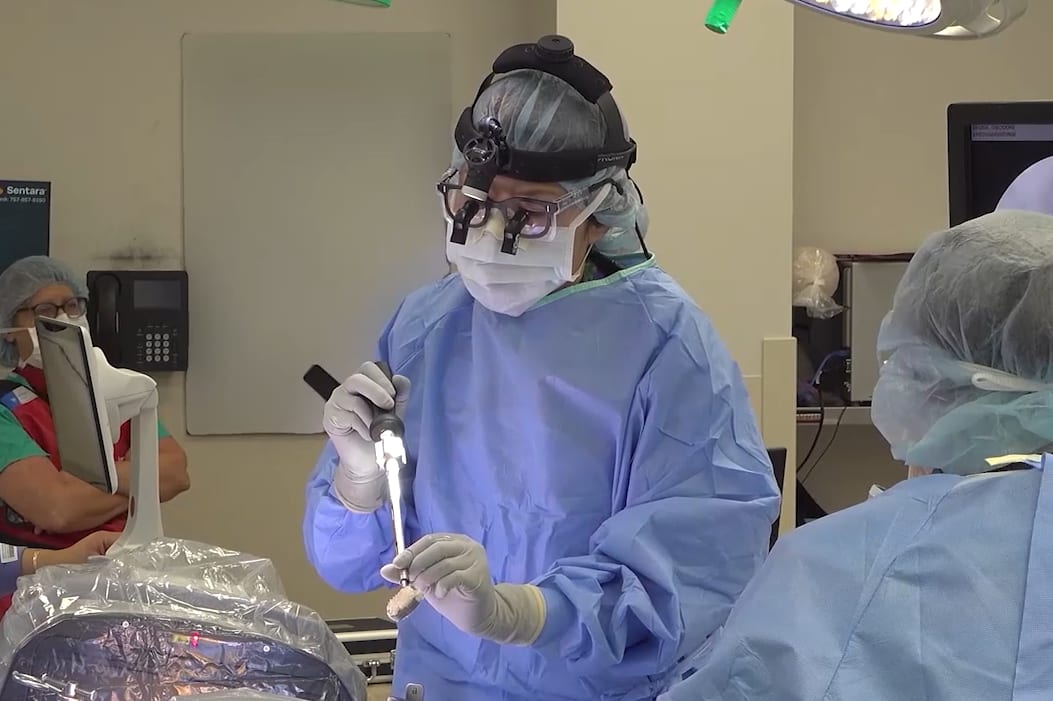
In this procedural case review, vascular surgeon Dr. Samuel Steerman and neurosurgeon Dr. Shannon Clark collaborate to perform an anterior lumbar interbody fusion (ALIF).
These 10 states make it more practical for physicians to participate in hospital ownership by aligning statutory structure, corporate practice of medicine rules, and population trends.