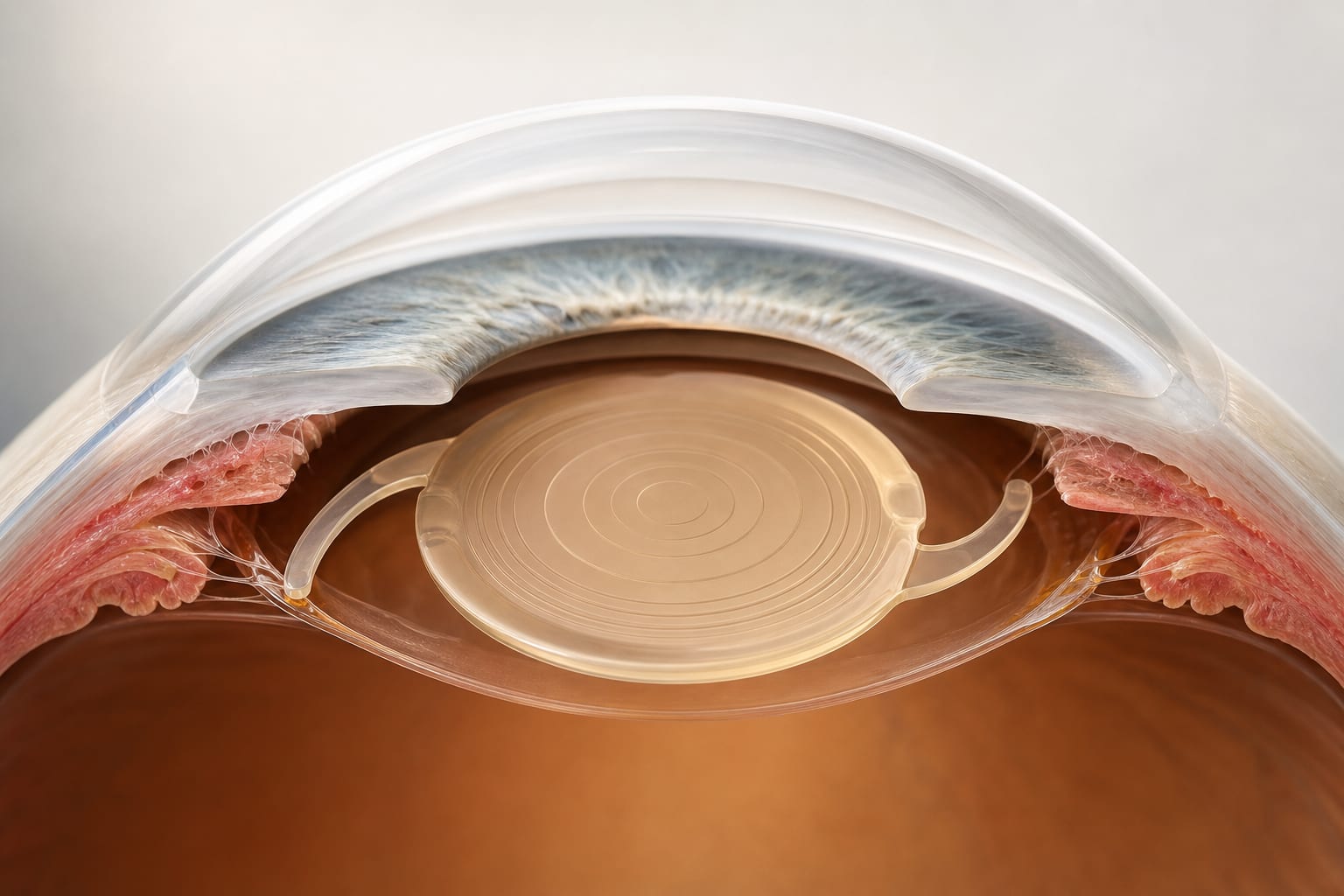
Clinical Report: The Importance of Treating OSD and Lid Margin Disease Preoperatively
Overview
Preoperative management of ocular surface disease (OSD) is crucial to improve surgical outcomes and patient satisfaction. Identifying and treating OSD can prevent the worsening of dry eye symptoms and enhance refractive accuracy.
Background
Ocular surface disease is prevalent among patients undergoing cataract surgery, often remaining asymptomatic until after the procedure. Preoperative identification and treatment of OSD can significantly impact surgical outcomes, including patient satisfaction and refractive accuracy. Recent updates to the ASCRS OSD algorithm emphasize the need for a structured approach to managing these conditions prior to surgery.
Data Highlights
No numerical data provided in the source material.
Key Findings
Rephrase for clarity and ensure all points are directly supported by the source.
Clinical Implications
Healthcare professionals should prioritize the assessment and treatment of ocular surface disease in patients scheduled for cataract surgery. Implementing preoperative management strategies can enhance surgical outcomes and reduce patient dissatisfaction.
Conclusion
Effective preoperative management of ocular surface disease is essential for optimizing surgical results and ensuring patient satisfaction. Continued emphasis on this aspect of care is necessary for improving overall surgical outcomes.