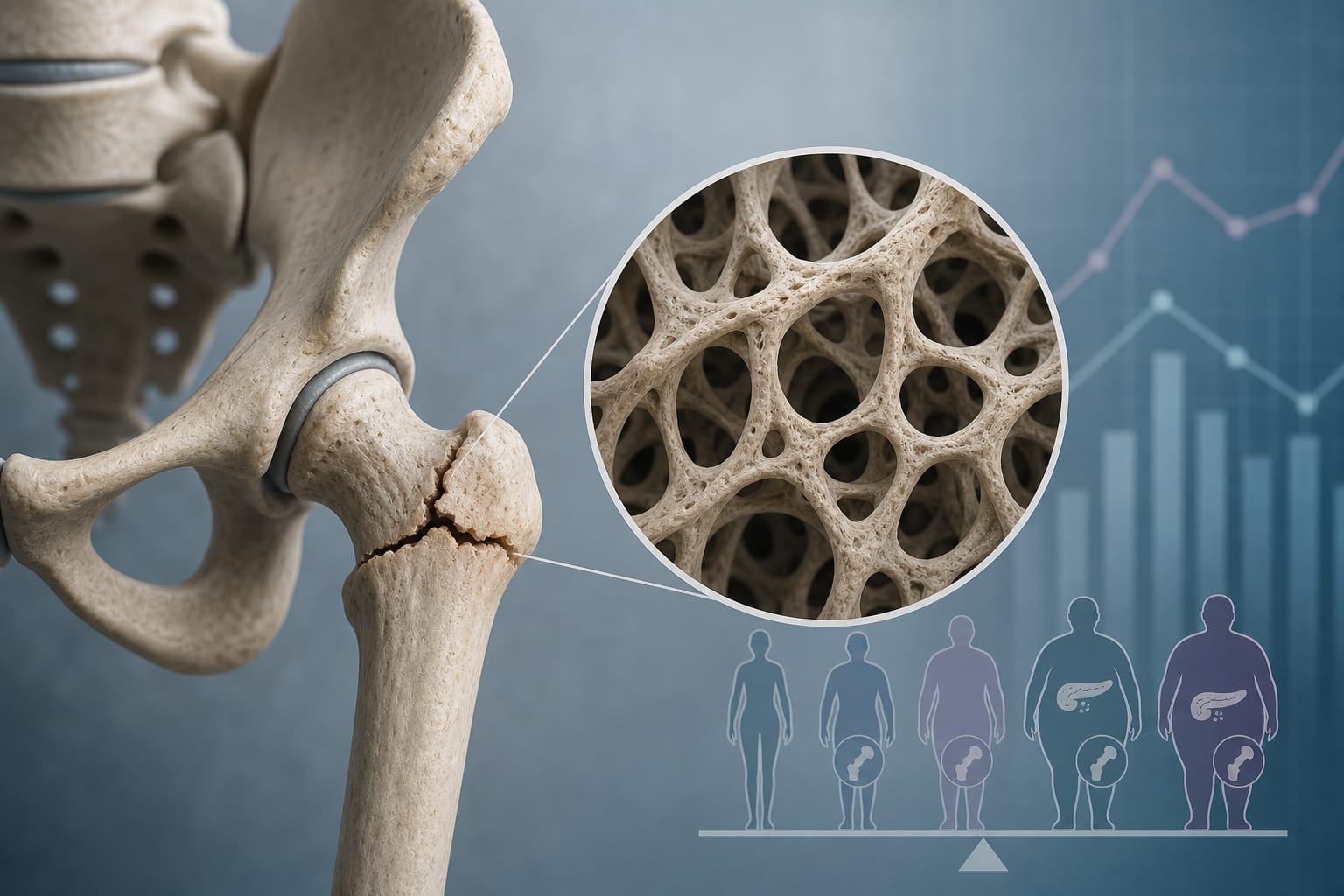
Targeting Angiogenesis to Enhance Bone Repair in Osteoporosis
Overview
Osteoporosis is characterized by reduced bone mass and impaired fracture healing, with angiogenesis playing a critical role in bone homeostasis and repair. Therapeutic strategies that enhance angiogenesis show promise in improving bone density and accelerating fracture healing in osteoporotic patients.
Background
Osteoporosis affects over 200 million people worldwide and leads to increased fracture risk due to low bone mass and deteriorated bone microarchitecture. Current treatments focus on anti-resorptive and anabolic pathways but often fail to fully restore bone quality or promote fracture healing. Angiogenesis, the formation of new blood vessels, is closely linked to osteogenesis and is essential for delivering nutrients and osteoprogenitor cells to bone tissue. Targeting the vascular-bone axis represents a novel approach to improve outcomes in systemic osteoporosis and osteoporotic fractures.
Data Highlights
Osteoporosis affects an estimated 200 million individuals globally, with increasing fracture incidence projected due to aging populations. Angiogenesis supports bone repair by enhancing blood flow and osteoprogenitor recruitment, potentially reversing bone loss and accelerating fracture healing. Pro-inflammatory cytokines in osteoporosis can both stimulate angiogenesis and exacerbate bone resorption, highlighting the complex interplay between inflammation and vascular growth in bone health.
Key Findings
Angiogenesis is fundamental to bone homeostasis and repair, facilitating nutrient delivery and osteoprogenitor cell recruitment.
Chronic inflammation in osteoporosis alters angiogenic signaling, sometimes leading to dysfunctional vessel formation that worsens bone loss.
Enhancing angiogenesis can improve bone mineral density, accelerate fracture healing, and alleviate fracture-related pain.
Therapeutic strategies include mesenchymal stem cells, phytochemicals, non-coding RNAs, pro-angiogenic proteins, repurposed drugs, and physical therapies targeting the vascular-bone axis.
Combining pro-angiogenic treatments with standard osteoporosis care may yield synergistic benefits for systemic bone restoration and localized fracture repair.
Challenges remain in target specificity, clinical translation, and robust evidence to guide angiogenesis-based therapies.
Clinical Implications
Clinicians should consider the vascular component of bone health when managing osteoporosis and fractures. Emerging therapies that promote angiogenesis may complement existing treatments by enhancing bone regeneration and healing. Personalized approaches targeting the angiogenic niche could improve patient outcomes, especially in cases with delayed fracture union or poor bone quality.
Conclusion
Targeting angiogenesis represents a promising frontier in osteoporosis management, offering potential to restore bone mass and improve fracture healing. Continued research is needed to translate these insights into effective, safe clinical therapies.
References
Comprehensive Review on Angiogenesis and Osteoporosis Management