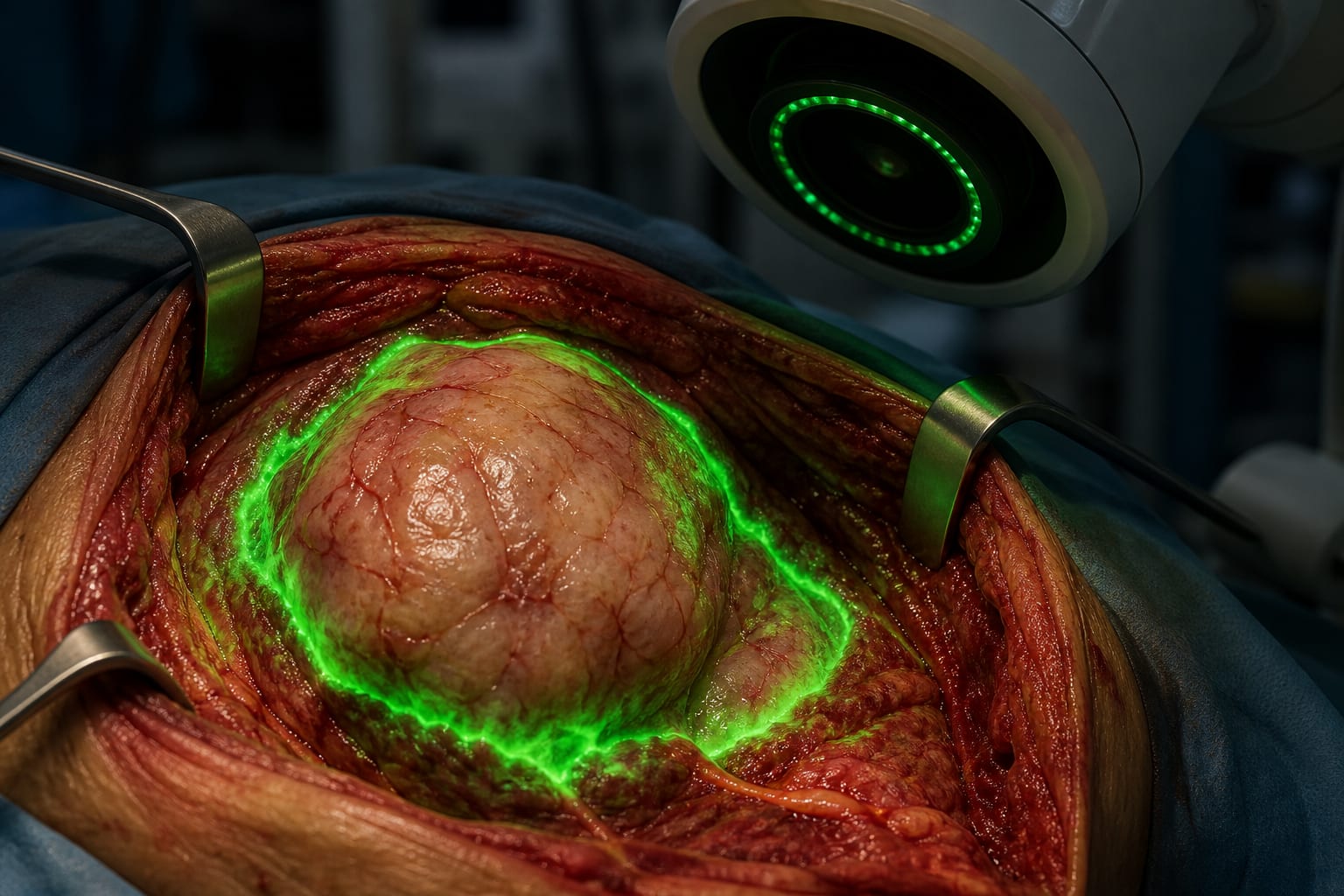
Unraveling mutations in ribosomal proteins linked to cancer: Advancements in the understanding of cancer and ribosome function
-
By
-
Mirsada Čaušević
-
Robbie Loewith
-
Siniša Volarević
-
September 25, 2026
Clinical Report: Unraveling mutations in ribosomal proteins linked to cancer
Background
Ribosomes are essential for protein synthesis and cellular function, with their composition and modifications playing a critical role in regulating translation. Disruptions in ribosomal function have been linked to various diseases, including ribosomopathies, which can lead to developmental abnormalities and increased cancer risk.
Data Highlights
No numerical data available in the source material.
Key Findings
- Ribosomal proteins are active participants in protein synthesis, influencing translation through their composition and interactions.
- Heterozygous loss-of-function variants in ribosomal proteins can lead to ribosomopathies, which paradoxically increase susceptibility to malignancies.
- Mutations in ribosomal protein genes, such as RPS15 and RPL10, are frequently found in hematopoietic malignancies and may produce specialized ribosomes with altered translational properties.
- TP53 inactivation allows cells with ribosomal protein mutations to bypass the ribosomal stress checkpoint, facilitating malignant transformation.
- Research on RPS15 mutations in chronic lymphocytic leukemia suggests these mutations may modify ribosomal activity and promote cancer development.
Clinical Implications
The findings emphasize the need for ongoing research into ribosomal protein mutations as potential biomarkers for cancer susceptibility. Understanding these mutations may inform therapeutic strategies targeting ribosome biogenesis and translational control in cancer treatment.
Conclusion
The relationship between ribosomal protein mutations and cancer highlights a complex interplay that warrants further investigation. Continued exploration of these mechanisms may lead to novel insights and therapeutic approaches in oncology.
Related Resources & Content
- Frontiers in Oncology, 2026 -- From ribosomopathies to therapeutic targets: ribosomal alterations in pediatric leukemogenesis and tumorigenesis
- The Pathologist, 2024 -- Transforming Tumor Testing
- The Analytical Scientist, 2025 -- Transforming Tumor Testing
- Blood Cancer Journal -- TALEN-mediated genetic tailoring as a tool to analyze the function of acquired mutations in multiple myeloma cells
- NCCN GUIDELINES® INSIGHTS -- Myelodysplastic Syndromes
- Diagnosis, treatment, and surveillance of Diamond-Blackfan anaemia syndrome: international consensus statement, 2024
- Cancer Discovery -- First-in-Human RNA Polymerase I Transcription Inhibitor CX-5461 in Patients with Advanced Hematologic Cancers: Results of a Phase I Dose-Escalation Study
- PMC -- Ribosome specialization by cancer-associated ribosomal protein mutations: progress made and open questions
- CE NCCN GUIDELINES® INSIGHTS Myelodysplastic Syndr
- https://crain-platform-precisiononcologynews-prod.s3.amazonaws.com/2025-08/NCCN%20guidelines%20PJS.pdf
- Diagnosis, treatment, and surveillance of Diamond-Blackfan anaemia syndrome: international consensus statement
- First-in-Human RNA Polymerase I Transcription Inhibitor CX-5461 in Patients with Advanced Hematologic Cancers: Results of a Phase I Dose-Escalation Study | Cancer Discovery | American Association for Cancer Research
- Ribosome specialization by cancer-associated ribosomal protein mutations: progress made and open questions - PMC
Based on findings from:
Decoding cancer-associated ribosomal protein mutations: A new frontier in cancer and ribosome biology
Mirsada Čaušević, Robbie Loewith, Siniša Volarević. Hemasphere, 2026.
https://onlinelibrary.wiley.com/doi/10.1002/hem3.70493
This content is an AI-generated, fully rewritten summary based on a published scholarly article. It does not reproduce the original text and is not a substitute for the original publication. Readers are encouraged to consult the source for full context, data, and methodology.