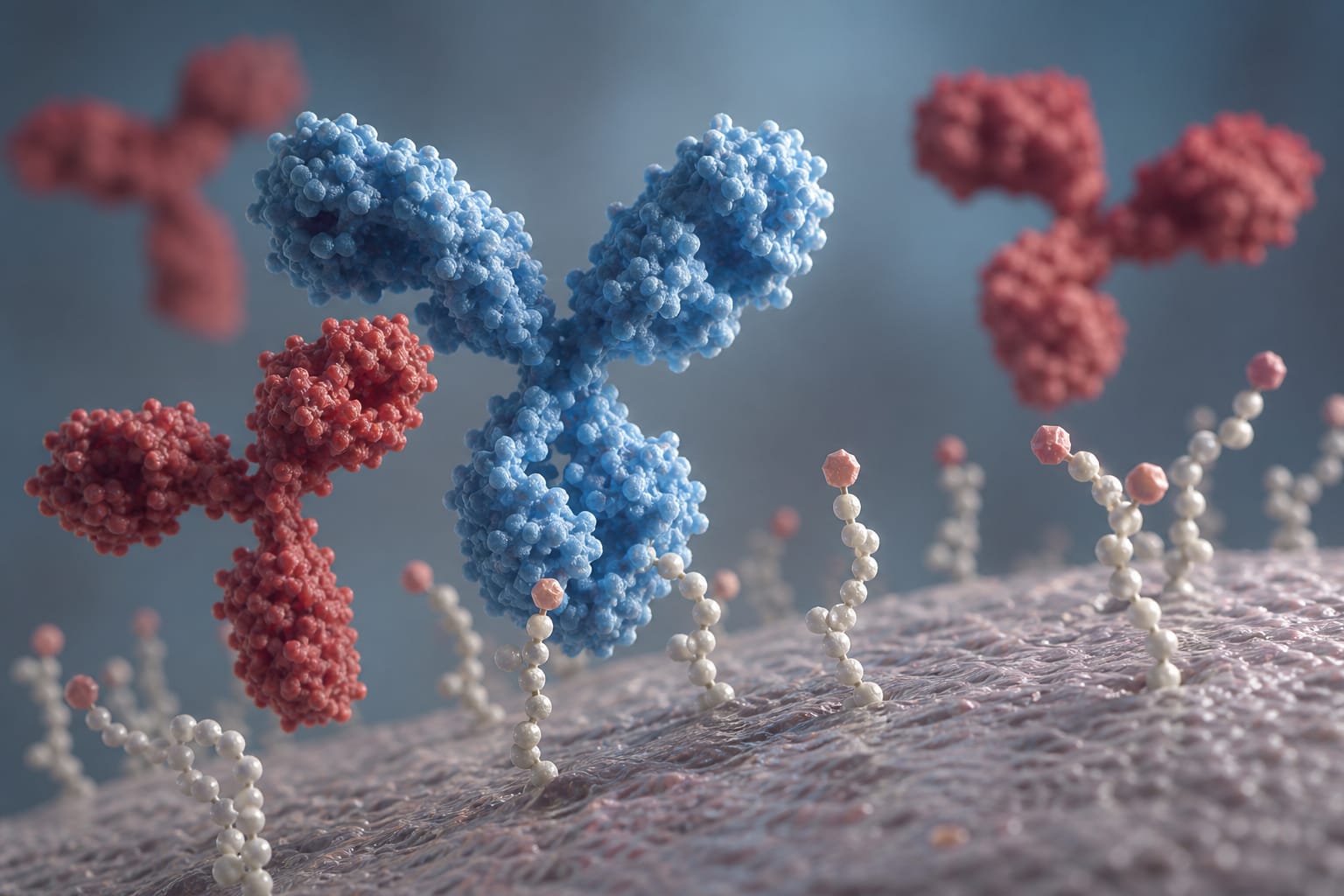
Clinical Report: Spinal Suppurative Infection Caused by Streptomyces morookaense
Overview
This report details a rare case of pyogenic vertebral osteomyelitis caused by Streptomyces morookaense in an immunocompetent elderly woman. The infection was diagnosed through a combination of vertebral biopsy, histopathology, culture, and metagenomic next-generation sequencing.
Background
Streptomyces species are typically known for their role in antibiotic production but are rarely implicated as human pathogens. Spinal infections caused by these organisms are particularly uncommon and can be easily misdiagnosed due to non-specific clinical presentations. Understanding these rare infections is crucial for appropriate diagnosis and treatment, especially in cases where empirical therapies may be ineffective.
Data Highlights
This case report does not contain numerical data or trial data.
Key Findings
Streptomyces morookaense is an exceedingly rare cause of spinal suppurative infections.
The patient was an immunocompetent 66-year-old female with a history of trauma.
Diagnosis was confirmed through vertebral biopsy, culture, and metagenomic next-generation sequencing.
Standardized specimen collection and comprehensive pathogen assessment are critical for accurate diagnosis.
Targeted therapy with piperacillin/tazobactam led to symptom improvement and normalization of inflammatory markers.
Clinical Implications
Healthcare professionals should consider rare pathogens like Streptomyces morookaense in the differential diagnosis of spinal infections, especially in patients with a history of trauma. Employing advanced diagnostic techniques, such as metagenomic sequencing, can enhance pathogen detection in culture-negative cases.
Conclusion
This case underscores the importance of recognizing rare pathogens in spinal infections and highlights the need for thorough diagnostic approaches to avoid misdiagnosis and ensure effective treatment.
Investigators compared intra-articular microbial profiles and predicted metabolic pathways in patients with hip osteoarthritis and nonarthritic controls.