Psychometric assessment of a driving simulation task performed using an immersive virtual reality in cardiovascular rehabilitation: A randomized controlled trial - Report - MDSpire
Advertisement
Psychometric assessment of a driving simulation task performed using an immersive virtual reality in cardiovascular rehabilitation: A randomized controlled trial
Clinical Report: Evaluation of a Driving Simulation Task in Immersive Virtual Reality for Cardiovascular Rehabilitation
Overview
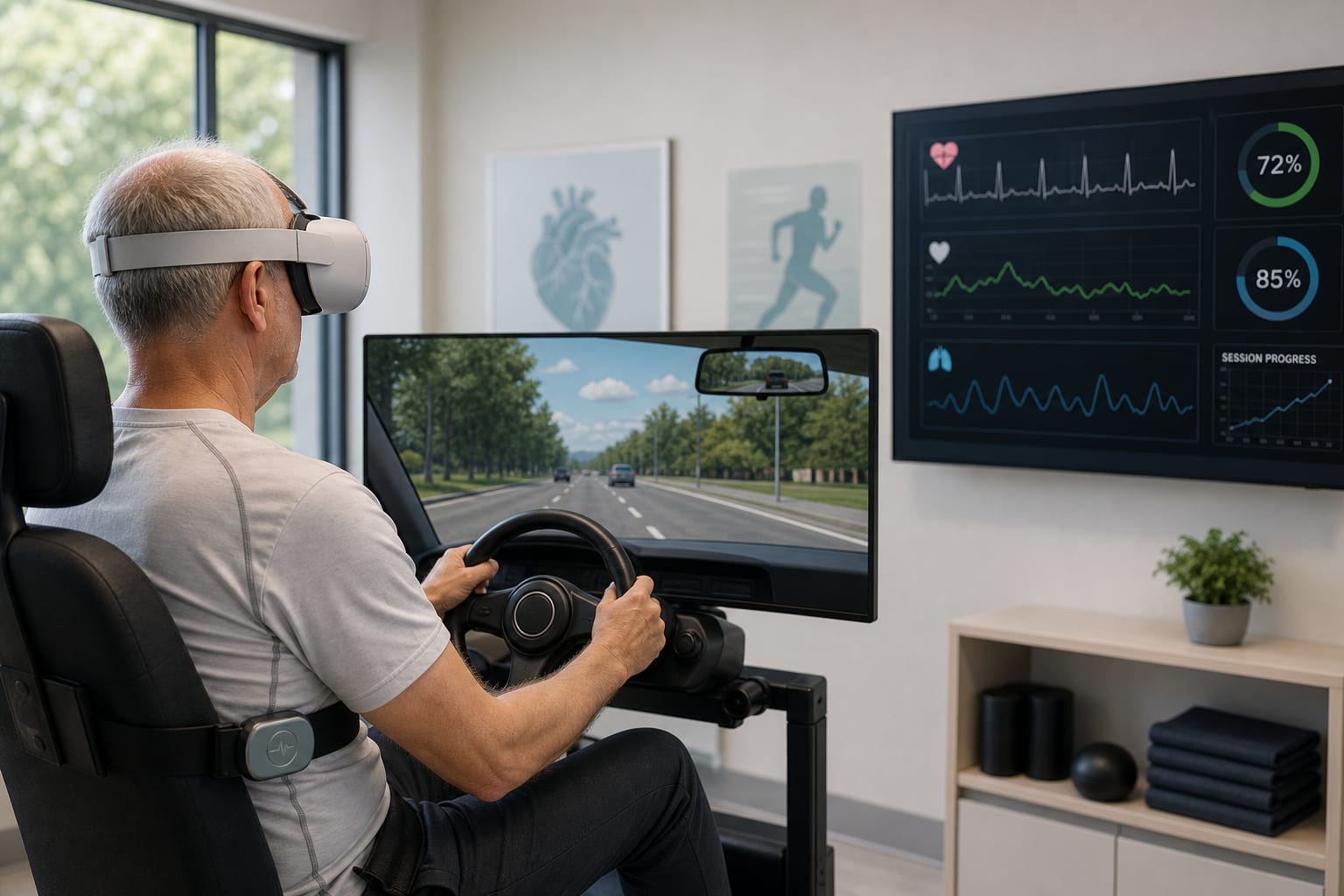
This study evaluates the effectiveness of a driving simulation task in immersive virtual reality (VR) as part of cardiovascular rehabilitation. Results from a randomized controlled trial indicate potential benefits in patient engagement and psychological outcomes, although clinical parameters require further investigation.
Background
Cardiac rehabilitation is essential for improving outcomes in patients with heart disease, focusing on exercise, education, and psychological support. The integration of innovative technologies like VR may enhance patient engagement and adherence to rehabilitation programs. Understanding the role of VR in this context is crucial for optimizing rehabilitation strategies and improving patient quality of life.
Data Highlights
No specific numerical data or trial results were provided in the source material.
Key Findings
Cardiac rehabilitation has evolved to include a multidisciplinary approach for various cardiac conditions.
VR technology has shown promise in enhancing patient motivation and reducing anxiety during rehabilitation.
Current evidence suggests VR may improve psychological outcomes but lacks clarity on its impact on clinical parameters.
Cybersickness is a potential side effect of VR, affecting some users, particularly those with vestibular sensitivities.
Recent advancements in VR technology may reduce discomfort and improve accessibility for long-term rehabilitation.
Clinical Implications
Healthcare professionals should consider incorporating VR into cardiac rehabilitation programs to enhance patient engagement and psychological well-being. However, further research is needed to clarify the effects of VR on clinical outcomes.
Conclusion
The use of immersive VR in cardiovascular rehabilitation presents a novel approach that may improve patient engagement and psychological outcomes, warranting further investigation into its clinical efficacy.