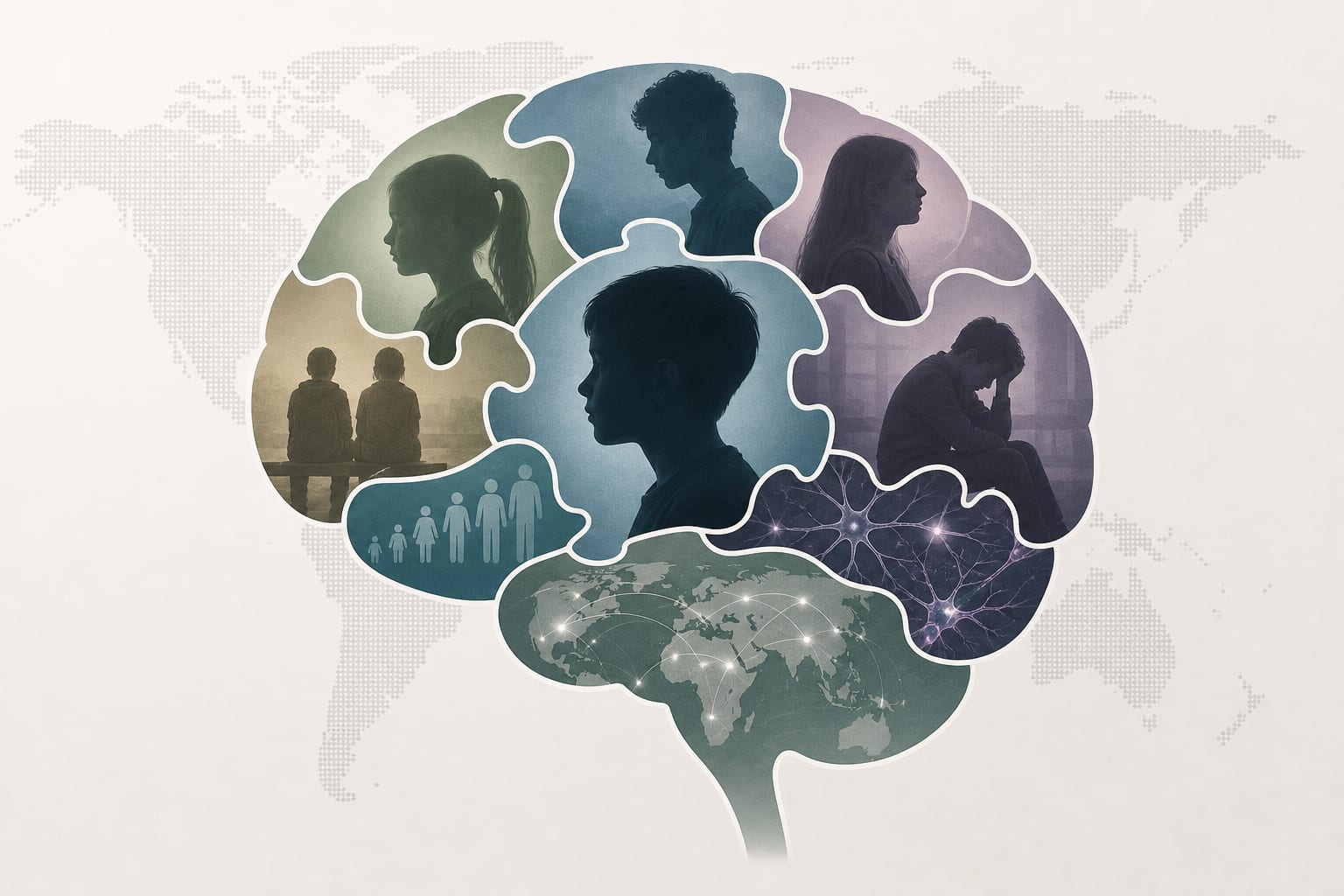
Clinical Report: The Present Landscape and Obstacles of AI Utilization in Addressing Emotional and Attention Issues in Children
Background
The integration of AI technologies in mental health research for children under twelve is gaining traction, as these tools can provide objective assessments of emotional and psychological states. Understanding the capabilities and limitations of AI in this context is essential for advancing mental health support for children.
Data Highlights
No specific numerical data or trial results were provided in the source material.
Key Findings
AI technologies can assist in identifying psychological risk patterns in children.
Methods such as voice recognition and facial expression analysis can capture emotional fluctuations.
AI systems may support personalized treatment planning by tracking emotional trends.
Current AI applications in mental health require validation and oversight by clinical professionals.
Quality of datasets and cultural factors can influence the accuracy of AI assessments.
Clinical Implications
Mental health professionals may consider integrating AI tools to enhance the assessment and monitoring of children's emotional states, while ensuring clinical judgment and oversight.
Conclusion
Further research is needed to validate the effectiveness of AI in clinical settings for identifying and treating emotional and attention issues in children.