Clinical Report: Molecular Features and Progress in Targeted Therapies for HR-Positive, HER2-Low Breast Cancer
Overview
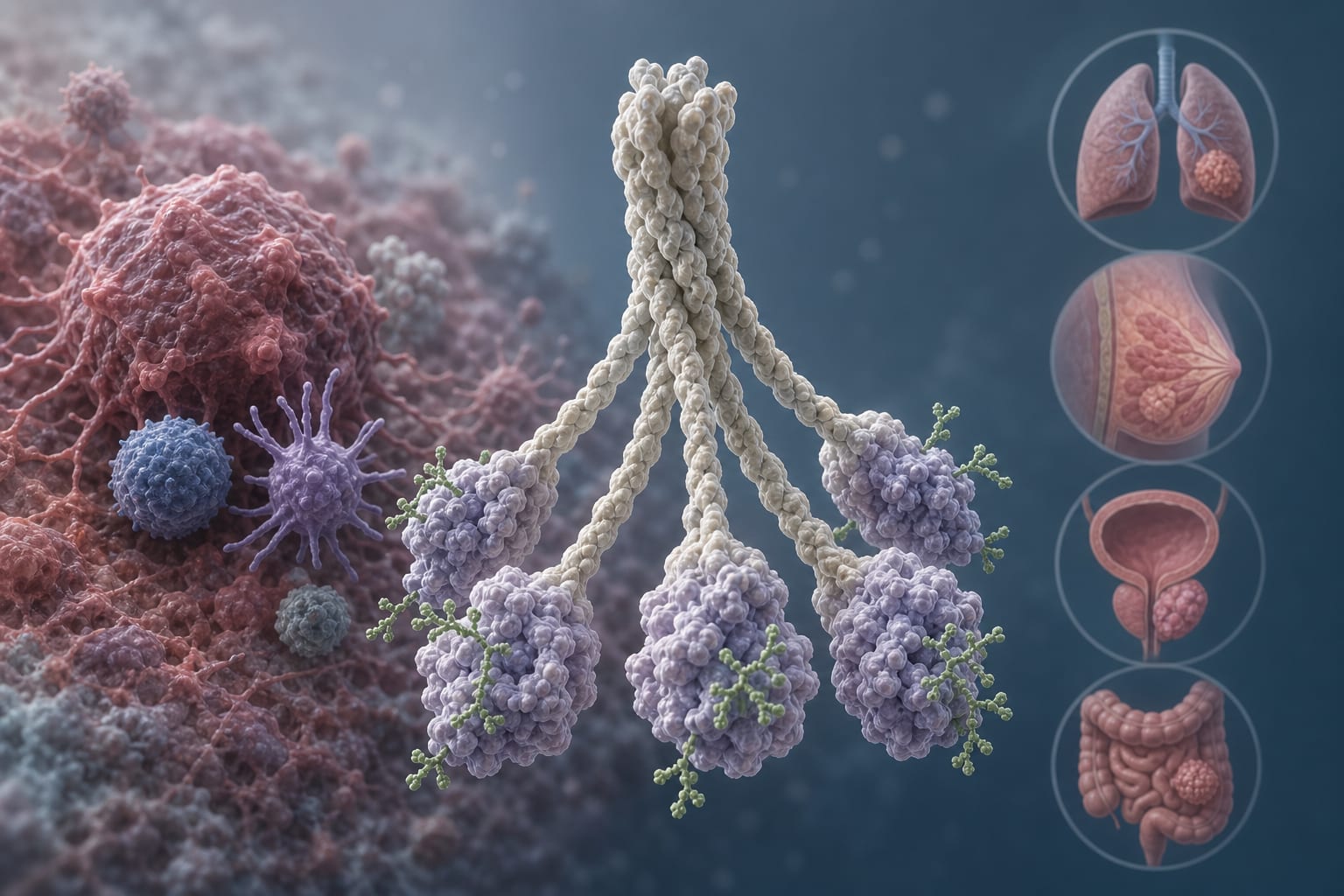
HR-positive HER2-low-expressing breast cancer represents a significant subtype, accounting for nearly 60% of breast cancer cases. This report discusses advancements in diagnostic technologies and treatment strategies.
Background
Breast cancer remains the most prevalent malignant tumor among women globally, with increasing incidence rates. The evolution of HER2 classification from a binary system to include HER2-low expression has implications for diagnosis and treatment.
Data Highlights
No numerical data available in the source material.
Key Findings
HR-positive HER2-low breast cancer accounts for nearly 60% of breast cancer cases.
This subtype is characterized by the dominance of the estrogen receptor pathway and low HER2 expression.
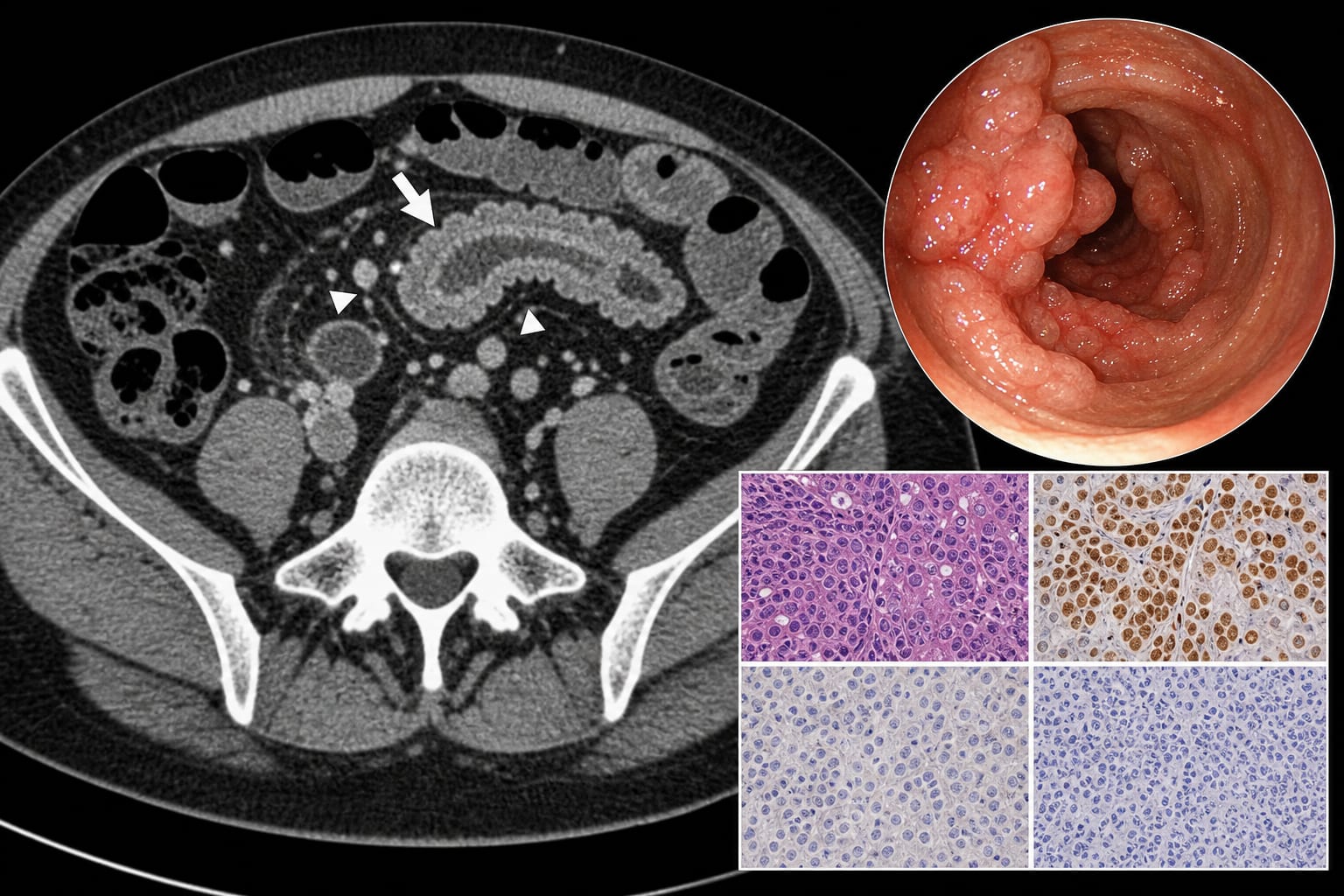
Immunohistochemistry and fluorescence in situ hybridization are standard methods for HER2 status assessment.
Trastuzumab deruxtecan has shown significant efficacy in HER2-low breast cancer.
Endocrine therapy remains the cornerstone of treatment, with CDK4/6 inhibitors as the standard for advanced first-line therapy.
Future research should focus on new biomarkers and optimizing combination therapy strategies.
Clinical Implications
The shift towards recognizing HER2-low expression necessitates updated diagnostic protocols and treatment strategies. Clinicians should consider the integration of new therapies like trastuzumab deruxtecan in managing HR-positive HER2-low breast cancer.
Conclusion
HR-positive HER2-low breast cancer has entered an era of personalized treatment guided by molecular characteristics, highlighting the need for ongoing research and clinical adaptation.