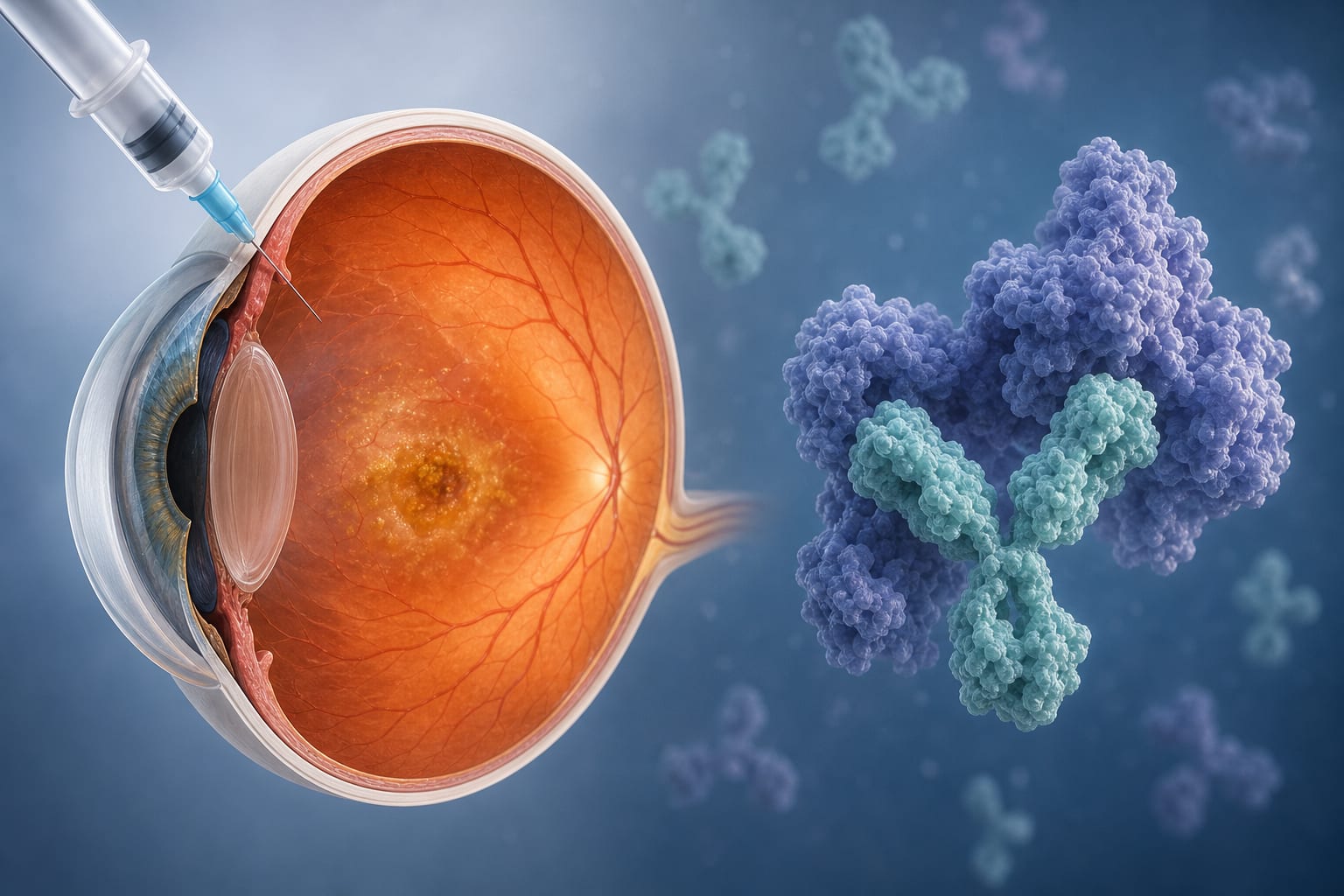
Impact of High-Altitude Conditions on Vogt-Koyanagi-Harada Syndrome: A Case Study
-
By
-
Qihang Lei
-
Xiangli Wang
-
Qin Liu
-
December 23, 2025
Impact of High-Altitude Conditions on Vogt-Koyanagi-Harada Syndrome
Overview
This case study highlights the exacerbation of Vogt-Koyanagi-Harada (VKH) syndrome symptoms following exposure to high-altitude conditions. A 31-year-old female developed acute bilateral uveitis and retinal detachment after traveling to Lhasa, Tibet (3,650 m), with subsequent improvement following corticosteroid therapy.
Background
Vogt-Koyanagi-Harada syndrome is a rare autoimmune disorder affecting melanocyte-containing tissues such as the eyes, skin, ears, and central nervous system. It progresses through prodromal, uveitic, convalescent, and chronic recurrent phases, with ocular involvement being the most prominent. High-altitude environments, characterized by hypoxia and increased ultraviolet radiation, can exacerbate ocular inflammation and complications in VKH patients. High-altitude retinopathy is a known risk factor that may worsen VKH manifestations, making altitude exposure a significant clinical concern.
Data Highlights
| Parameter | Initial Value | After 10 Days Treatment | Follow-up (1-2 Months) |
|---|---|---|---|
| Visual Acuity (Right Eye) | 0.12 | 0.4 | 0.5 |
| Visual Acuity (Left Eye) | 0.08 | 0.3 | 0.4 |
| Intraocular Pressure (Right Eye) | 11 mmHg | 12 mmHg | Normalized |
| Intraocular Pressure (Left Eye) | 11 mmHg | 14 mmHg | Normalized |
Key Findings
- Exposure to high altitude (3,650 m) preceded acute onset of bilateral blurred vision, eye pain, conjunctival injection, and retinal detachment in a VKH patient.
- Clinical examination confirmed bilateral diffuse uveitis with exudative retinal detachment and skin hyperpigmentation consistent with VKH syndrome in the uveitic phase.
- High-dose intravenous methylprednisolone led to significant improvement in anterior segment inflammation and visual acuity within 10 days.
- Follow-up showed continued visual improvement and normalization of intraocular pressure, indicating effective disease control.
- High-altitude factors such as hypoxia and increased ultraviolet radiation likely exacerbated immune-mediated ocular inflammation in VKH.
- Patients with VKH are advised to avoid high-altitude exposure above 2,500 m to prevent disease exacerbation.
Clinical Implications
Clinicians should recognize that high-altitude environments can trigger or worsen VKH syndrome manifestations, particularly ocular inflammation and retinal complications. Prompt diagnosis and aggressive corticosteroid therapy are essential to control inflammation and preserve vision. Preventive counseling against high-altitude travel is recommended for VKH patients in both active and remission phases.
Conclusion
This case underscores the significant impact of high-altitude conditions on VKH syndrome, highlighting the need for awareness of environmental triggers in disease management. Avoidance of high-altitude exposure and timely immunosuppressive treatment are critical to improving patient outcomes.
Related Resources & Content
- 1 -- VKH Syndrome Clinical Phases and Pathophysiology
- 2 -- High-Altitude Retinopathy and Ocular Effects
- 3 -- Multisystem Involvement in VKH Syndrome
- 4 -- Ultraviolet Radiation and Autoimmune Activation in VKH
Based on findings from:
Impact of High-Altitude Conditions on Vogt-Koyanagi-Harada Syndrome: A Case Study
Qihang Lei, Xiangli Wang, Qin Liu. Bmc Ophthalmology, 2025.
https://link.springer.com/article/10.1186/s12886-025-04562-2
This content is an AI-generated, fully rewritten summary based on a published scholarly article. It does not reproduce the original text and is not a substitute for the original publication. Readers are encouraged to consult the source for full context, data, and methodology.