Clinical Report: Machine Learning Innovations in Radiopharmaceuticals
Overview
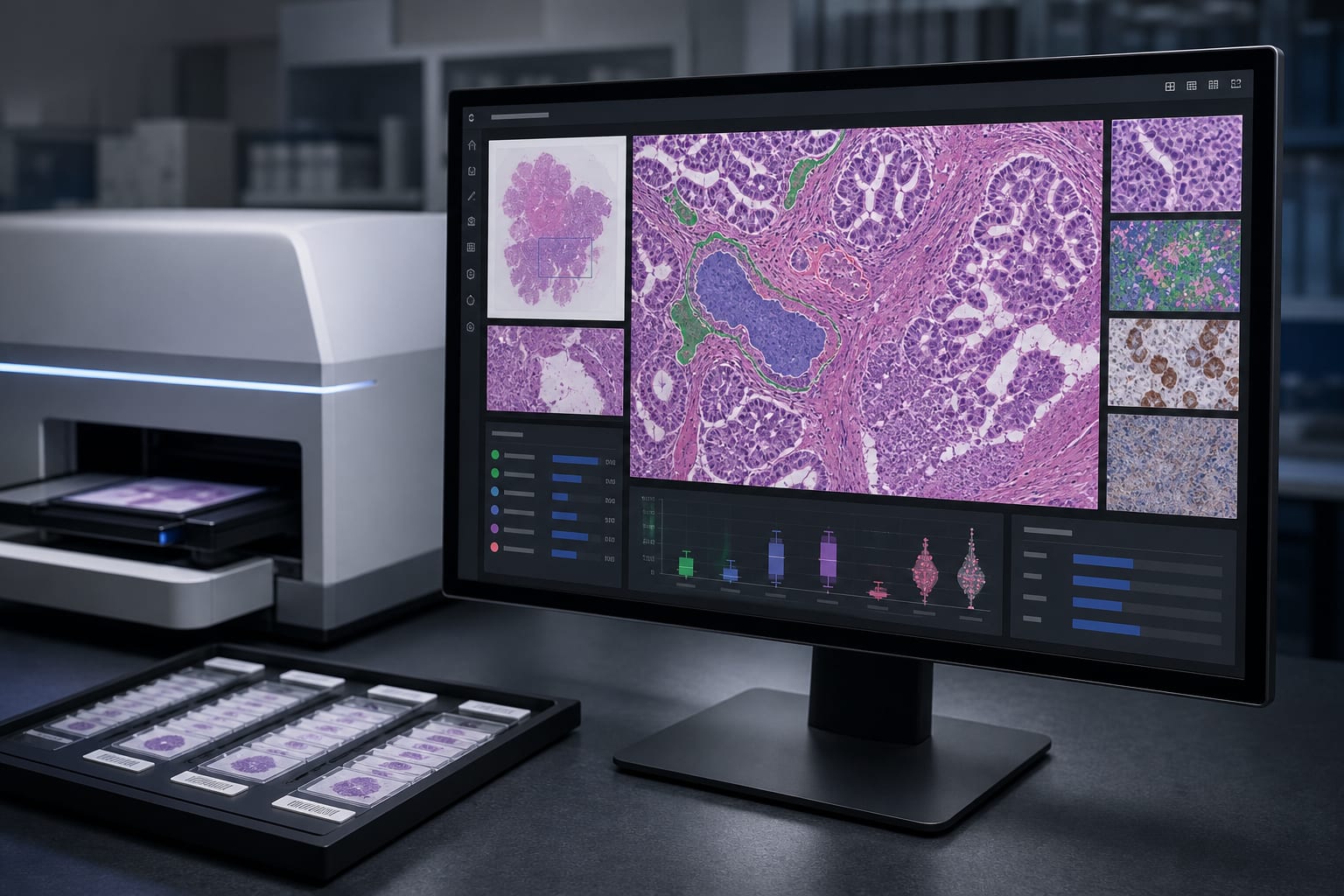
Recent advancements in machine learning are enhancing the development of radiopharmaceuticals. These innovations may improve the identification of novel drug candidates and optimize dosimetry calculations.
Background
Radiopharmaceutical therapy represents a significant advancement in oncology, offering targeted treatment options that can minimize damage to healthy tissues. With 67 radiopharmaceuticals currently approved, the integration of AI technologies could address existing limitations in safety and efficacy.
Data Highlights
No numerical data available in the source material.
Key Findings
Radiopharmaceutical therapy can provide targeted treatment for certain cancers, reducing radiation exposure to healthy tissues.
Deep learning and generative AI models can expedite the identification of novel targets and the engineering of stable radiopharmaceuticals.
The lack of standardized, high-quality data limits the clinical adoption of AI frameworks in radiopharmaceutical development.
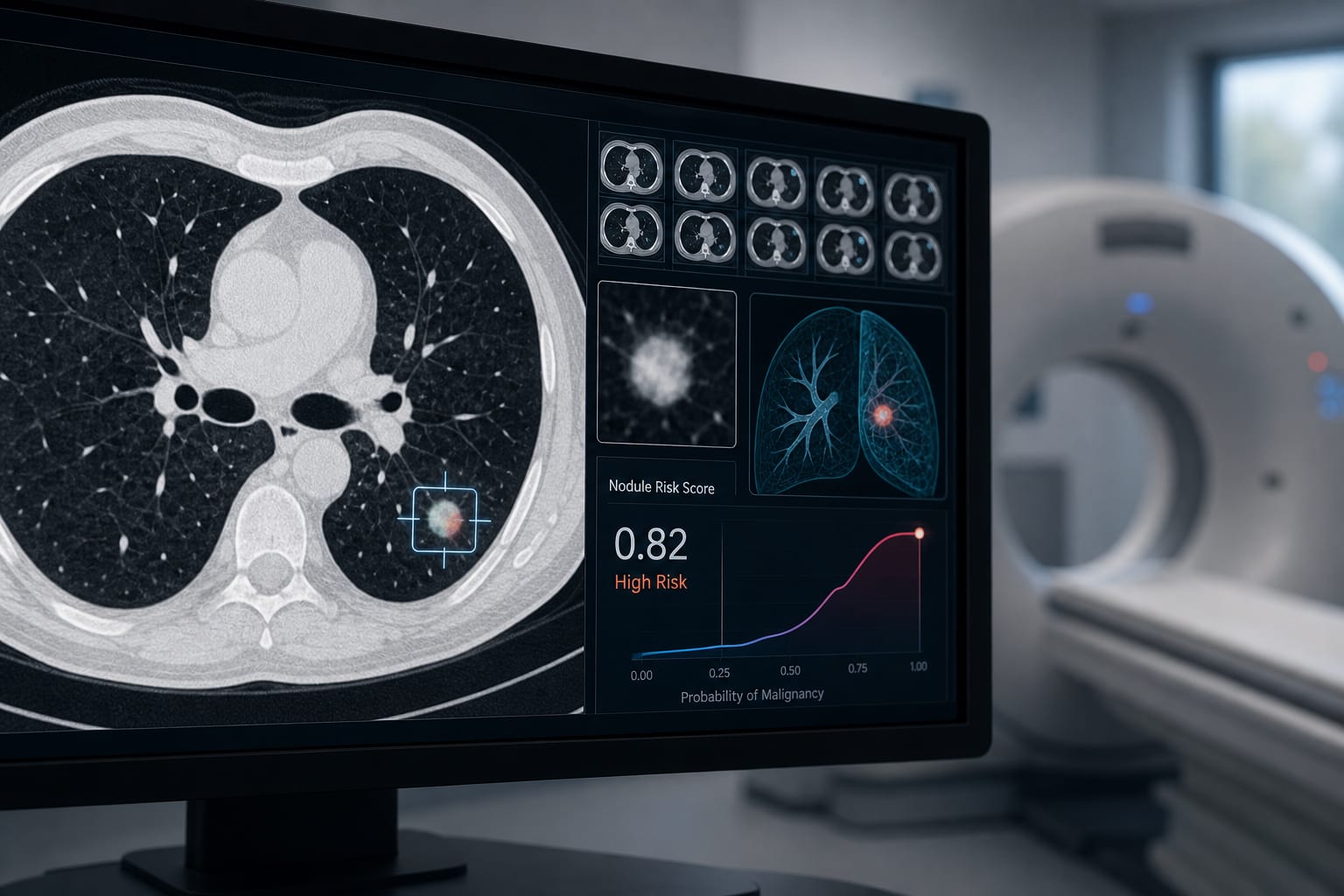
AI technologies, such as 3D convolutional neural networks, can enhance the precision of dosimetry calculations for radiopharmaceutical therapy.
Generative adversarial networks can assist in designing drug structures that improve binding to targets and stability during decay.
Clinical Implications
Understanding the limitations of current data quality is crucial for effective implementation in clinical settings.
Conclusion
The integration of machine learning in radiopharmaceutical development requires addressing challenges related to data quality and standardization.