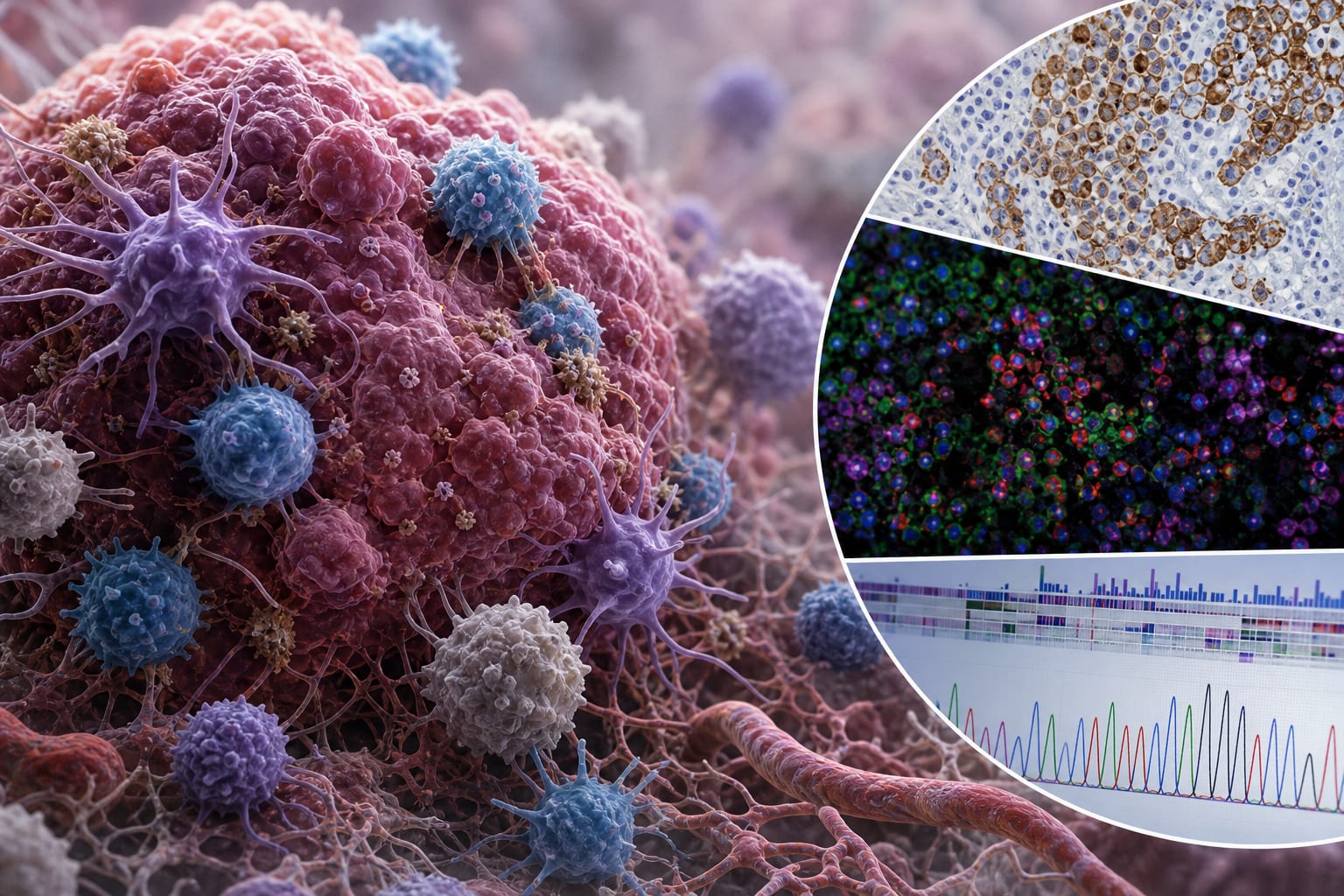
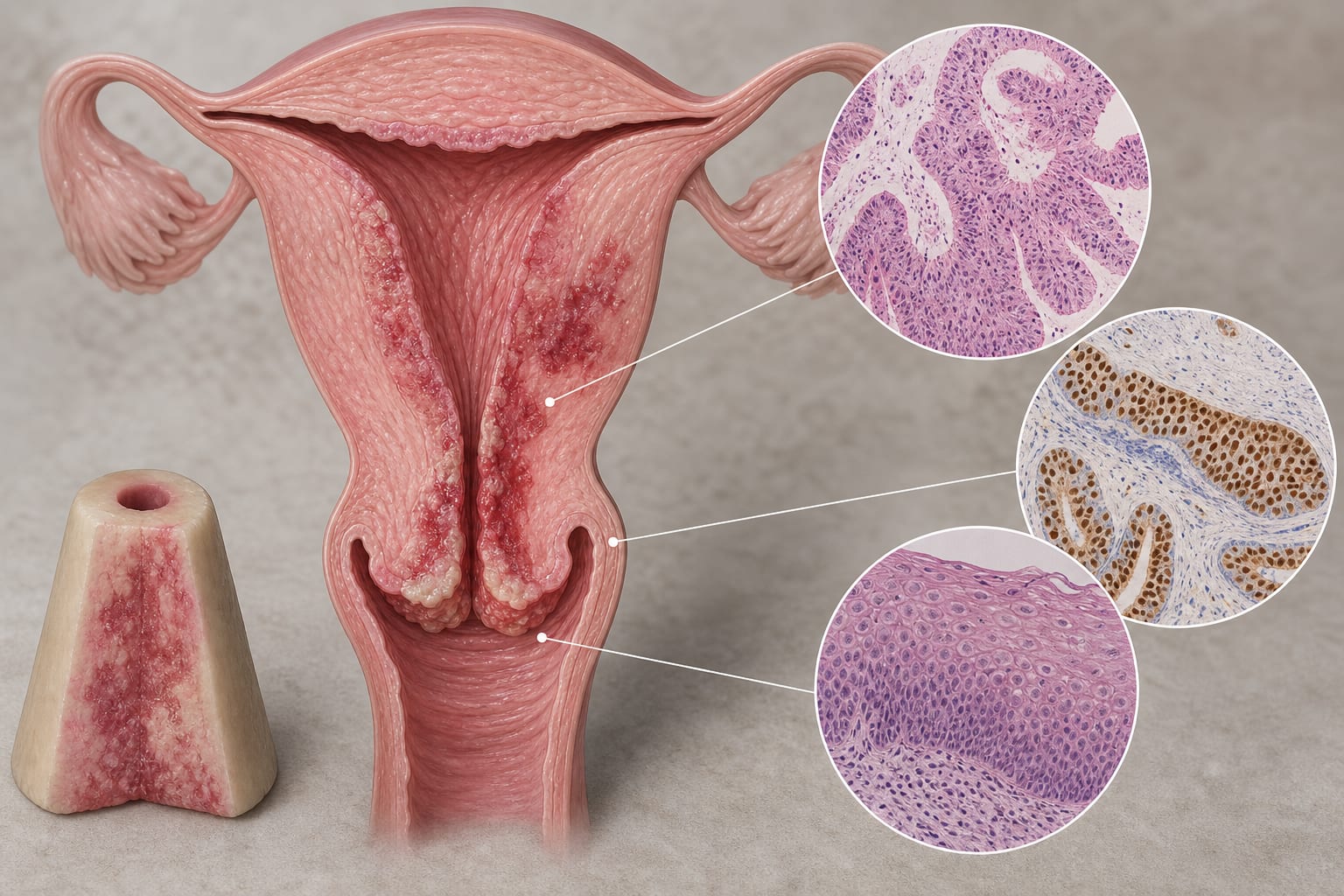
Clinical Report: Advancements in Immunological Diagnostics and Treatments for Skin and Breast Cancer
Overview
Remove unsupported claims about the need for biomarkers to evolve into actionable tools.
Background
The exploration of immune-related biomarkers is crucial in the context of skin and breast cancers, particularly given the limitations of current therapies and the complexity of tumor-immune interactions. Understanding these biomarkers can lead to improved treatment selection and patient outcomes, especially in cancers like melanoma, breast cancer, and Merkel cell carcinoma, which exhibit varying responses to immunotherapy.
Data Highlights
No specific numerical data or trial results were provided in the source material.
Key Findings
CTLA-4 and PD-1/PD-L1 inhibitors have significantly improved survival in advanced melanoma.
Resistance and immune-related toxicity remain major challenges in immunotherapy.
Biomarkers must transition from association to actionable clinical decision-making tools.
Systemic inflammatory indices correlate with treatment outcomes in breast cancer.
Emerging biomarkers like SUMOylation and Hedgehog signaling may influence tumor immune responses.
Clinical Implications
Remove unsupported recommendations about integrating biomarkers into clinical practice.
Conclusion
The advancement of immune-related biomarkers is essential for optimizing immunotherapy in skin and breast cancers, with the potential to transform clinical outcomes through more personalized treatment approaches.