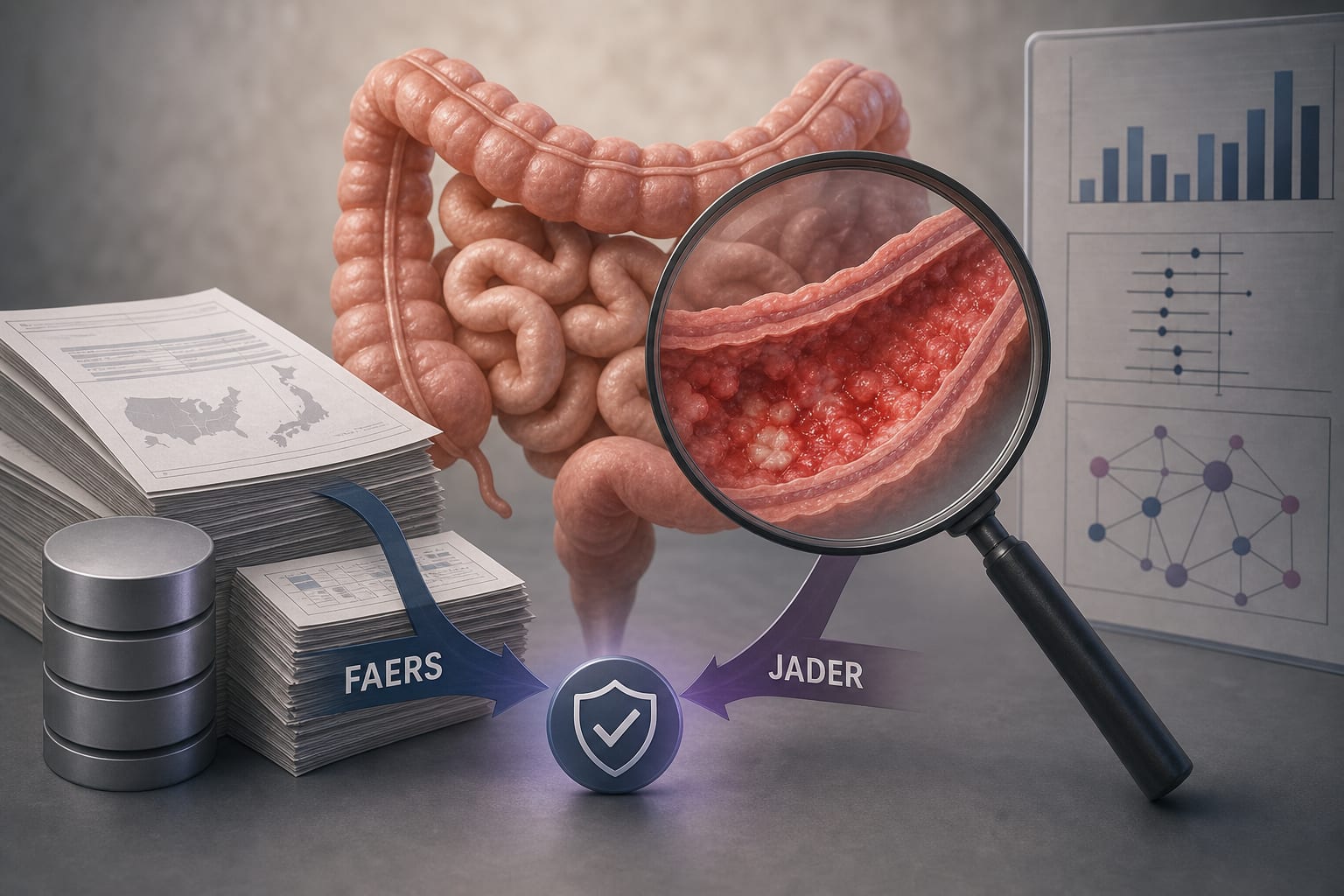
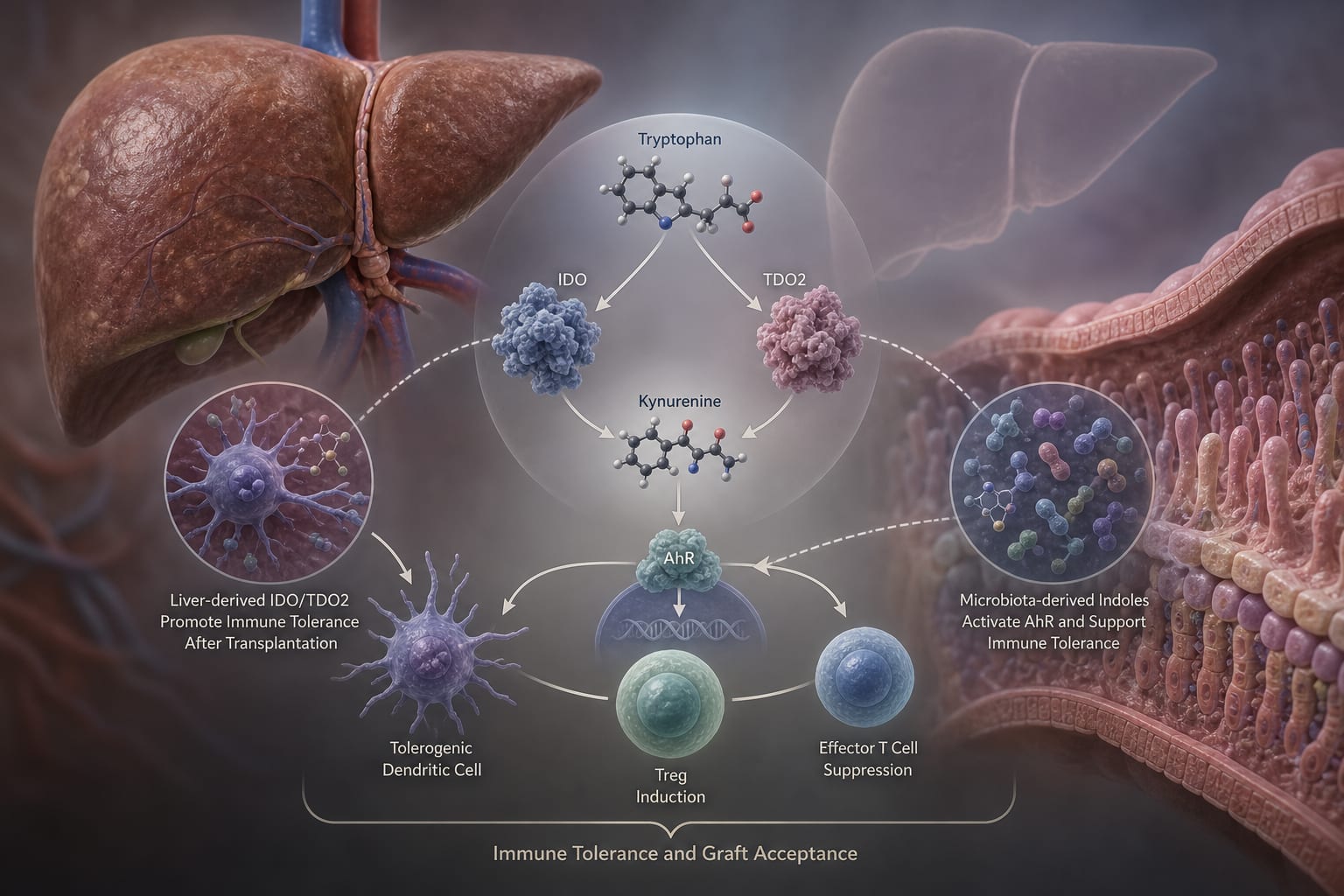
Clinical Report: The Interconnected Roles of the Gut, Liver, Kidneys, and Brain in Wilson Disease
Overview
Revise to include specific references to the source material regarding copper speciation.
Background
Remove unsupported claims about developing interventions and improving outcomes.
Data Highlights
No numerical data or trial data presented in the article.
Key Findings
Wilson disease is not solely a liver disease; it involves significant interactions among multiple organs.
Marked phenotypic heterogeneity in WD can lead to varied clinical presentations, including neuropsychiatric symptoms.
Copper-induced suppression of autophagy and disruption of bile acid signaling are key pathogenic processes.
Gut dysbiosis exacerbates hepatic inflammation and copper retention, as shown in studies with ATP7B-deficient mice.
Emerging biomarkers, such as relative exchangeable copper (REC), are being utilized for diagnosis and monitoring treatment.
Therapeutic strategies are evolving beyond chelation to include biliary copper excretion and microbiome-directed interventions.
Clinical Implications
The recognition of Wilson disease as a multi-organ disorder necessitates a comprehensive approach to diagnosis and treatment. Clinicians should consider the role of copper speciation and the gut-liver-kidney-brain axis in managing patients with WD.
Conclusion
A shift in understanding Wilson disease as a complex interplay among multiple organs can lead to more precise interventions and improved patient care.