Creating a Fusion Model Combining Carotid Ultrasound Radiomics and Semantic Analysis for Aortic Dissection Detection: A Retrospective Study Across Two Centers - Report - MDSpire
Advertisement
Creating a Fusion Model Combining Carotid Ultrasound Radiomics and Semantic Analysis for Aortic Dissection Detection: A Retrospective Study Across Two Centers
Clinical Report: Creating a Fusion Model for Aortic Dissection Detection
Overview
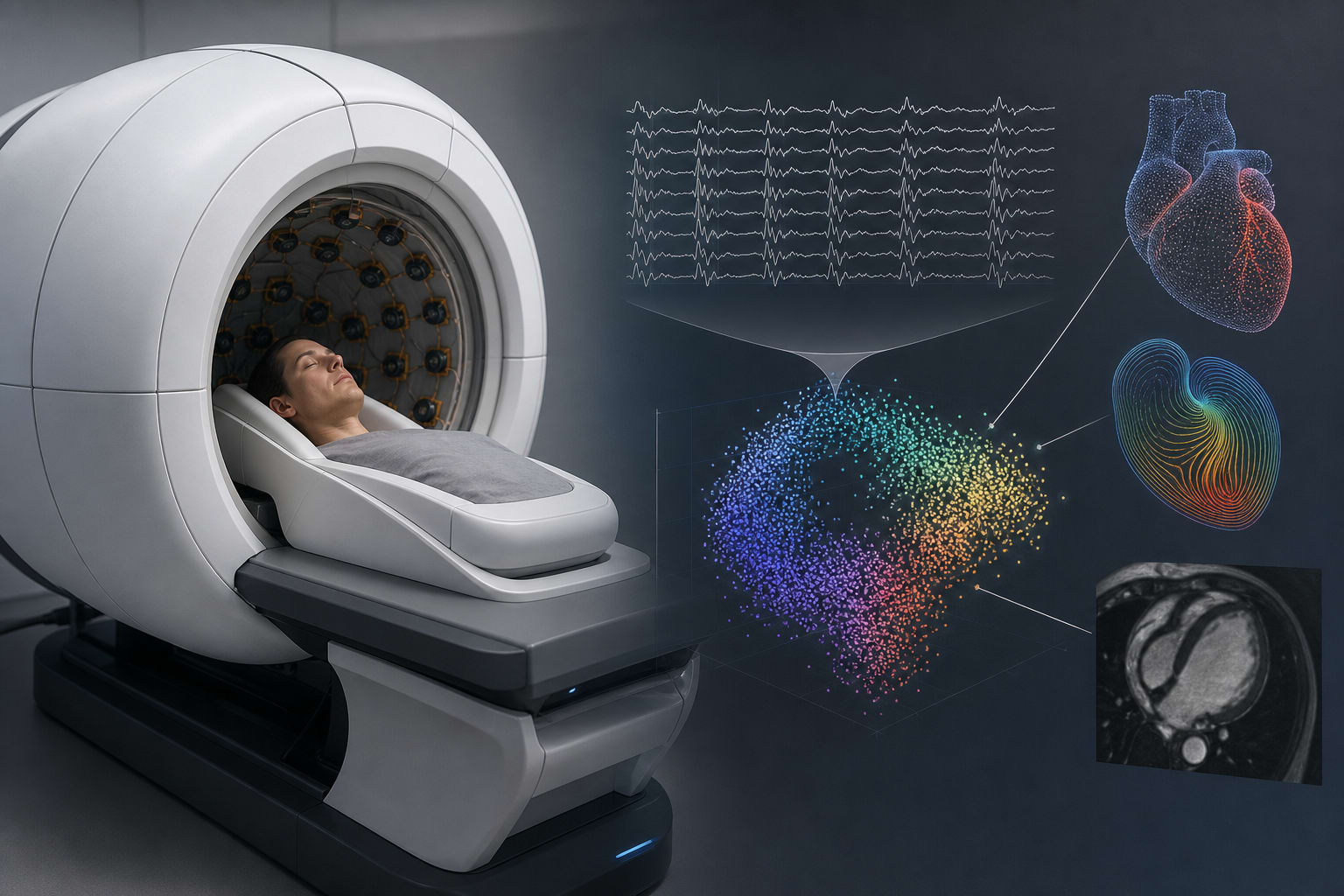
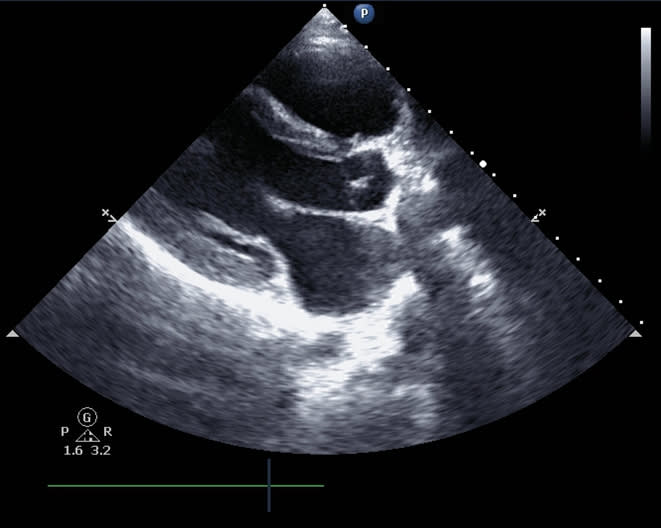
This study developed a fusion model combining carotid ultrasound radiomics and semantic analysis to enhance the detection of aortic dissection (AD). The fusion model demonstrated superior diagnostic performance compared to individual models, indicating its potential utility in clinical settings.
Background
Aortic dissection is a critical cardiovascular emergency with high mortality rates, necessitating rapid and accurate diagnosis. Current diagnostic methods are limited, and early identification is crucial for improving patient outcomes. This study explores innovative approaches to enhance diagnostic accuracy using advanced imaging techniques.
Data Highlights
Model
Training AUC
Test AUC
Validation AUC
Semantic Model
0.73
0.73
0.71
Radiomic Model
0.84
0.87
0.81
Fusion Model
0.94
0.93
0.91
Key Findings
The fusion model achieved an AUC of 0.94 in the training set, outperforming both the semantic and radiomic models.
Significant differences in diagnostic performance were noted between the fusion model and the other models (p < 0.05).
In the external validation set, the fusion model maintained a high AUC of 0.91.
The fusion model also demonstrated superior performance across multiple evaluation metrics, including accuracy and sensitivity.
Carotid ultrasound radiomics and semantic features are valuable for distinguishing AD from non-AD participants.
Clinical Implications
The findings suggest that integrating carotid ultrasound radiomics with semantic analysis can significantly enhance the diagnostic accuracy for aortic dissection. This fusion model may facilitate earlier detection and intervention, potentially improving patient outcomes in emergency settings.
Conclusion
The study underscores the importance of innovative diagnostic models in the timely identification of aortic dissection. Future prospective multicenter studies are warranted to evaluate the clinical utility of the fusion model in real-world scenarios.