Steroid-related mechanisms in ocular health and disease: therapeutic effects, adverse events, and stress-related modulators. A narrative literature overview - Report - MDSpire
Conexiant’s news site is now MDSpire News. Learn more
Advertisement
Mechanisms of Steroid Impact on Eye Health and Disease: Therapeutic Benefits, Side Effects, and Stress-Related Influencers - A Comprehensive Literature Review
Clinical Report: Mechanisms of Steroid Impact on Eye Health and Disease
Overview
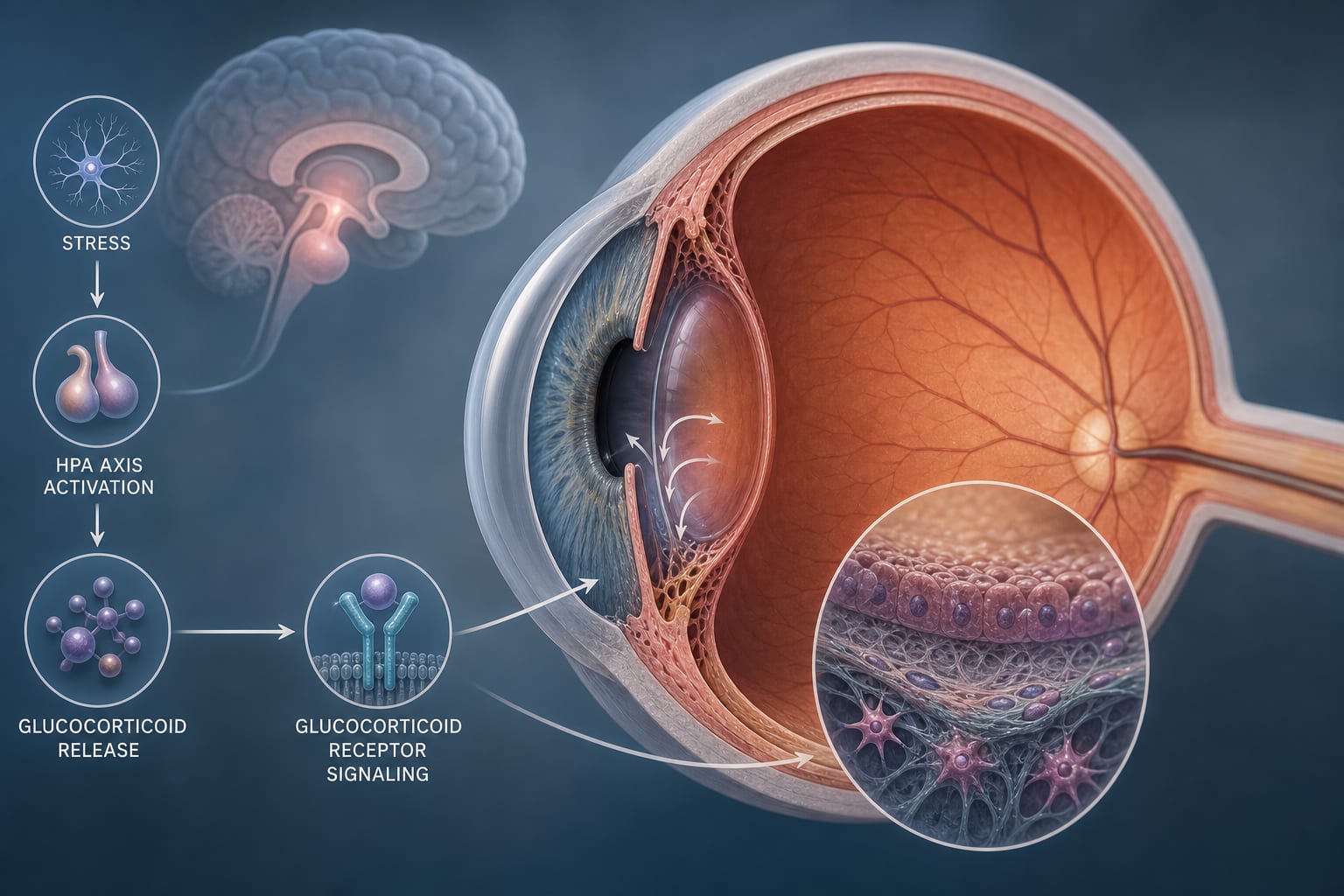
This literature review explores the relationship between stress-related neuroendocrine dysregulation and ocular health, emphasizing glucocorticoid signaling in ocular disease management.
Background
Understanding the impact of stress on ocular health is crucial as it influences various ocular diseases, including glaucoma and central serous chorioretinopathy. Glucocorticoids are essential in managing inflammatory ocular conditions, but their use can lead to significant adverse effects.
Data Highlights
No numerical data available in the source material.
Key Findings
Activation of the HPA axis and sympathetic nervous system affects ocular homeostasis.
Stress-related neuroendocrine dysregulation is linked to glaucoma and ocular surface disease.
Glucocorticoids are vital for treating inflammatory ocular diseases but can cause ocular hypertension and cataract formation.
Chronobiological factors may influence treatment efficacy and safety in ocular therapies.
Psychosocial stress impacts treatment adherence and quality of life in patients with chronic ocular conditions.
Clinical Implications
Clinicians should consider the effects of stress on ocular health when managing patients with ocular diseases.
Conclusion
The review emphasizes the complex interactions between stress, glucocorticoid signaling, and ocular health.