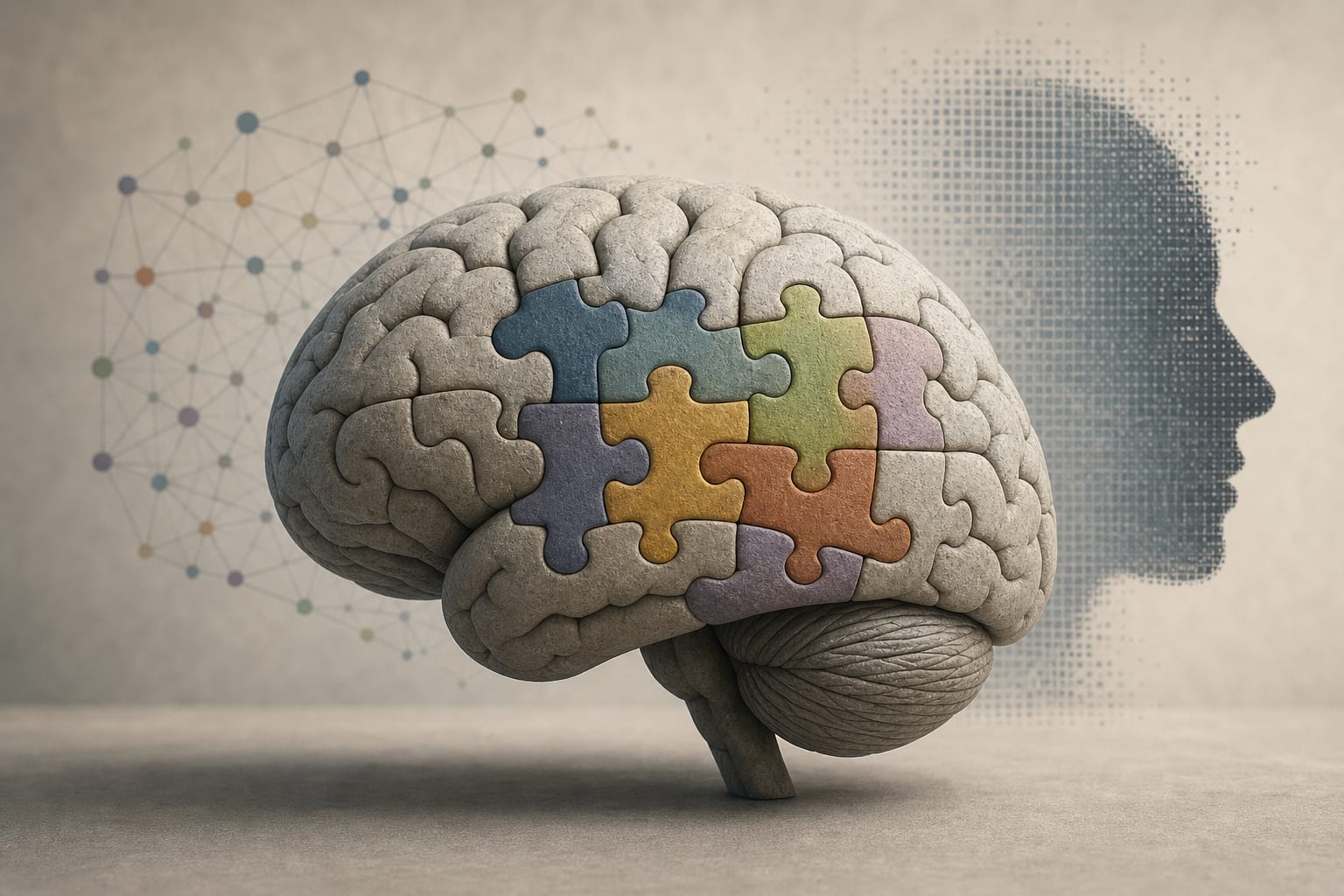
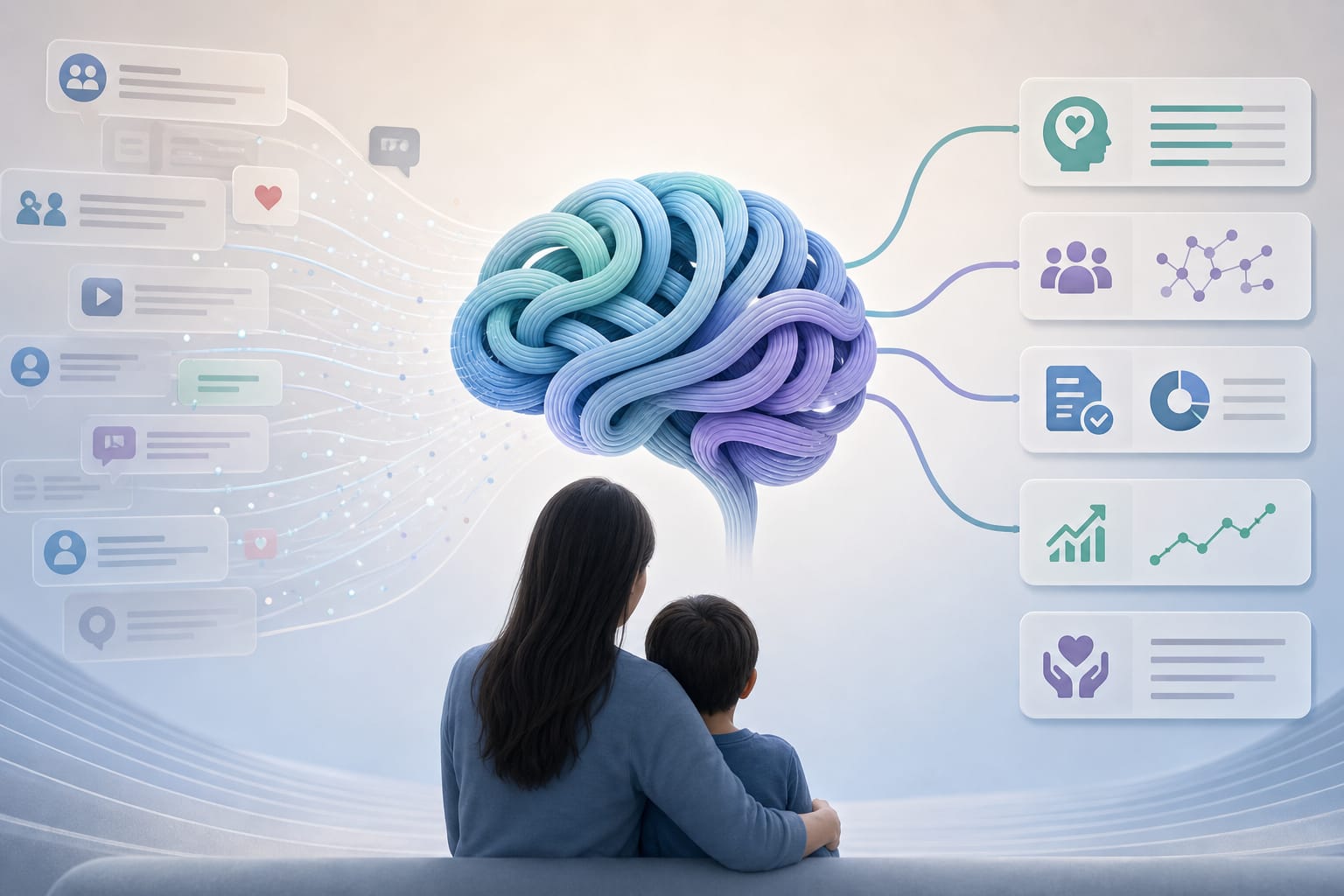
Avoiding Self-Deception: Insights from Feynman on Neurodiversity and the Integrity of AI in Digital Mental Health
-
By
-
David Ruttenberg
-
July 14, 2026
Clinical Report: Insights on AI Integrity in Digital Mental Health
Background
The integration of artificial intelligence in digital mental health is rapidly evolving, yet ethical frameworks have not kept pace with these advancements. AI tools increasingly influence patient care and treatment outcomes.
Data Highlights
No numerical or trial data was provided in the source material.
Key Findings
- AI systems in mental health must disclose their limitations and the populations for which they have been validated.
- Existing ethical frameworks emphasize principles like autonomy and justice but lack a focus on candour regarding AI capabilities.
- Neurodivergent users may be misrepresented by AI tools trained on narrow behavioral norms.
- The proposed Feynman Honesty Standard includes criteria such as scope clarity and uncertainty communication.
- A research agenda is suggested to address the ethical deployment of AI in mental health.
Clinical Implications
Transparency in AI systems is essential to mitigate risks associated with misrepresentation of neurodivergent populations.
Conclusion
The ethical deployment of AI in digital mental health requires transparency about system capabilities and limitations.
Related Resources & Content
- Frontiers in Psychiatry, 2026 -- The Role of Human-Computer Interaction and Human Factors in the Future of Digital Therapeutics for Mental Health
- Journal of Medical Internet Research (JMIR), 2026 -- You Can’t Launch This: Trust as Infrastructure in Digital Behavioral Health
- Journal of Medical Internet Research (JMIR), 2026 -- Backcasting the Trust Gap: A Strategic Road Map for Clinician Adoption of AI Diagnostics by 2040
- npj Digital Medicine, 2026 -- Reclaiming informed consent to train mental health AI with patient data
- World Health Organization, 2024 -- Ethics and governance of artificial intelligence for health: Guidance on large multi-modal models
- Randomized Trial of a Generative AI Chatbot for Mental Health Treatment, 2025
- Machine learning algorithms and their predictive accuracy for suicide and self-harm: Systematic review and meta-analysis, PLOS Medicine
- Ethics and governance of artificial intelligence for health: Guidance on large multi-modal models
- Randomized Trial of a Generative AI Chatbot for Mental Health Treatment
- Machine learning algorithms and their predictive accuracy for suicide and self-harm: Systematic review and meta-analysis | PLOS Medicine
Based on findings from:
You must not fool yourself: Feynman, neurodiversity, and honest AI in digital mental health
David Ruttenberg. Frontiers In Digital Health, 2026.
https://www.frontiersin.org/journals/digital-health/articles/10.3389/fdgth.2026.1819411/full
This content is an AI-generated, fully rewritten summary based on a published scholarly article. It does not reproduce the original text and is not a substitute for the original publication. Readers are encouraged to consult the source for full context, data, and methodology.