Acute glucose stimulation drives coordinated translational reprogramming in primary pancreatic islets: from global remodeling to fine-tuned insulin synthesis - Report - MDSpire
Advertisement
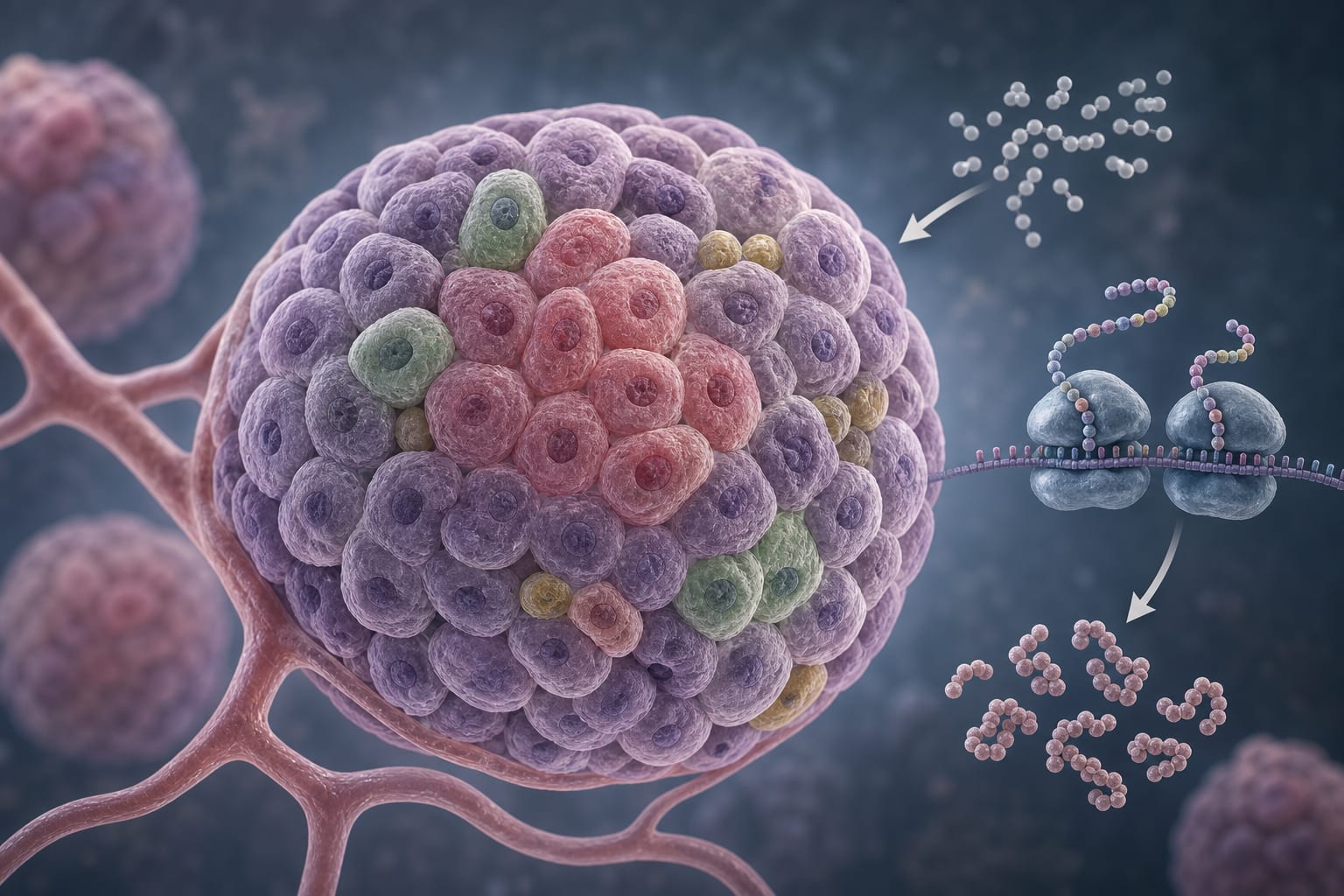
Acute glucose stimulation drives coordinated translational reprogramming in primary pancreatic islets: from global remodeling to fine-tuned insulin synthesis
Clinical Report: Acute Glucose Exposure Induces Changes in Translation in Islets
Overview
This study reveals that acute high glucose exposure leads to significant translational reprogramming in pancreatic islets, impacting insulin production. Key findings include the upregulation of immediate early genes and prioritization of ribosomal protein synthesis, which are crucial for maintaining glucose homeostasis.
Background
Understanding the translational dynamics of pancreatic beta cells is essential for addressing the challenges of type 2 diabetes mellitus (T2DM), a condition marked by insulin resistance and inadequate insulin secretion. The ability of beta cells to respond to glucose levels is critical for effective glycemic control, making insights into their protein synthesis mechanisms vital for developing targeted therapies. This research highlights the importance of translational control in beta-cell function and its implications for T2DM management.
Data Highlights
The study identified 1,680 differentially translated genes in response to glucose levels, with significant changes in translational efficiency and ribosome kinetics.
Key Findings
High glucose conditions led to upregulation of immediate early genes like Fos and Nr4a1.
Stress-related genes such as Ddit3 and Trib3 were inhibited under high glucose.
Beta cells increased synthesis of cytosolic ribosomal proteins and elongation factors.
Translational efficiency analysis revealed regulation independent of mRNA levels for genes like Rpl3 and Atf4.
High glucose altered ribosome occupancy density on specific transcripts, including Ins1.
Clinical Implications
The findings suggest potential therapeutic targets for enhancing insulin production in T2DM by focusing on translational mechanisms in beta cells. Understanding these dynamics may aid in developing strategies to preserve beta-cell function and improve glycemic control.
Conclusion
This research underscores the critical role of translational regulation in the glucose response of pancreatic islets, offering insights that could inform future therapeutic approaches for T2DM.
"AI could help reduce the burden on ophthalmology services by triaging large numbers of patients with diabetes and allowing specialists to focus on those who most urgently need care."