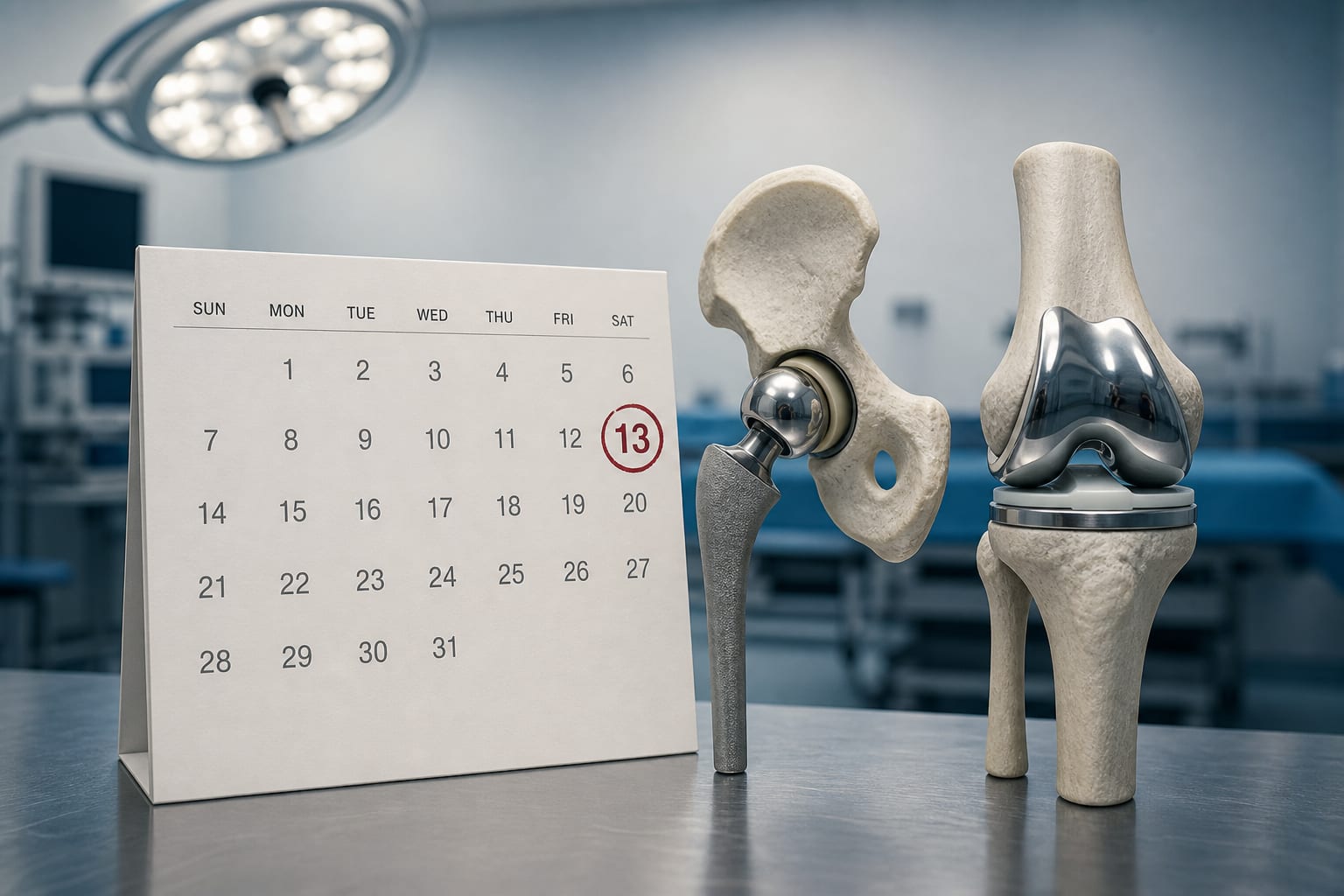
Clinical Report: Impact of Scheduling Elective Arthroplasty on High-Risk Dates
Overview
This study analyzed 43,000 elective arthroplasty procedures to determine the impact of scheduling on 'high-risk' dates, specifically Friday the 13th. The findings indicate no significant differences in complication rates or mortality for surgeries performed on this date compared to other Fridays.
Background
Superstitions, such as the belief that Friday the 13th is an unlucky day, may influence surgical scheduling and patient perceptions. This study investigates whether these superstitions have any real impact on the outcomes of total knee and hip arthroplasties.
Data Highlights
No significant differences were found in complication rates or mortality for surgeries performed on Friday the 13th compared to other Fridays.
Key Findings
No adverse outcomes were associated with total knee or hip arthroplasties performed on Friday the 13th.
The frequency of surgeries on Friday the 13th was similar to that on other Fridays.
Complication rates for septic and aseptic revisions were not significantly different between the two groups.
Patient survival rates post-surgery were comparable regardless of the date of the procedure.
The study utilized a large dataset from Medicare records, enhancing the reliability of the findings.
Clinical Implications
This study provides data on scheduling elective arthroplasties on perceived 'unlucky' days.
Conclusion
The analysis indicates that scheduling elective arthroplasties on Friday the 13th does not adversely affect surgical outcomes.