Effects of Bariatric Surgery on Breast Cancer Recurrence: Case Series Review
Overview
This case series of 13 breast cancer survivors who underwent bariatric surgery showed a single breast cancer recurrence over a median follow-up of 11.7 years post-diagnosis. Bariatric surgery was generally well tolerated and resulted in significant, durable weight loss, suggesting potential safety and benefit in this population.
Background
Obesity is a significant risk factor for cancer incidence and mortality, with higher BMI linked to increased breast cancer-specific and overall mortality. Weight loss interventions have shown limited success in reducing breast cancer recurrence, but bariatric surgery is the most effective method for sustained weight loss. Prior studies indicate bariatric surgery reduces postmenopausal breast cancer risk, yet its impact on breast cancer recurrence remains unclear. This study evaluates the safety and outcomes of bariatric surgery performed after definitive breast cancer treatment.
Among 13 breast cancer survivors undergoing bariatric surgery, only one patient experienced breast cancer recurrence.
Most patients were obese at breast cancer diagnosis and gained weight before bariatric surgery.
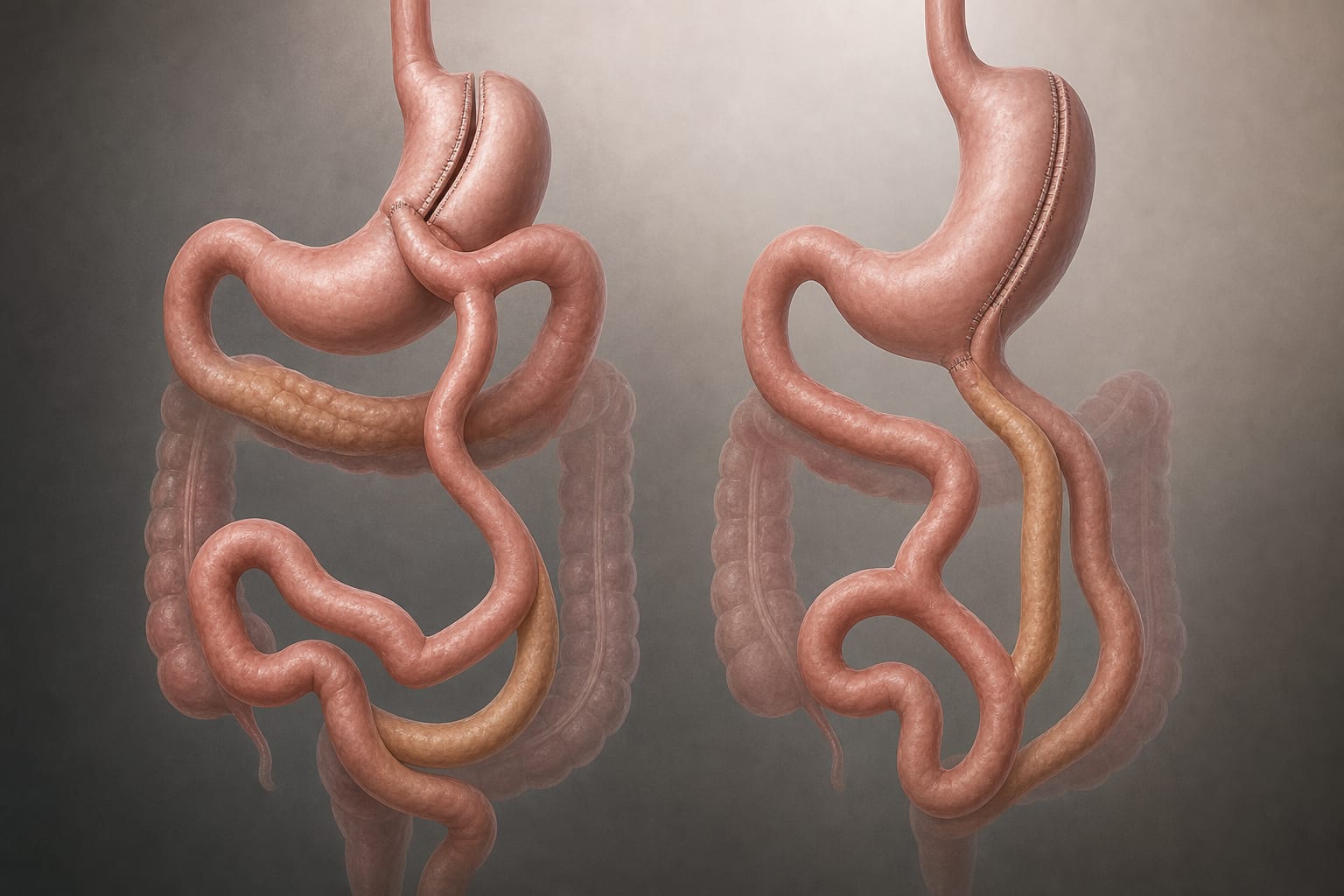
Bariatric surgery types included Roux-en-Y gastric bypass, sleeve gastrectomy, adjustable gastric band, and duodenal switch, with good overall tolerance.
Significant weight loss was achieved and maintained, averaging approximately 28% reduction at 1 and 2 years post-surgery.
The single recurrence occurred shortly after bariatric surgery in a patient with BRCA2 mutation and prior hormone receptor-positive breast cancer.
Postoperative complications were minimal, with only one patient experiencing an abdominal wall hematoma requiring transfusion.
Clinical Implications
Bariatric surgery appears to be a safe and effective option for significant weight loss in breast cancer survivors, with low observed recurrence rates in this small cohort. Clinicians may consider bariatric surgery as part of comprehensive survivorship care for obese patients to potentially improve long-term outcomes. Close monitoring remains essential, especially in patients with high-risk features such as genetic mutations.
Conclusion
This case series suggests bariatric surgery after breast cancer treatment is generally safe and associated with durable weight loss and low recurrence rates. Larger studies are needed to confirm these findings and clarify the role of bariatric surgery in breast cancer survivorship.
References
Various Authors/Studies -- Effects of Bariatric Surgery on Recurrence Rates of Breast Cancer: A Case Series and Literature Review
A retrospective database study found a low absolute incidence but higher relative hazard of ischemic optic neuropathy following semaglutide initiation.