Selective Use of Radioiodine in Pediatric Thyroid Cancer—a Paradigm Shift
-
By
-
Eyal Robenshtok
-
September 21, 2024
-
0 min
Targeted Radioiodine Use in Pediatric Thyroid Cancer: Evolving Treatment Paradigm
Overview
Recent studies demonstrate that many postpubertal pediatric patients with low- to intermediate-risk differentiated thyroid cancer (DTC) can achieve excellent outcomes without adjuvant radioiodine (RAI) therapy. This shift reflects growing evidence supporting selective RAI use to minimize long-term risks while maintaining disease control.
Background
Differentiated thyroid cancer in children often presents with more advanced disease compared to adults, traditionally leading to total thyroidectomy followed by RAI. However, adult guidelines have reduced RAI use in low-risk patients, and emerging pediatric data suggest similar approaches may be appropriate for select children, especially postpubertal patients. Concerns about long-term RAI toxicity and evidence of indolent disease courses have prompted reevaluation of routine RAI use in pediatric DTC.
Data Highlights
| Study | Patients | RAI Use | Follow-up (years) | Disease-Free Rate | Recurrence Rate |
|---|---|---|---|---|---|
| Castellanos et al (2023) | 93 pediatric low- to intermediate-risk PTC | Not treated initially | 5.5 | 91% | 3% |
| Hay et al (2010) | 100 pediatric DTC confined to neck | Not treated | Long-term | Excellent survival | Not specified |
| Bojarsky et al (Recent) | 45 low-risk pediatric patients | Not treated | Not specified | Similar remission to RAI-treated | Not specified |
| SEER Registry (2022) | Childhood and young-adult DTC | RAI treated | 20+ years | Not applicable | Increased leukemia and solid cancers risk |
Key Findings
- Postpubertal pediatric patients with low- to intermediate-risk papillary thyroid carcinoma show high disease-free survival without initial RAI therapy.
- Only a small proportion (3%) experienced recurrence, and salvage RAI was effective in limited cases.
- Long-term risks of RAI include increased secondary malignancies and salivary gland dysfunction, supporting selective use.
- Prepubertal patients tend to have more aggressive disease with distinct genetic profiles, necessitating different management.
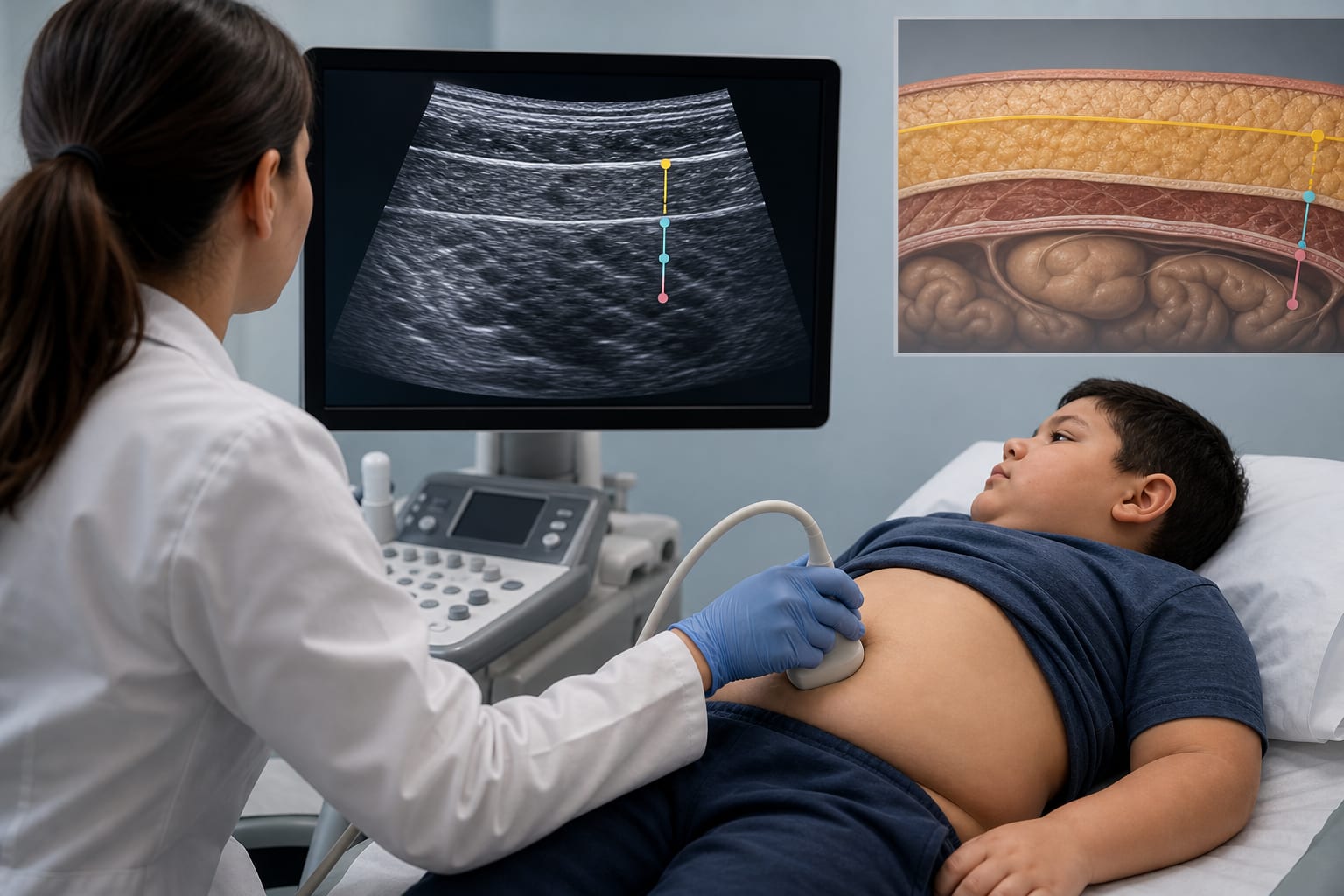
- Dynamic risk stratification using thyroglobulin levels and ultrasound guides individualized decisions on RAI therapy and surveillance.
- Genetic markers may further refine RAI responsiveness predictions, though more pediatric data are needed.
Clinical Implications
Clinicians should consider withholding adjuvant RAI in postpubertal pediatric patients with low- to intermediate-risk DTC, using postoperative thyroglobulin and imaging to guide therapy decisions. This approach reduces unnecessary exposure to RAI and its long-term risks while maintaining excellent disease control. Individualized management strategies incorporating dynamic risk stratification and genetic profiling may optimize outcomes.
Conclusion
Emerging evidence supports a paradigm shift toward selective, rather than routine, use of RAI in pediatric differentiated thyroid cancer, particularly in postpubertal patients. This strategy balances effective disease control with minimization of treatment-related risks.
References
- Castellanos et al 2023 -- Pediatric Low- to Intermediate-Risk PTC Outcomes Without Initial RAI
- Hay et al 2010 -- Pediatric DTC Treated Without RAI: Long-Term Survival
- Bojarsky et al Recent -- Remission Rates in Low-Risk Pediatric DTC Without RAI
- SEER Registry 2022 -- Long-Term Risks of RAI in Childhood and Young-Adult DTC
This content is an AI-generated, fully rewritten summary based on a published scholarly article. It does not reproduce the original text and is not a substitute for the original publication. Readers are encouraged to consult the source for full context, data, and methodology.