Bioinformatics and machine learning-driven discovery of candidate tissue diagnostic markers for endometriosis with experimental verification - Report - MDSpire
Conexiant’s news site is now MDSpire News. Learn more
Advertisement
Identification of Potential Tissue Diagnostic Biomarkers for Endometriosis through Bioinformatics and Machine Learning Approaches with Experimental Validation
Clinical Report: Identification of Potential Tissue Diagnostic Biomarkers for Endometriosis
Overview
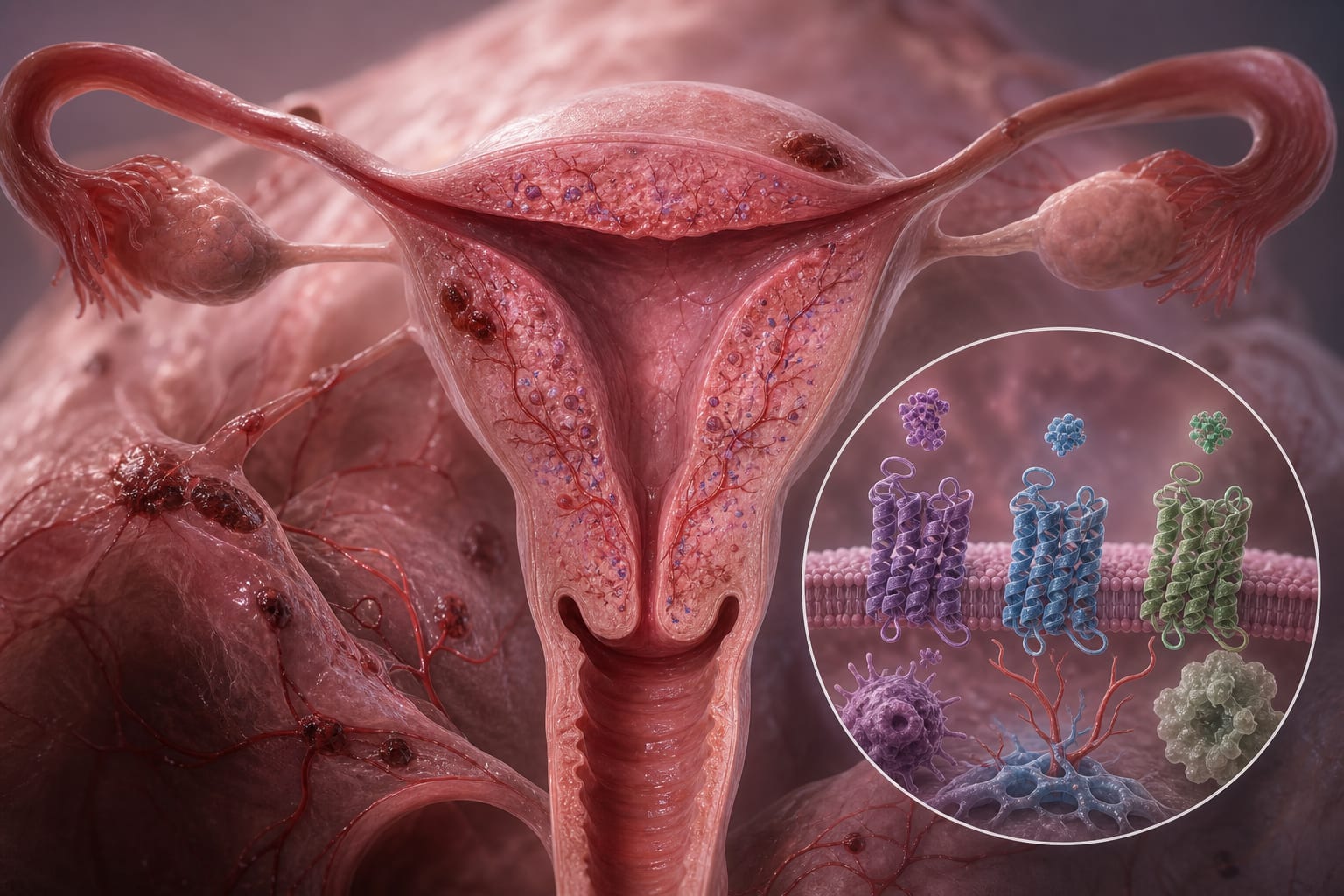
This study identifies four genes (COL6A3, BGN, LAMA4, THBS2) as potential tissue diagnostic biomarkers for endometriosis, demonstrating high discriminatory power and involvement in extracellular matrix remodeling. The findings were validated through experimental models and suggest a link between these biomarkers and immune dysregulation.
Background
Endometriosis is a prevalent gynecological disorder affecting approximately 10% of women of reproductive age, often leading to chronic pain and infertility. Current diagnostic methods are limited, and there is a pressing need for reliable biomarkers to improve early detection and treatment strategies. Understanding the molecular underpinnings of endometriosis is crucial for developing targeted therapies and enhancing patient outcomes.
Data Highlights
Gene
Discriminatory Power (AUC)
COL6A3
> 0.80
BGN
> 0.80
LAMA4
> 0.80
THBS2
> 0.80
Key Findings
Four genes (COL6A3, BGN, LAMA4, THBS2) were identified as robust candidate biomarkers for endometriosis.
These genes showed consistent upregulation in ectopic endometrium and high discriminatory power (AUC > 0.80).
Immune dysregulation was characterized by increased M1 macrophages and plasma cells, and decreased resting NK cells.
Functional validation in a mouse model confirmed the histopathological features of endometriosis.
Hub genes correlated with specific immune subsets, indicating their role in the immune microenvironment.
Clinical Implications
The identification of COL6A3, BGN, LAMA4, and THBS2 as potential biomarkers may facilitate earlier diagnosis and targeted treatment strategies for endometriosis. Clinicians should consider these markers in the context of immune dysregulation when evaluating patients with suspected endometriosis.
Conclusion
The study provides valuable insights into the molecular landscape of endometriosis, highlighting the potential of specific genes as diagnostic biomarkers. Further research is warranted to translate these findings into clinical practice.