Clinical Report: The Biological and Clinical Spectrum of Multiple Sclerosis
Overview
This report examines the evolving understanding of multiple sclerosis (MS) as a continuum, highlighting the importance of early risk factors and the potential for preclinical detection. It emphasizes the need for improved biomarkers and diagnostic tools to facilitate early intervention.
Background
Multiple sclerosis (MS) is a chronic immune-mediated disease that primarily affects young adults but can also manifest in older individuals. Understanding the early biological processes and risk factors associated with MS is crucial for timely diagnosis and intervention, potentially improving patient outcomes. Recent evidence suggests that MS-related changes may occur years before the onset of clinical symptoms, necessitating a shift in how the disease is conceptualized and diagnosed.
Data Highlights
No specific numerical data was provided in the article.
Key Findings
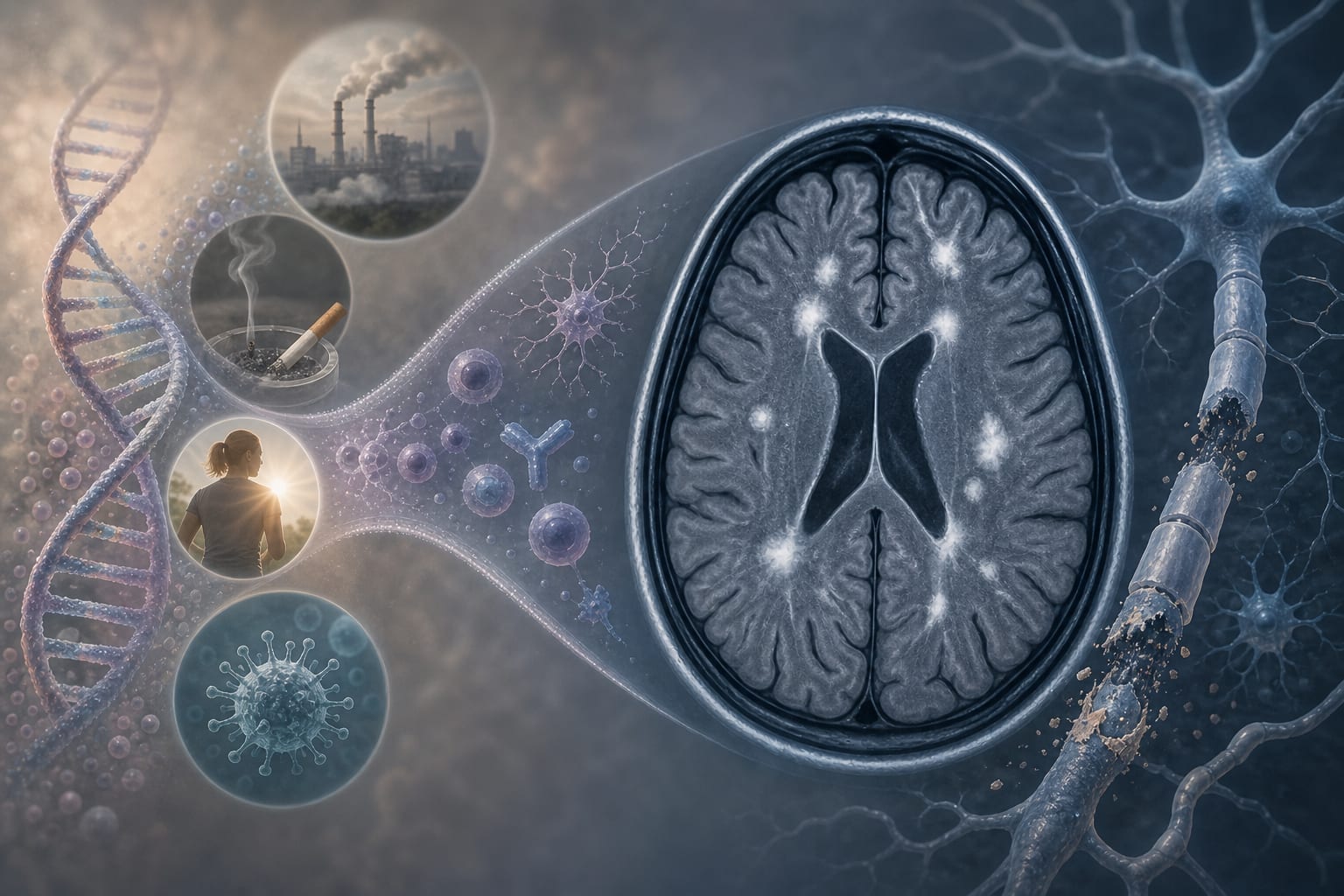
MS may unfold along a biological continuum, beginning years before clinical symptoms appear.
Genetic susceptibility and environmental factors contribute to the risk of developing MS.
Subtle, nonspecific symptoms may precede detectable abnormalities such as MRI lesions.
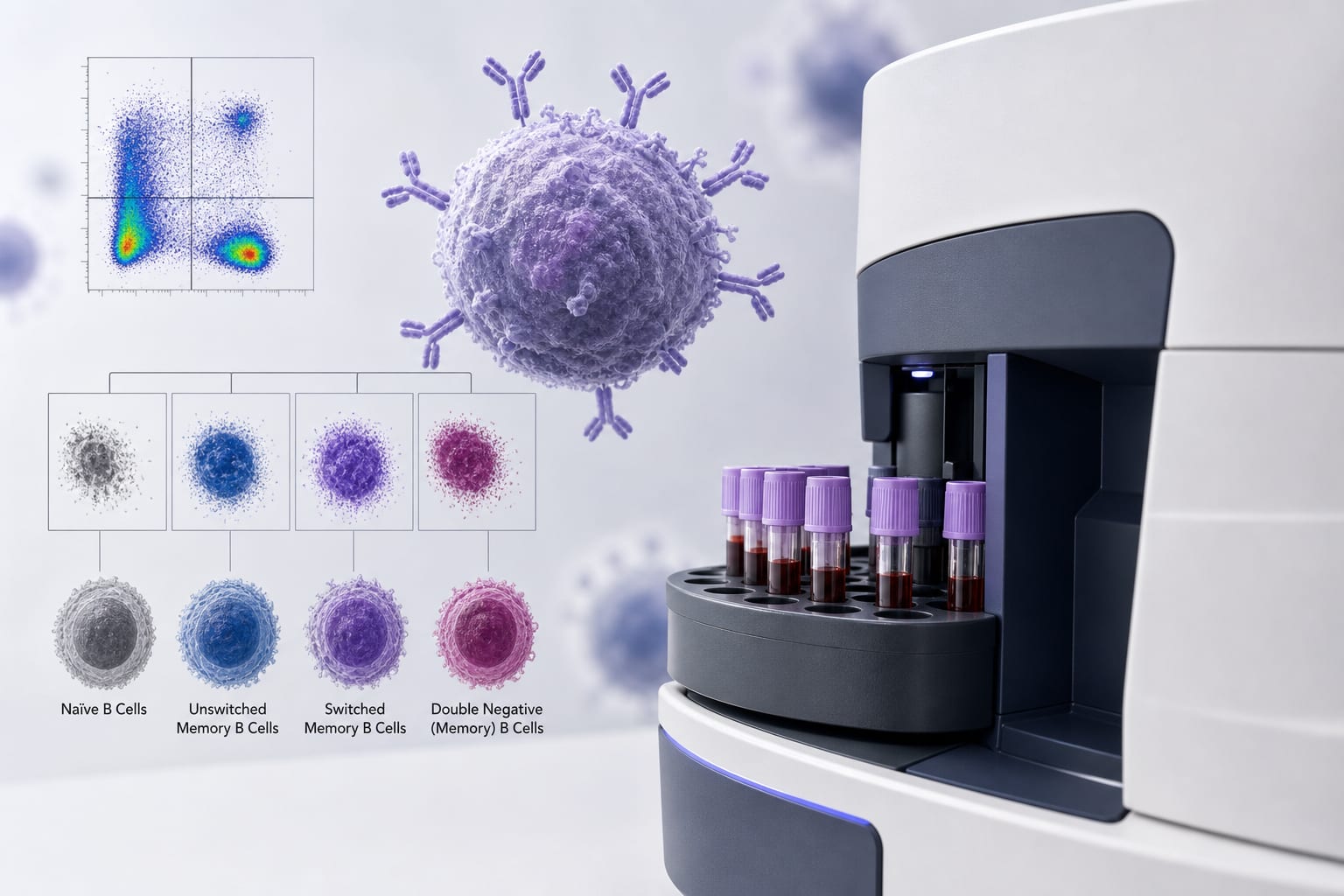
Emerging biomarkers, including neurofilament light, indicate early neuroaxonal injury prior to clinical events.
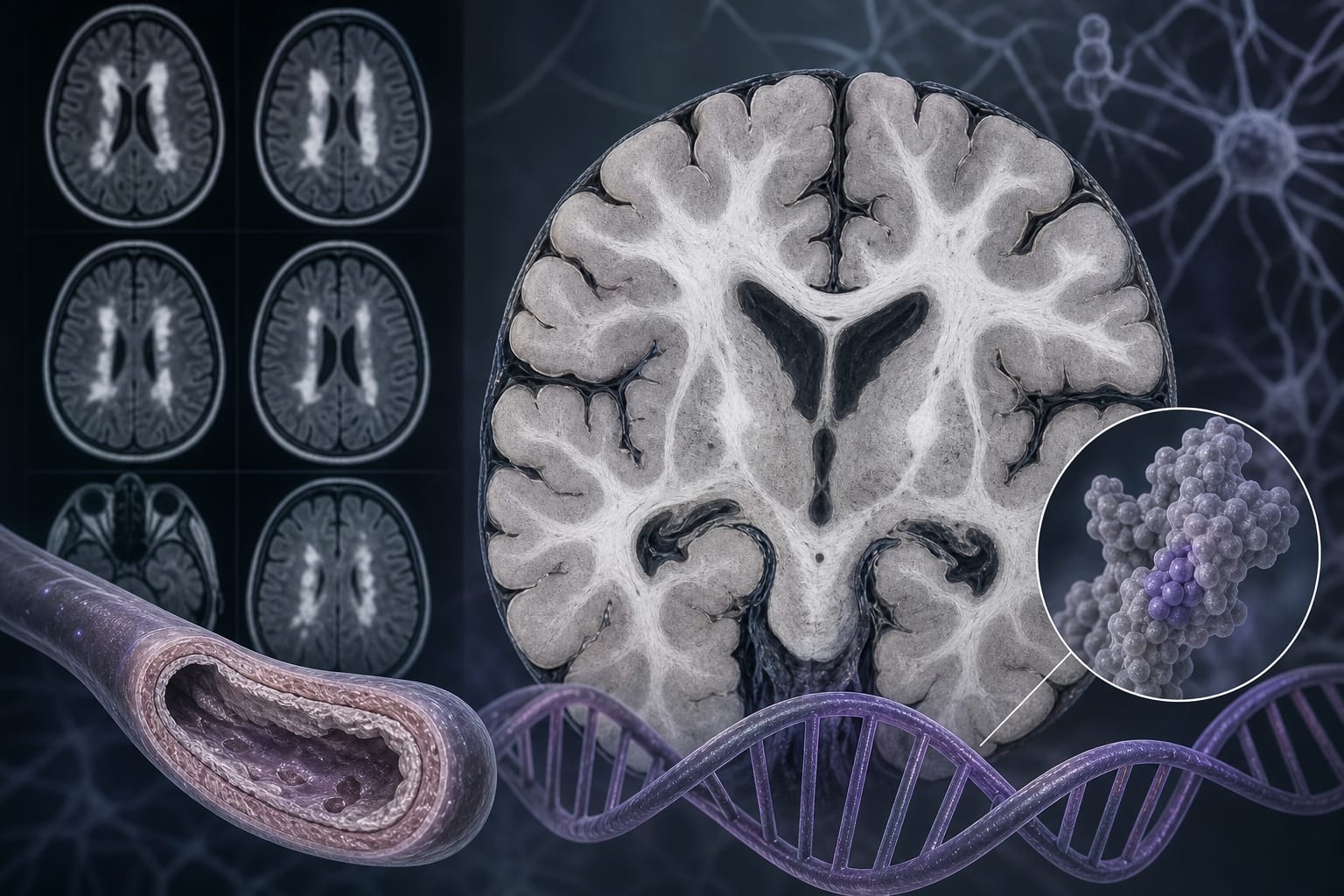
Recent updates to diagnostic criteria allow for the diagnosis of asymptomatic individuals with characteristic radiological findings.
Clinical Implications
Healthcare professionals should consider the continuum of MS when evaluating patients, as early detection of risk factors may lead to better management strategies. The development of reliable biomarkers is essential for translating research findings into clinical practice, enabling earlier intervention and potentially improving long-term outcomes.
Conclusion
Recognizing MS as a continuum highlights the importance of early detection and intervention. Continued research into biomarkers and diagnostic criteria will be vital for improving patient care.