Early Immunological Biomarkers for Personalized Treatment Selection in Severe COVID-19: Post Hoc Machine Learning Analysis of a Randomized Clinical Trial - Report - MDSpire
Advertisement
Early Immunological Biomarkers for Personalized Treatment Selection in Severe COVID-19: Post Hoc Machine Learning Analysis of a Randomized Clinical Trial
Clinical Report: Identification of Early Immunological Biomarkers for Tailored Treatment Strategies in Severe COVID-19
Overview
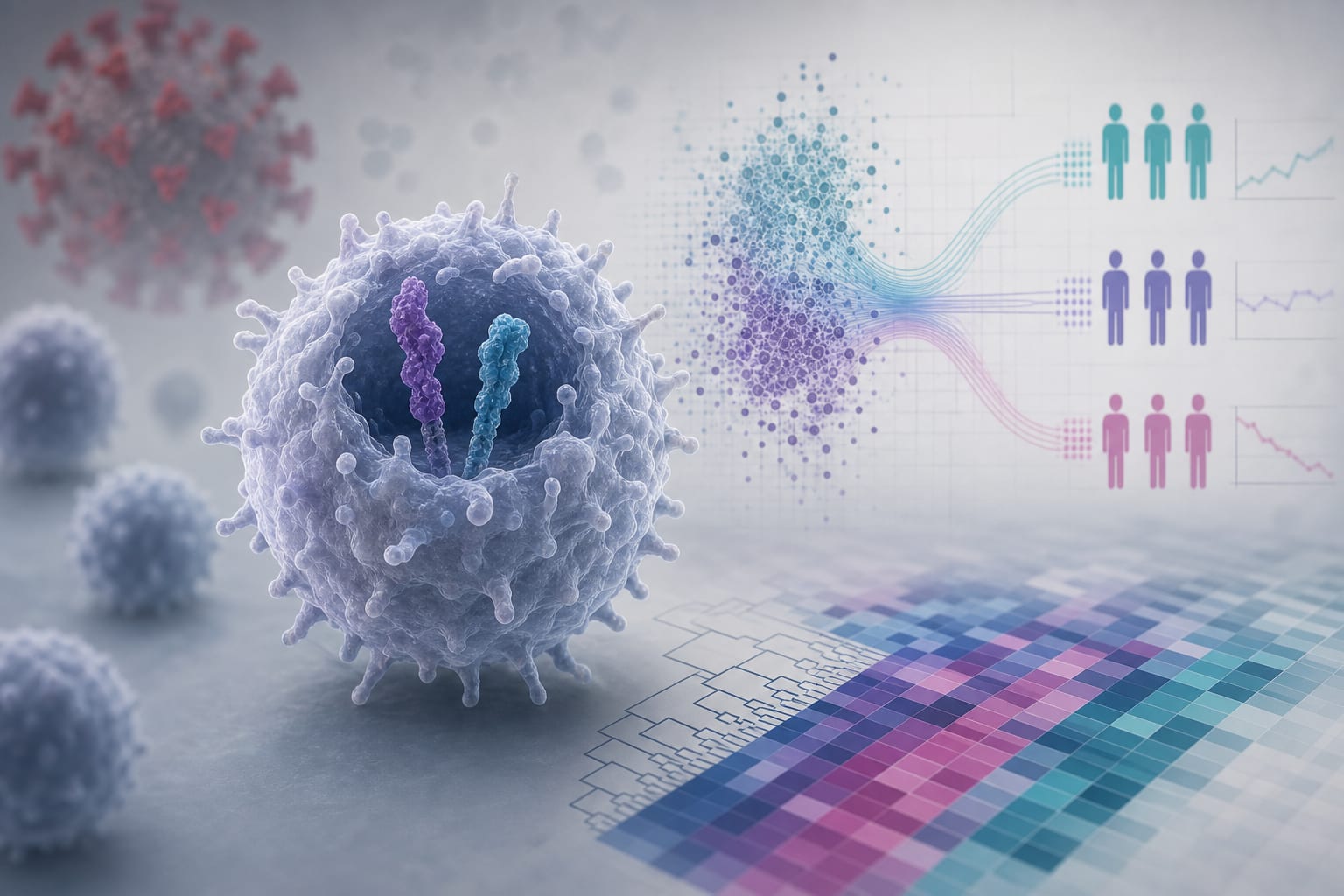
This study utilized machine learning to identify immunological biomarkers that predict treatment outcomes in severe COVID-19 patients. The findings suggest that these biomarkers can help stratify patients for tailored immunotherapy, potentially improving recovery rates.
Background
The COVID-19 pandemic has highlighted the need for effective treatment strategies, particularly for severe cases. Identifying biomarkers associated with treatment outcomes can enhance patient management and optimize therapeutic approaches. Machine learning offers a promising avenue for analyzing complex datasets to improve risk stratification and treatment planning.
Data Highlights
No numerical data or trial data were presented in the provided material.
Key Findings
CoV-2-STs combined with standard-of-care improved recovery and survival rates in severe COVID-19 patients.
Machine learning models can identify critical biomarkers associated with treatment outcomes in COVID-19.
The developed computational tool predicts recovery likelihood, aiding in patient risk stratification.
Machine learning applications have shown promise in optimizing medical practices for COVID-19 management.
Previous studies have demonstrated the feasibility of using ex vivo expanded T cells for therapeutic purposes.
Clinical Implications
Healthcare professionals can utilize the identified biomarkers to better stratify patients at risk of poor outcomes from standard treatments. The integration of machine learning tools in clinical settings may enhance decision-making and improve patient management strategies for severe COVID-19.
Conclusion
The identification of immunological biomarkers through machine learning represents a significant advancement in tailoring treatment strategies for severe COVID-19. This approach could lead to improved patient outcomes and more effective use of immunotherapy.