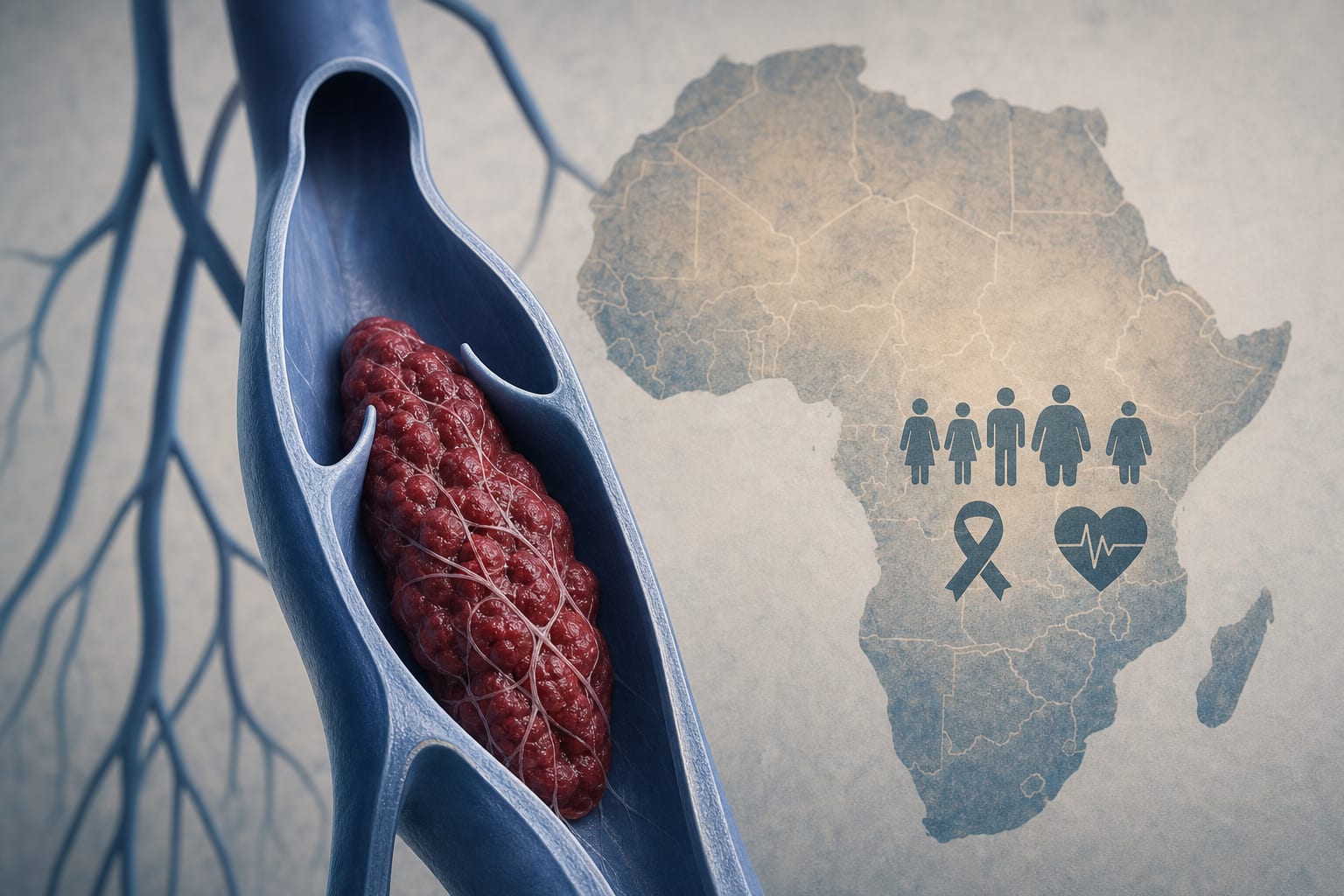
Clinical Report: Addressing Deep Vein Thrombosis as a Key Public Health Concern
Overview
Deep vein thrombosis (DVT) is increasingly recognized as a significant public health issue in Africa, driven by rising risk factors and inadequate healthcare infrastructure. The WHO's 2030 strategy aims to enhance awareness, diagnostic capacity, and prevention efforts to combat this condition.
Background
DVT is a major contributor to cardiovascular morbidity and mortality, particularly in low- and middle-income regions like Africa. The condition is often underdiagnosed and underreported, leading to preventable complications. With the increasing burden of risk factors such as obesity and infectious diseases, prioritizing DVT in healthcare agendas is essential for improving vascular health outcomes.
Data Highlights
No numerical data provided in the source material.
Key Findings
DVT is a serious vascular condition characterized by blood clots in deep veins, primarily affecting lower limbs.
In Africa, DVT is under-recognized due to limited awareness and diagnostic challenges.
The WHO has identified DVT control as a critical component of its 2030 health strategy for Africa.
Strategic priorities include enhancing epidemiological surveillance and increasing awareness among healthcare providers and communities.
Challenges such as inadequate infrastructure and sociocultural barriers hinder effective DVT control in many African settings.
Clinical Implications
Healthcare providers should prioritize DVT awareness and prevention strategies in their practice, particularly in high-risk populations. Strengthening diagnostic capacity and implementing evidence-based guidelines are crucial for improving patient outcomes.
Conclusion
Elevating DVT as a public health priority in Africa is essential for enhancing early detection and management, ultimately reducing preventable complications.