Clinical Report: Essential Data Criteria and Automated Preprocessing for Consistent EEG Biomarkers in Rett Syndrome
Overview
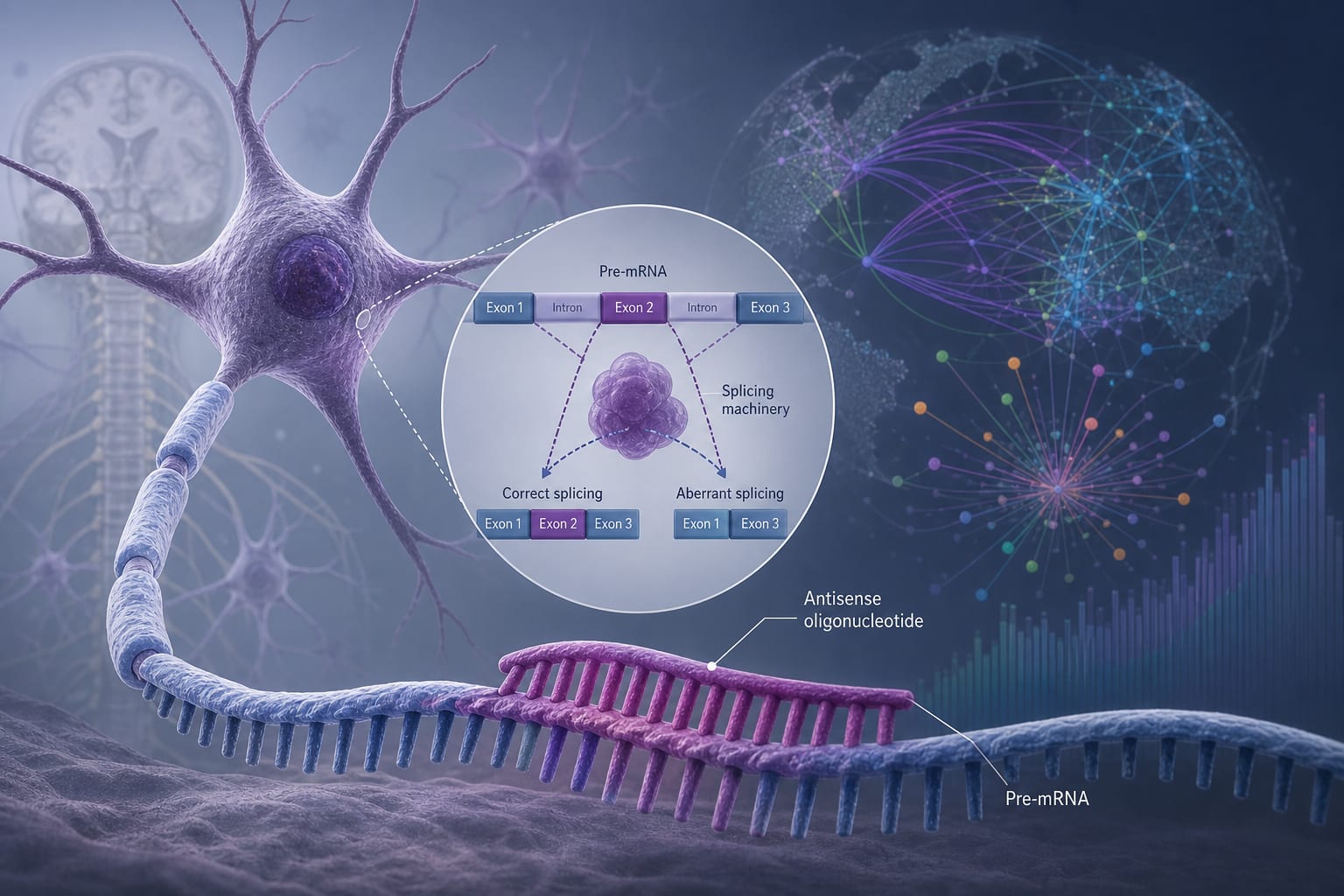
This study establishes an automated preprocessing pipeline for EEG data in Rett syndrome, demonstrating that approximately 3 minutes of raw EEG can yield stable and clinically meaningful spectral features. The pipeline significantly improves data retention compared to traditional methods, facilitating multisite analysis.
Background
Rett syndrome (RTT) is a severe neurodevelopmental disorder with limited objective biomarkers for assessing neural dysfunction and treatment effects. EEG has potential as a biomarker, but challenges such as artifact and participant tolerance hinder its reliability. Addressing these issues is crucial for advancing EEG as a viable tool in RTT research and clinical practice.
Data Highlights
Pipeline Type
Data Retention
p-value
Correction-based
95.0%
<0.001
Rejection-based
28.4%
Key Findings
The correction-based pipeline retained 95.0% of data compared to 28.4% with the rejection-based workflow.
Stable power estimates were achieved after 19–34 epochs (76–136 seconds).
No significant difference in stabilization thresholds was found between RTT and typically developing controls.
Intrinsic signal instability was higher in the RTT group compared to controls.
Age-stratified analysis showed no significant differences in minimum epochs required for stability.
Clinical Implications
The findings support the feasibility of shorter EEG acquisition times in children with RTT, potentially improving patient comfort and participation. The automated preprocessing pipeline can enhance the reliability of EEG as a biomarker in multisite studies, facilitating better clinical assessments and research outcomes.
Conclusion
This study provides a validated framework for EEG data processing in Rett syndrome, emphasizing the importance of data sufficiency for reliable biomarker development. The proposed methods can lead to more effective and inclusive research protocols.