Integrative multi-omics analysis identifies a robust 14-metabolite signature and reveals microbiome–metabolite–host interactions in atherosclerosis - Report - MDSpire

Integrative multi-omics analysis identifies a robust 14-metabolite signature and reveals microbiome–metabolite–host interactions in atherosclerosis

  • By

  • Leiyang Dai

  • Xiao Wang

  • Hui Zhang

  • Rong Gong

  • Jianli Pang

  • Junxi Pan

  • Qiuyue Xu

  • Yong Duan

  • June 8, 2026

  • 0 min

Share

Clinical Report: Comprehensive Multi-Omics Investigation in Atherosclerosis

Overview

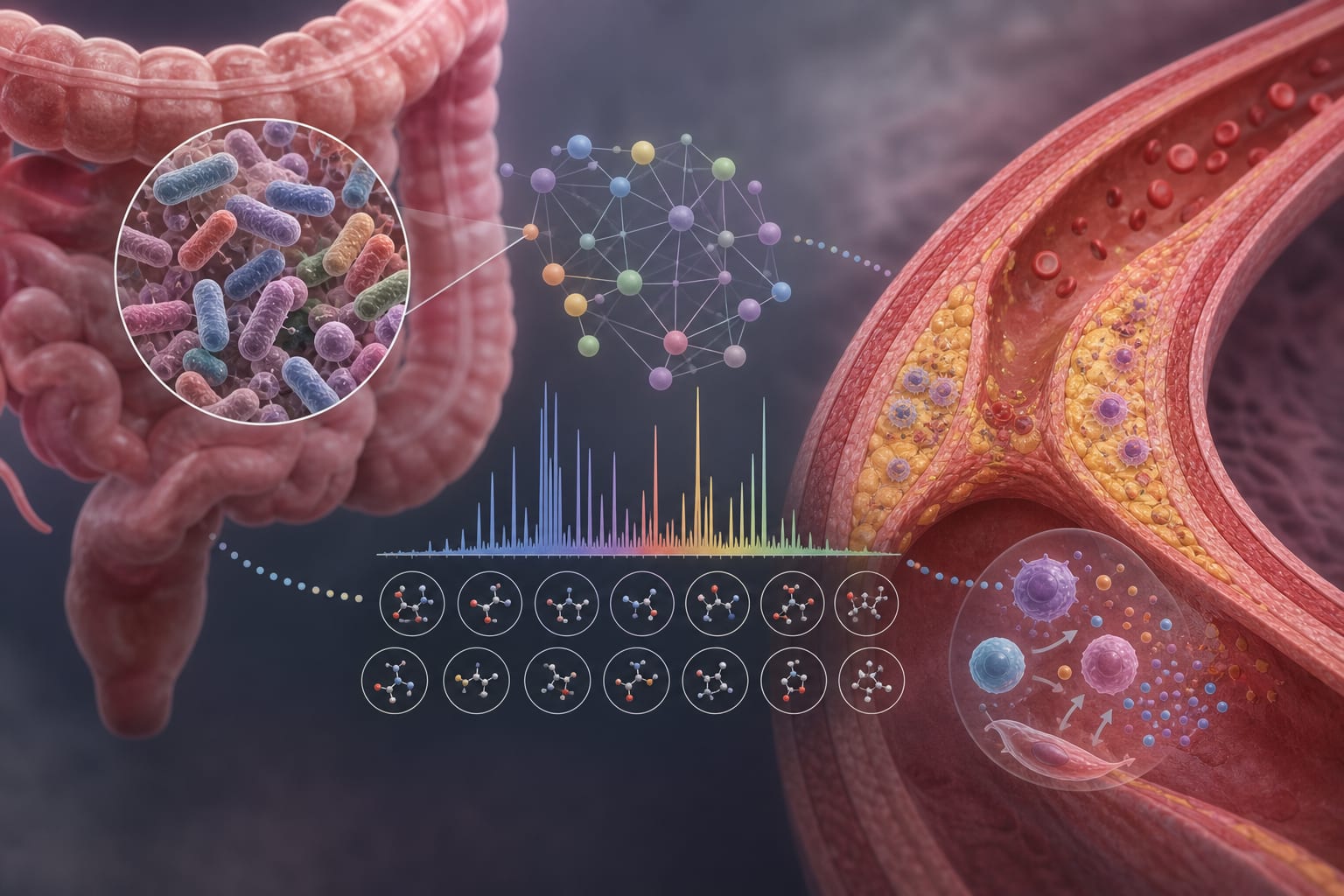
This study identifies a distinct 14-metabolite profile associated with atherosclerosis (AS) and elucidates the interactions between microbiome, metabolites, and host factors. The findings suggest potential biomarkers and therapeutic targets for AS diagnosis and intervention.

Background

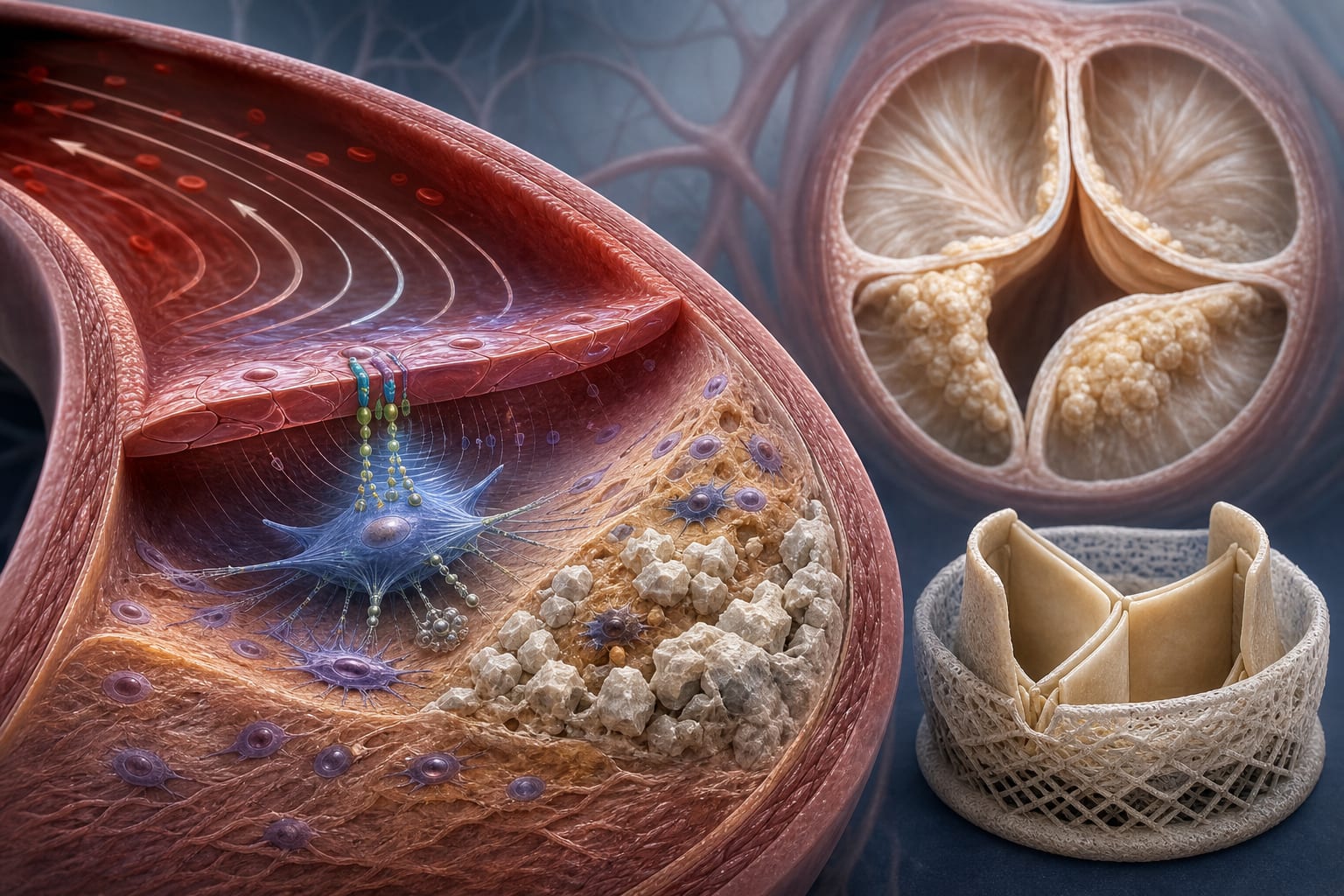
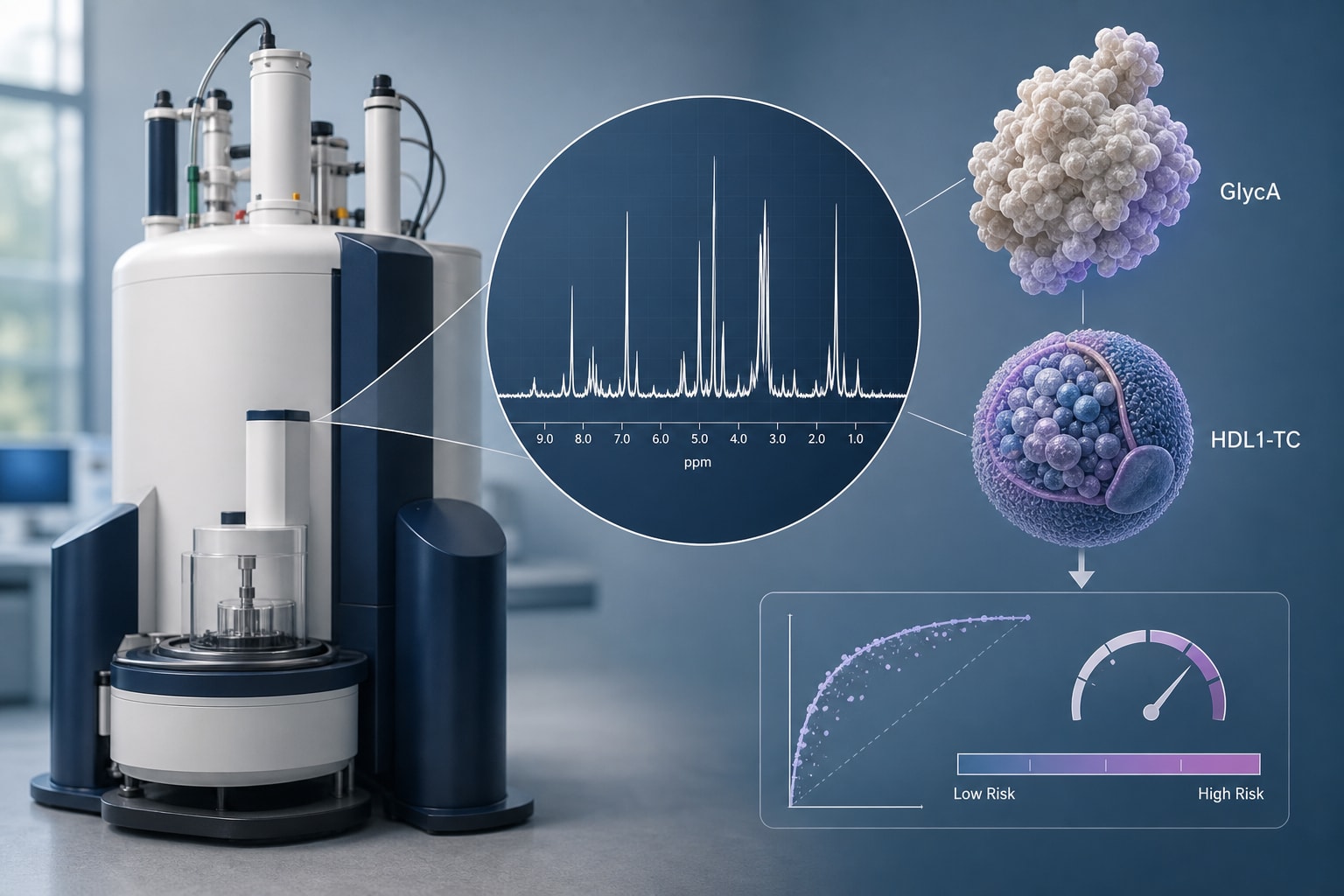
Atherosclerosis is a leading cause of cardiovascular diseases, characterized by complex metabolic and inflammatory processes. Understanding the interplay between host metabolism and gut microbiota is crucial for identifying novel biomarkers and therapeutic strategies. This study leverages high-throughput metabolomics and machine learning to explore these interactions in AS.

Data Highlights

MetaboliteDiagnostic Potential
Trimethylamine N-oxideHigh
3-Hydroxyhippuric acidHigh
Cholesteryl sulfateHigh

Key Findings

  • A total of 122 differential metabolites were identified between AS patients and healthy controls.
  • 14 overlapping metabolites demonstrated strong discriminative performance for AS diagnosis.
  • Key metabolites included Trimethylamine N-oxide, 3-Hydroxyhippuric acid, and Cholesteryl sulfate.
  • Despite limited differences in gut microbiota composition, significant correlations between specific genera and metabolites were observed.
  • Senescence markers P16 and P21 were significantly elevated in AS, correlating with key metabolites and microbial taxa.

Clinical Implications

The identified metabolite signature may serve as a valuable tool for early diagnosis and risk stratification in atherosclerosis. Clinicians should consider the integration of metabolomic data with traditional risk factors to enhance patient management strategies.

Conclusion

This comprehensive investigation highlights the importance of a coordinated microbiome–metabolite–host interaction network in atherosclerosis, paving the way for future research into targeted therapies and biomarkers.
Related Resources & Content

  1. Clinical Rheumatology, 2020 -- Is Metabolic Profiling a Key to Understanding Osteoarthritis and Advancing Personalized Medicine?
  2. Frontiers in Immunology, 2026 -- Editorial: Host-microbe immunometabolic chat: a new era of organismal communication
  3. The Journal of Infectious Diseases, 2023 -- The Gut Microbiome: Another Piece in the Puzzle of HIV-Associated Atherosclerosis
  4. Basic Research in Cardiology, 2025 -- Impact of Acute and Chronic Coronary Syndromes on Gut Microbiota and Associated Metabolites—Insights from the MIAMI Trial on Myocardial Infarction
  5. Circulation, 2026 -- 2026 ACC/AHA/AACVPR/ABC/ACPM/ADA/AGS/APhA/ASPC/NLA/PCNA Guideline on the Management of Dyslipidemia
  6. American College of Cardiology, 2025 -- 2025 ACC/AHA/ACEP/NAEMSP/SCAI Guideline for the Management of Patients With Acute Coronary Syndromes
  7. PubMed -- Trimethylamine-N-oxide (TMAO) and risk of incident cardiovascular events in the multi ethnic study of Atherosclerosis
  8. 2026 ACC/AHA/AACVPR/ABC/ACPM/ADA/AGS/APhA/ASPC/NLA/PCNA Guideline on the Management of Dyslipidemia: A Report of the American College of Cardiology/American Heart Association Joint Committee on Clinical Practice Guidelines | Circulation
  9. 2025 ACC/AHA/ACEP/NAEMSP/SCAI Guideline for the Management of Patients With Acute Coronary Syndromes - American College of Cardiology
  10. Trimethylamine-N-oxide (TMAO) and risk of incident cardiovascular events in the multi ethnic study of Atherosclerosis - PubMed

Original Source(s)

Related Content