Dry Eye Dx and Tx: <br>Telehealth Enters the Dry Eye Arena</br>
-
By
-
Tiffany Andrzejewski, OD
-
September 1, 2026
-
5 min
Clinical Report: Telehealth Enters the Dry Eye Arena
Overview
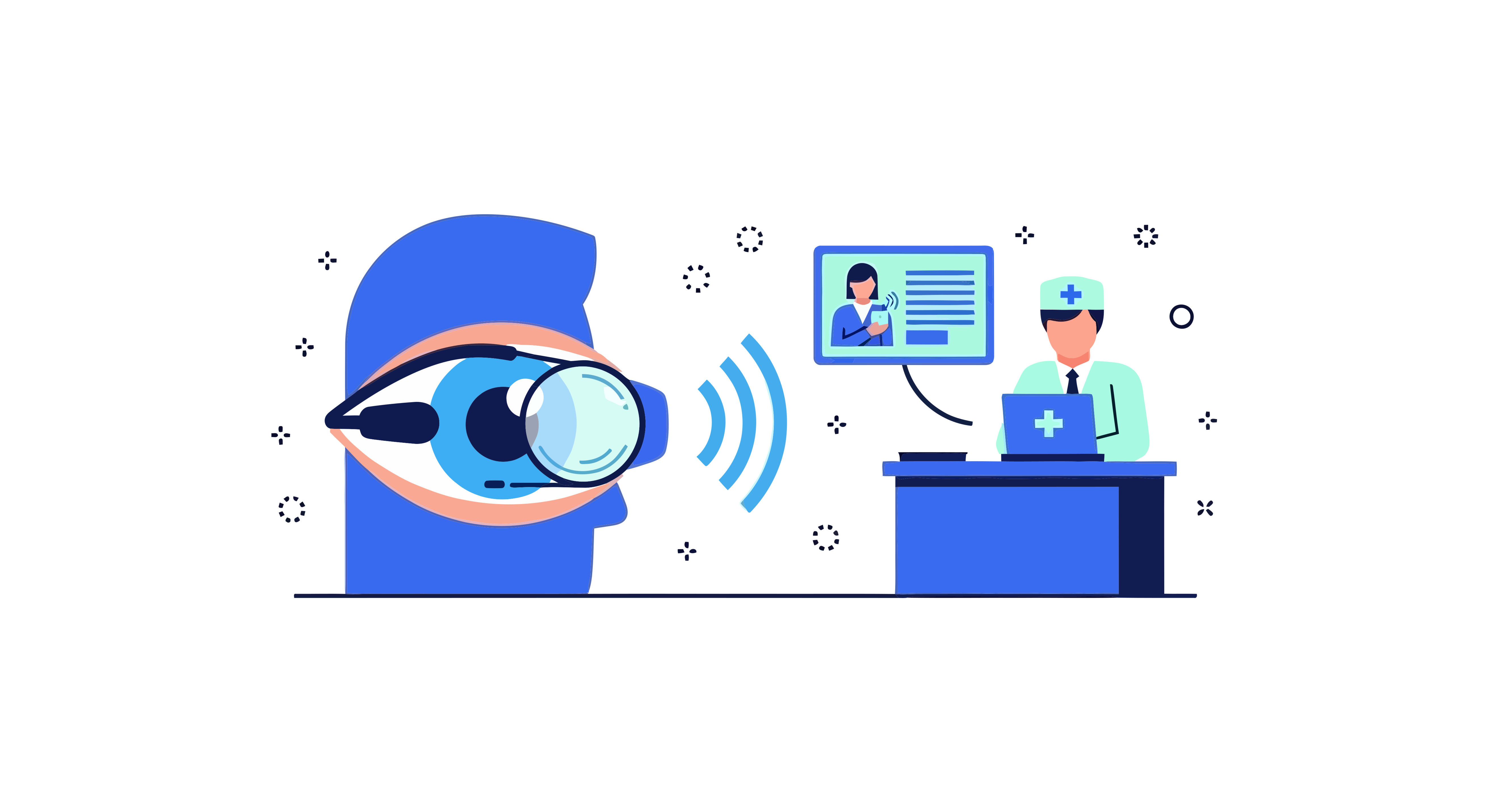
Dry eye disease (DED) affects approximately 16 million Americans, with many patients delaying care. Telehealth platforms, such as Rain Eyecare, offer remote assessments and treatment options.
Background
Dry eye disease is a prevalent condition that significantly impacts patients' quality of life. Many individuals experience prolonged symptoms before seeking treatment, often resorting to self-management. The integration of telehealth in eye care has potential applications for patients diagnosed with DED.
Data Highlights
No numerical data available in the source material.
Key Findings
- Approximately 16 million Americans are affected by dry eye disease (DED).
- Up to one-third of patients experience symptoms for 5 years before consulting an eyecare provider.
- Telehealth services have been utilized since 1999, with significant growth from 2015 to 2021.
- The Ocular Surface Disease Index (OSDI) is a validated tool for assessing dry eye symptoms, suitable for telehealth applications.
- Teleoptometry is effective for managing refills and monitoring symptoms in patients already diagnosed with DED.
- A hybrid model combining telehealth and in-person exams is suggested for comprehensive dry eye management.
Clinical Implications
Telehealth can assist in the management of dry eye disease for patients already diagnosed. However, it should not replace comprehensive in-person examinations, which are necessary for accurate diagnosis and treatment planning.
Conclusion
Telehealth presents opportunities for monitoring and managing ongoing treatment for patients with dry eye disease. A balanced approach that includes both telehealth and in-person assessments is necessary.
Related Resources & Content
- Stapleton F, Alves M, Bunya VY, et al., Ocul Surf, 2017 -- TFOS DEWS II epidemiology report
- Wozniak P, Poster presented at ESCRS, 2025 -- Dry eye symptoms, severity, treatment and unmet needs
- Massie J, Block SS, Morjaria P, Telemed J E Health, 2022 -- The role of optometry in the delivery of eye care via telehealth
- Rain Eyecare LLC, PR Newswire, 2026 -- The first dedicated dry eye telehealth brand has arrived
- Wolffsohn JS, Travé-Huarte S, Craig JP, et al., J Clin Med, 2024 -- Appropriateness of questionnaires for the diagnosis and monitoring treatment of dry eye disease
- Wolffsohn JS, Benítez-Del-Castillo JM, et al., Am J Ophthalmol, 2025 -- TFOS DEWS III: Diagnostic Methodology
- Contact Lens Spectrum — DRY EYE DX AND TX
- Contact Lens Spectrum — Dry Eye Dx and Tx
- Contact Lens Spectrum — Dry Eye Dx and Tx
- Dry Eye Syndrome Preferred Practice Pattern
- TFOS DEWS III: Diagnostic Methodology
- Dry eye (keratoconjunctivitis sicca, KCS) - College of Optometrists
- Smartphone App–Based and Paper-Based Patient-Reported Outcomes Using a Disease-Specific Questionnaire for Dry Eye Disease: Randomized Crossover Equivalence Study - PMC
- Technological Interventions for Dry Eye Disease: A Systematic Review and Random-Effects Network Meta-analysis of 3-Month Outcomes | Ophthalmology and Therapy | Springer Nature Link
- Comparing conventional and 3D semi-automated lighting slit lamps for anterior segment examinations in a remote eye care setting - PubMed
- Smartphone-Based Portable Slit Lamp in Anterior Segment Diseases: A Narrative Review of Clinical Assessment and Integration with Artificial Intelligence | Ophthalmology and Therapy | Springer Nature Link
- Telemedicine for Cornea and External Disease: A Scoping Review of Imaging Devices - PMC
Based on findings from:
Dry Eye Dx and Tx: <br>Telehealth Enters the Dry Eye Arena</br>
Tiffany Andrzejewski, OD. Contact Lens Spectrum, 2026.
https://www.clspectrum.com/issues/2026/september-october/dry-eye-dx-and-tx
This content is an AI-generated, fully rewritten summary based on a published scholarly article. It does not reproduce the original text and is not a substitute for the original publication. Readers are encouraged to consult the source for full context, data, and methodology.