Clinical Report: Microbiome-Based Biomarkers for Colorectal Cancer Diagnosis
Overview
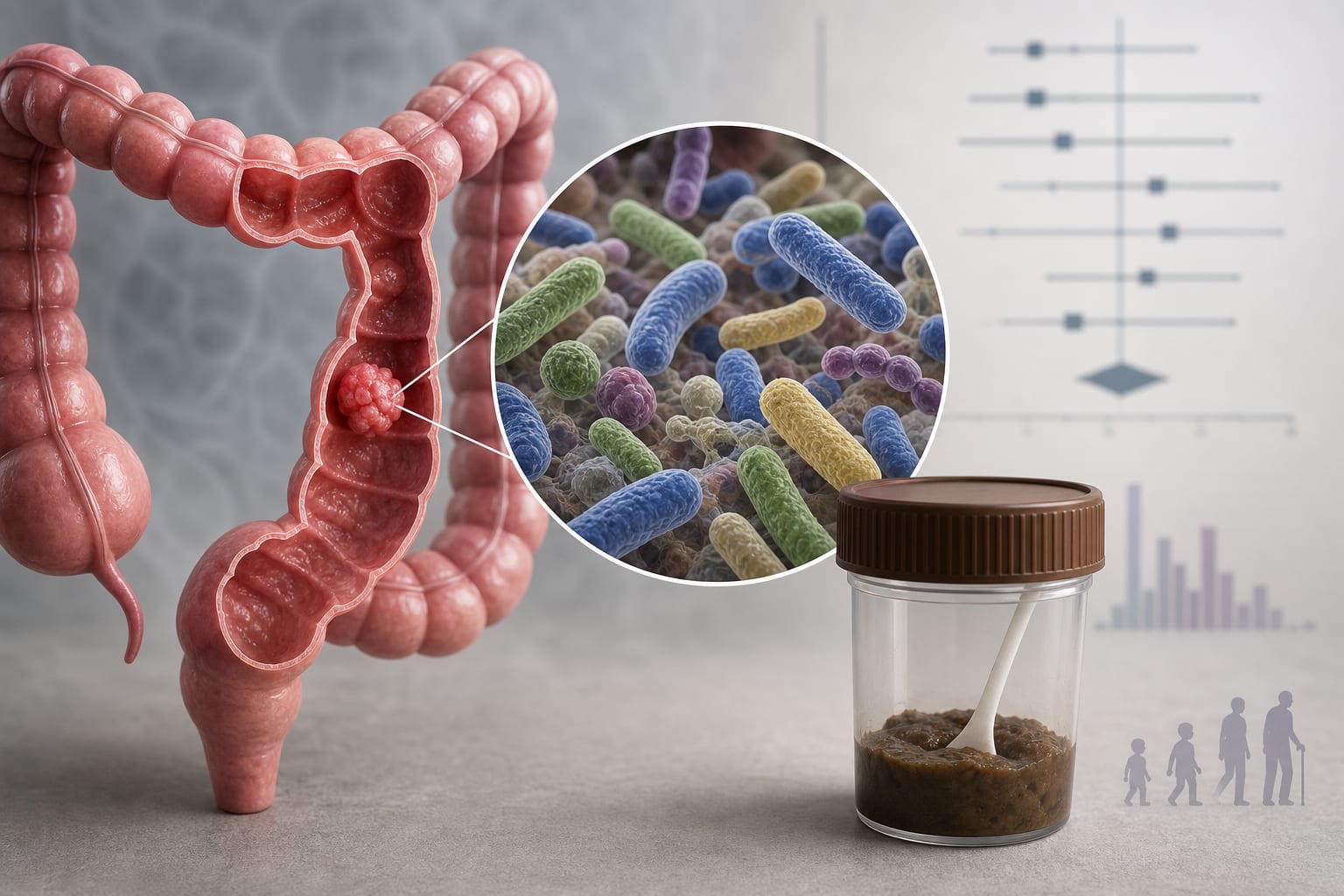
This systematic review and meta-analysis evaluated the diagnostic performance of gut microbiome-based biomarkers for colorectal cancer (CRC), revealing an average AUROC of 0.89 for CRC and 0.80 for adenomas, based on 27 studies. Age was identified as a significant confounding factor affecting diagnostic performance.
Background
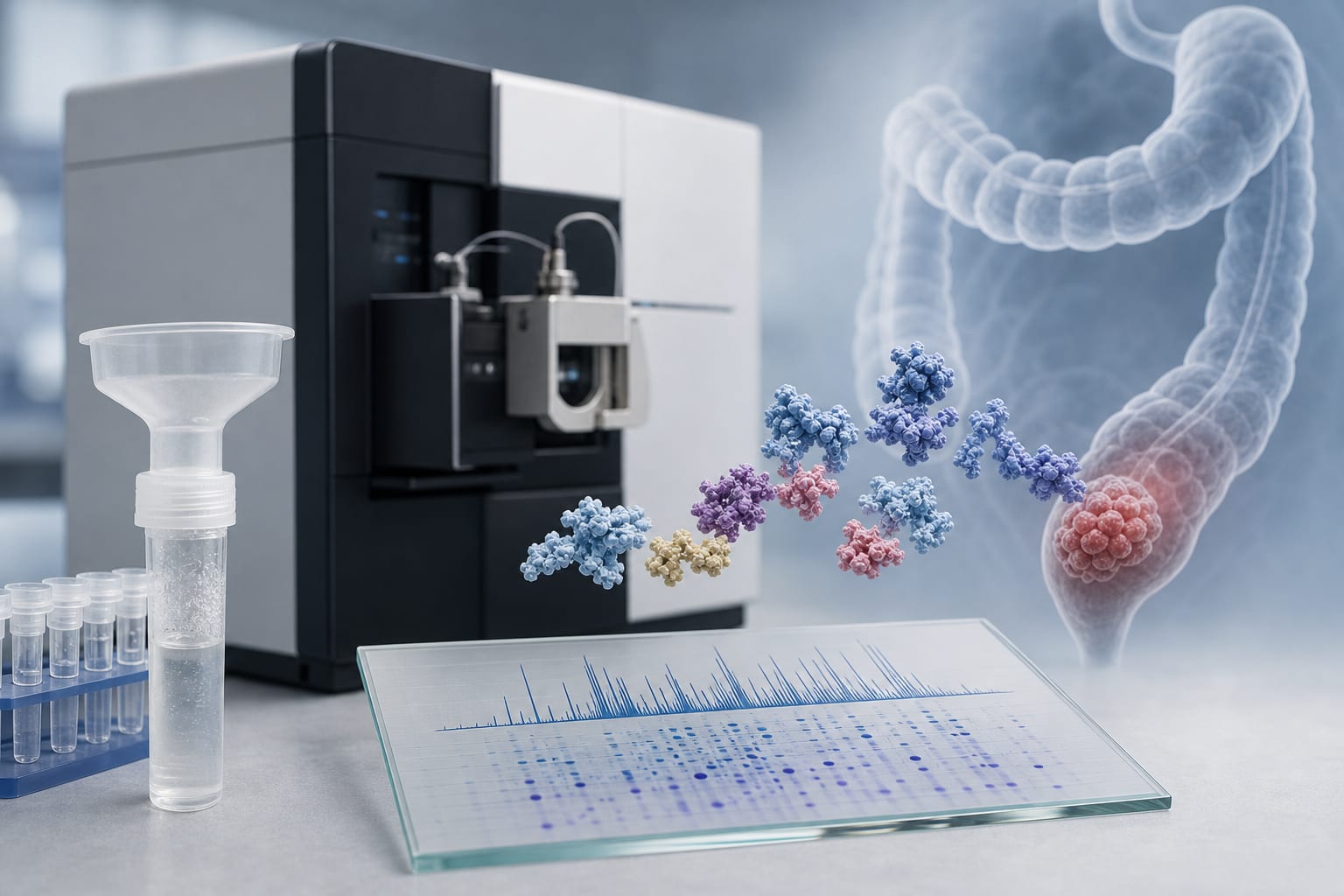
Colorectal cancer (CRC) is a leading cause of cancer-related mortality worldwide, with a significant proportion of cases being diagnosed at advanced stages. Early detection is crucial for improving outcomes, yet traditional screening methods have limitations in sensitivity. The gut microbiome presents a novel avenue for non-invasive biomarkers.
Data Highlights
Biomarker Type
AUROC
CRC
0.89
Adenoma
0.80
Key Findings
27 studies were included in the systematic review.
A negative relationship was observed between sample size and reported AUROC, suggesting potential overfitting.
Age difference between cases and controls was a significant moderator of diagnostic performance (p = 0.009).
Fusobacterium nucleatum, Parvimonas micra, and Peptostreptococcus stomatis were enriched in CRC cases.
Butyrate producers like Roseburia spp. and Faecalibacterium prausnitzii were found to be depleted in CRC patients.
Clinical Implications
The findings highlight the need to consider host-specific factors, particularly age, when developing microbiome-based diagnostic models for CRC.
Conclusion
Gut microbiome-based biomarkers have potential for CRC diagnosis, but confounding factors like age must be addressed to improve their clinical utility.