Conexiant’s news site is now MDSpire News. Learn more
Advertisement
Asymptomatic Three-Vessel Coronary Artery Disease Treated With Minimally Invasive CABG
For many people, cardiovascular disease develops silently. It can remain undetected for years, overshadowed by an active lifestyle and an apparent lack of symptoms.
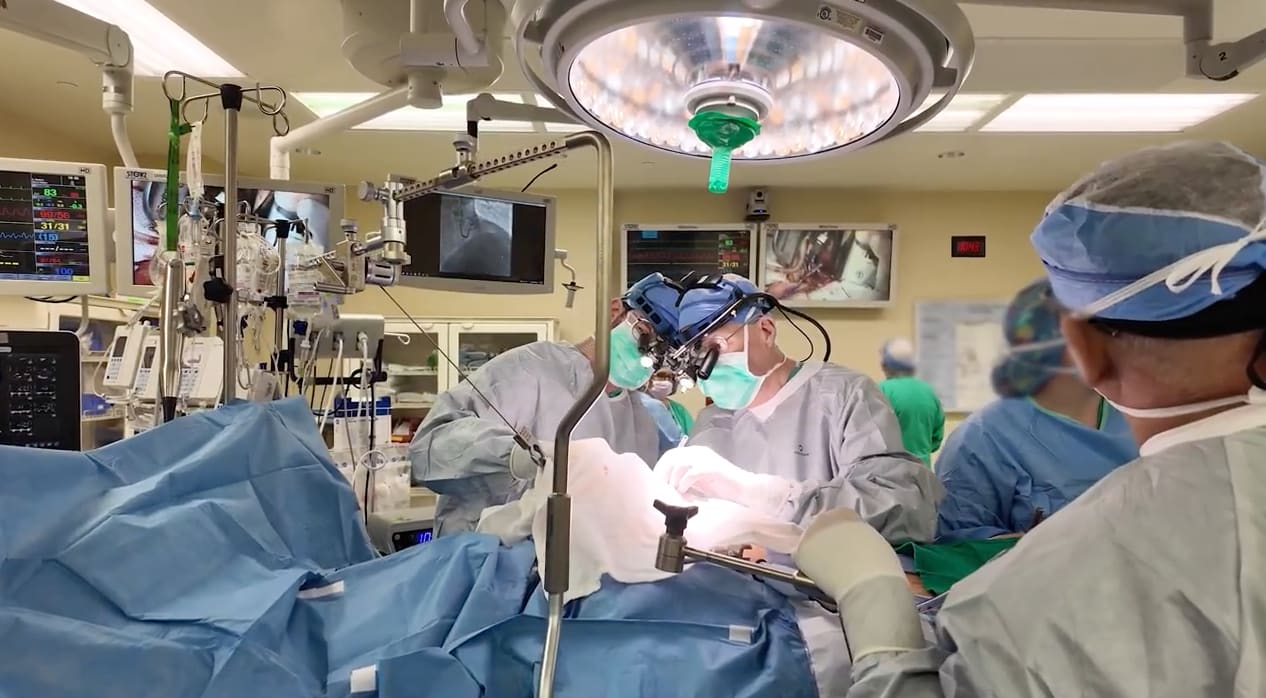
This report discusses the case of a 70-year-old patient with asymptomatic three-vessel coronary artery disease who underwent the McGinn Technique for minimally invasive coronary artery bypass grafting (CABG). The procedure allowed for a rapid recovery, enabling the patient to participate in his daughter's wedding just one month post-surgery.
Background
Asymptomatic coronary artery disease (CAD) poses significant risks, as patients may remain unaware of severe blockages until critical events occur. The McGinn Technique offers a minimally invasive alternative to traditional CABG, reducing recovery time and postoperative pain. Understanding innovative surgical approaches is essential for improving outcomes in patients with advanced CAD.
Data Highlights
No numerical data provided in the article.
Key Findings
The McGinn Technique allows for small incisions between the ribs, avoiding sternotomy.
Patients can stand and walk the same day or the day after surgery.
Hospital discharge typically occurs within two to four days post-surgery.
Patients can return to normal activities, including driving and exercising, within eight to ten days.
Minimally invasive CABG significantly reduces overall trauma to the body compared to traditional methods.
Clinical Implications
The McGinn Technique represents a significant advancement in the surgical management of severe CAD, particularly for asymptomatic patients. Clinicians should consider this approach for eligible patients to enhance recovery and quality of life post-surgery.
Conclusion
Minimally invasive CABG techniques like the McGinn Technique provide effective treatment options for patients with severe coronary artery disease, facilitating quicker recovery and improved postoperative outcomes.