Outcomes of Surgical Intervention Following Preventive Mastectomy in BRCA1/2 Mutation Carriers
Overview
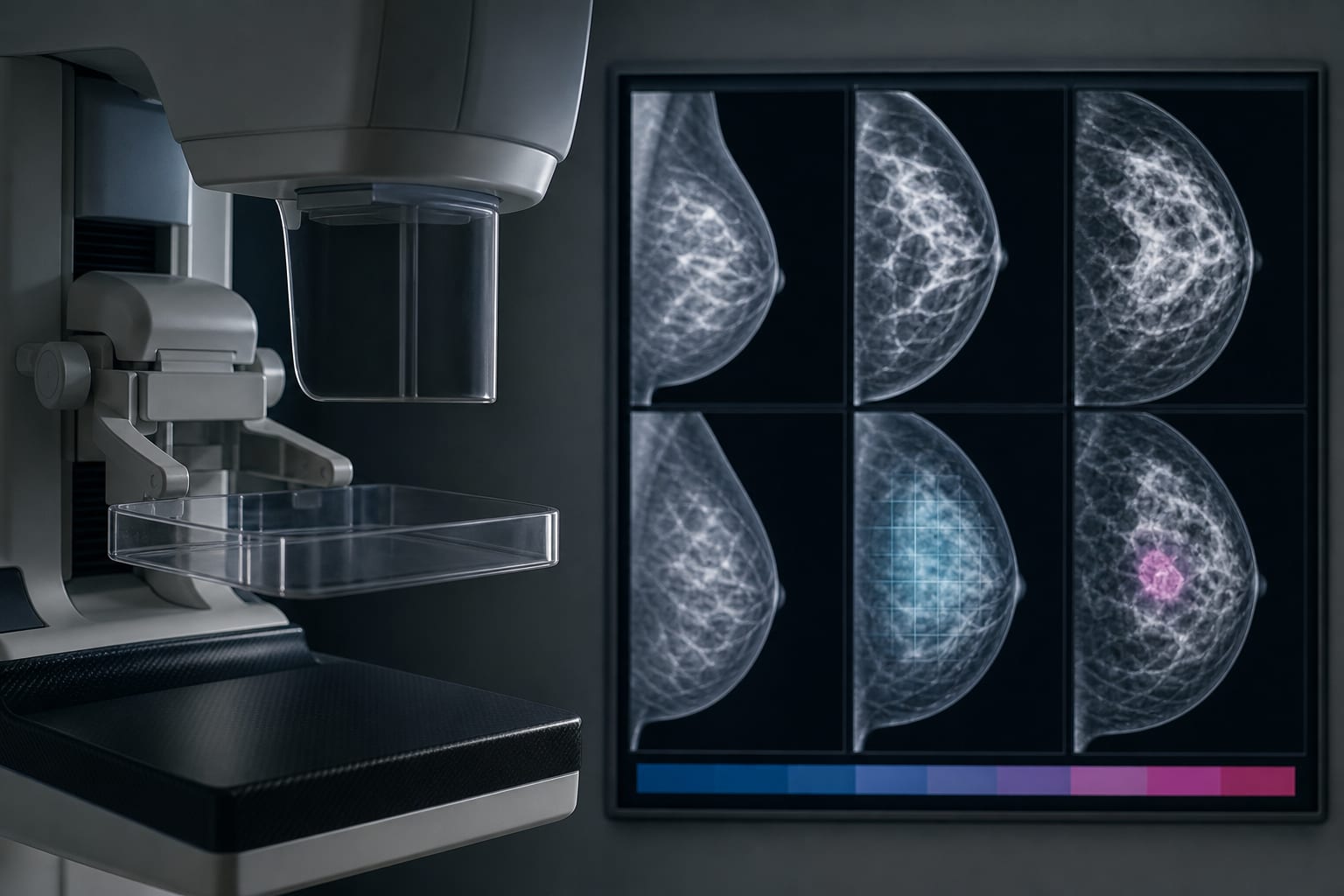
This nationwide Swedish cohort study evaluated surgical outcomes after risk-reducing mastectomy (RRM) in women with BRCA1/2 germline pathogenic variants. The study analyzed breast cancer incidence, mastectomy and reconstruction techniques, and postoperative complications, demonstrating low breast cancer occurrence post-RRM and comparable oncologic safety of skin- and nipple-sparing mastectomies.
Background
Breast cancer constitutes 25% of cancer cases among women, with BRCA1/2 germline pathogenic variants accounting for approximately 2.4% of all breast cancers. Women with BRCA1/2 mutations face high lifetime risks of breast and ovarian cancers, prompting guidelines recommending intensified surveillance and risk-reducing surgeries, including mastectomy and salpingo-oophorectomy. Risk-reducing mastectomy (RRM) can reduce breast cancer incidence by over 90%, but the extent of tissue resection and choice of mastectomy technique remain debated due to concerns about residual breast tissue and oncologic safety. This study aimed to assess long-term surgical outcomes and safety of RRM in this high-risk population.
Data Highlights
Parameter
Value
Cohort size
3375 women with confirmed BRCA1/2 gPVs
Follow-up period
1994 to 2022 (breast cancer), 2023 (surgeries/survival)
Breast cancer incidence after bilateral RRM
Approximately 1.9% after 3 to 14 years
Breast cancer risk reduction with bilateral RRM
90% or more
Definition of major surgical postoperative complication (msPOC)
Complication requiring procedure or readmission within 30 days
Key Findings
Bilateral risk-reducing mastectomy (RRM) reduces breast cancer incidence by over 90% in BRCA1/2 mutation carriers.
Primary breast cancer after bilateral RRM occurred in approximately 1.9% of women during 3 to 14 years of follow-up.
Skin-sparing mastectomy (SSM) and nipple-sparing mastectomy (NSM) techniques allow immediate breast reconstruction with comparable oncologic safety to simple mastectomy.
Concerns about residual breast tissue in skin flaps or nipple-areolar complex have not translated into increased long-term breast cancer risk after SSM or NSM.
Major surgical postoperative complications were defined by bleeding, wound, infectious, or unspecified complications requiring intervention or readmission within 30 days.
The study utilized comprehensive national registries ensuring robust data linkage and follow-up.
Clinical Implications
Risk-reducing mastectomy is an effective preventive strategy for women with BRCA1/2 mutations, significantly lowering breast cancer risk. Skin- and nipple-sparing mastectomy techniques can be safely offered to facilitate immediate reconstruction without compromising oncologic outcomes. Clinicians should counsel patients on the low but present risk of primary breast cancer post-RRM and monitor for surgical complications within the early postoperative period.
Conclusion
This large, register-based cohort study confirms that risk-reducing mastectomy, including skin- and nipple-sparing approaches, provides substantial breast cancer risk reduction with acceptable surgical safety in BRCA1/2 mutation carriers. These findings support current guidelines advocating RRM as a key preventive option in this high-risk population.
References
Swedish Cancer Genetic Units et al. -- Outcomes of Surgical Intervention Following Preventive Mastectomy in BRCA1 and BRCA2 Mutation Carriers
by Rebecca Wiberg, Signe Hägglund, Barbro Numan Hellquist, Anna Rosén, Annika Idahl, Maria Mani, Svetlana Bajalica-Lagercrantz, Hans Ehrencrona, Per Karlsson, Niklas Loman, Malin Sund, Swedish BRCA Study Group, Åke Borg, Anna Öfverholm, Anna von Wachenfeldt, Christina Edwinsdotter Ardnor, Ekaterina Kuchinskaya, Johanna Rantala, Ylva Karlsson