Adoption of Artificial Intelligence–Based Precision Mental Health Technologies Among Psychology Trainees: Mixed Methods Cross-Sectional Survey Study - Report - MDSpire
Advertisement
Adoption of Artificial Intelligence–Based Precision Mental Health Technologies Among Psychology Trainees: Mixed Methods Cross-Sectional Survey Study
Integration of AI-Driven Precision Mental Health Solutions Among Psychology Students
Background
The global prevalence of mental disorders is rising, with significant implications for mental health care systems. Traditional therapeutic approaches have seen little improvement in effectiveness over the past decades, and many individuals do not receive necessary treatment.
Data Highlights
No numerical or trial data is provided in the source material.
Key Findings
One in two individuals will develop a mental disorder at some point in their lives.
Only one-third of treated patients achieve full remission from mental disorders.
Structural barriers such as long waiting lists and a shortage of professionals hinder treatment access.
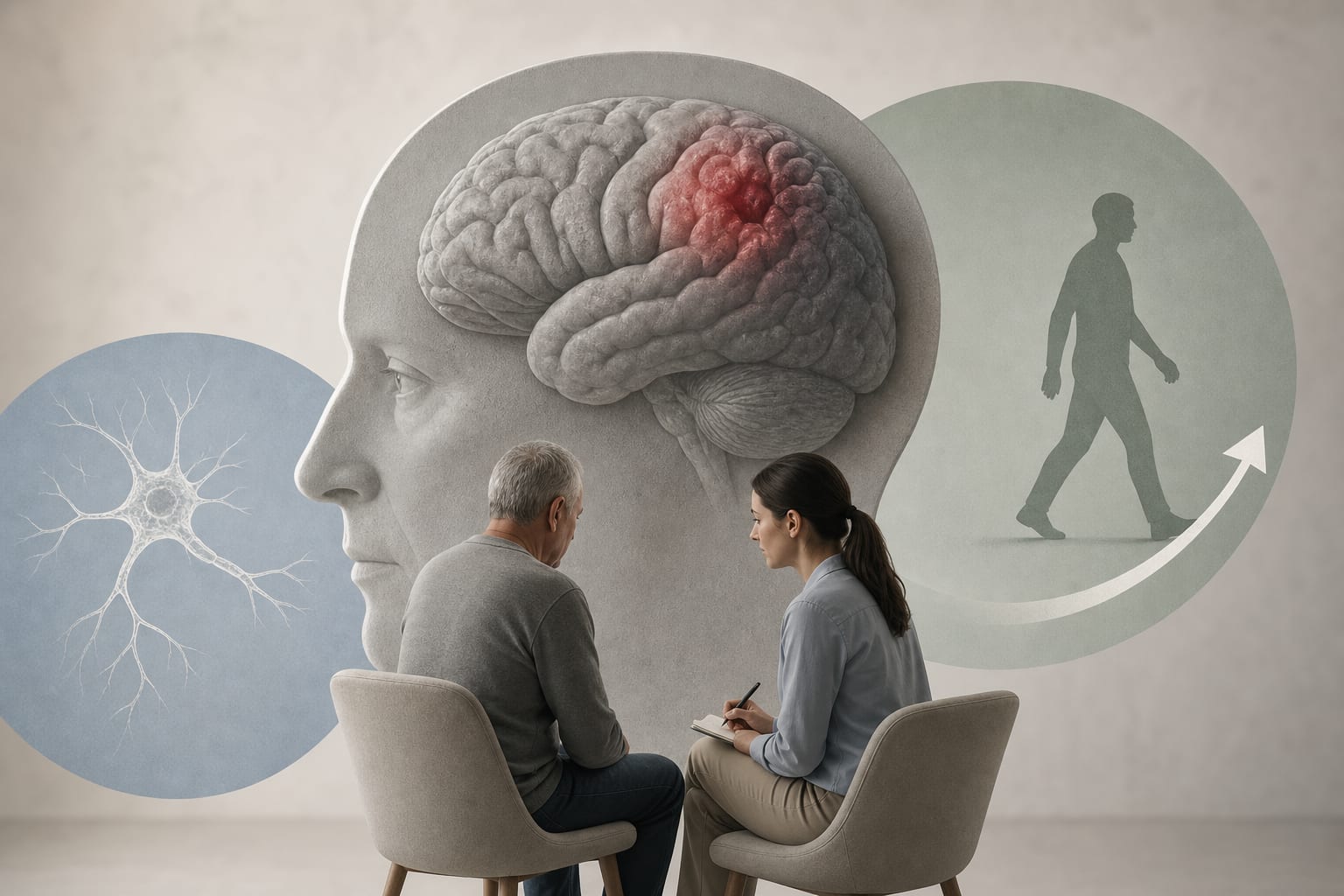
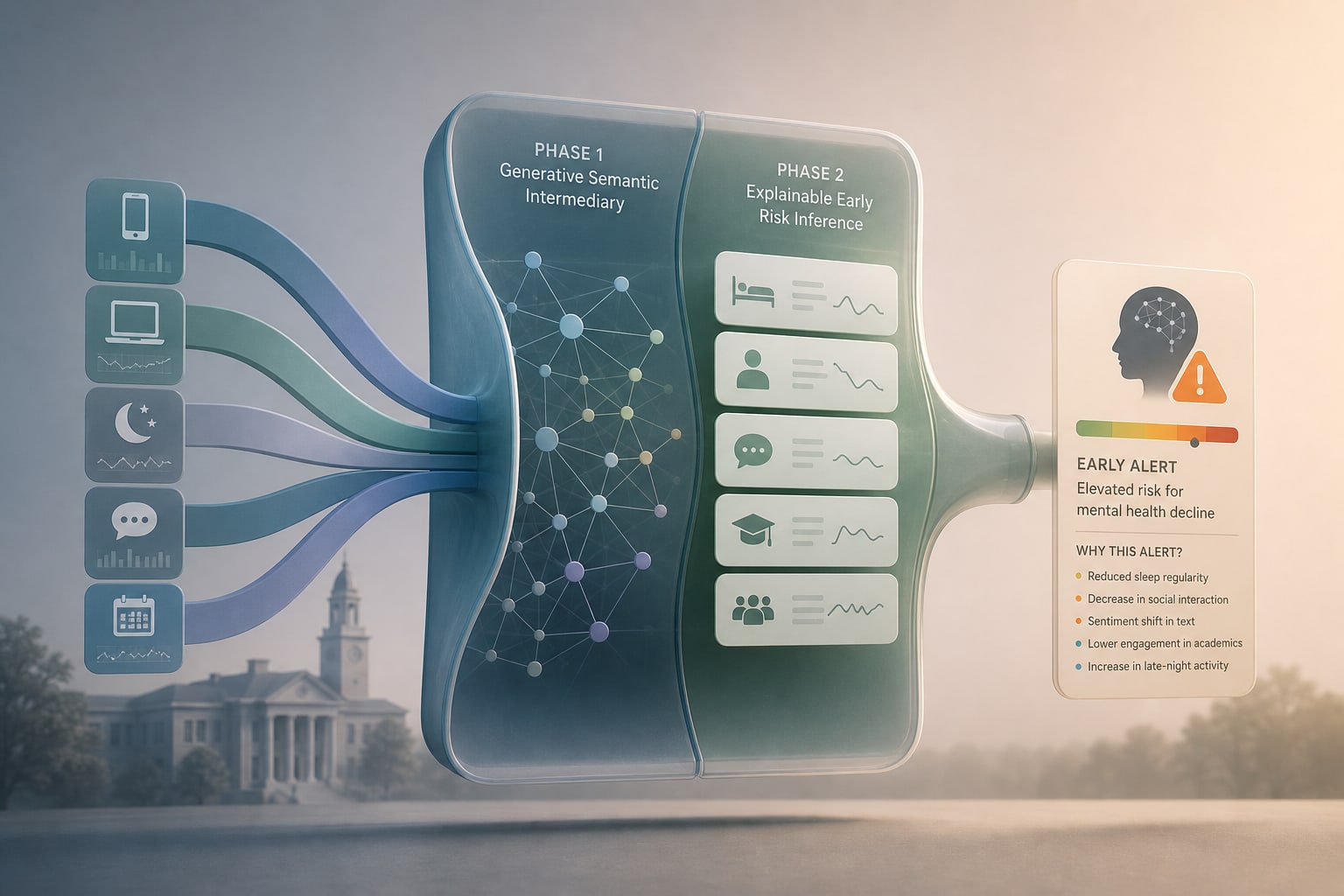
AI technologies can support measurement-based care and personalized interventions in mental health.
Digital mental health interventions are particularly promising for younger populations.
Clinical Implications
Mental health professionals may consider leveraging AI technologies to better meet the needs of their patients.
Conclusion
The integration of AI-driven precision mental health solutions could lead to more effective and personalized care.