Clinical Report: Impairment of T cell function and metabolic alterations in persistent hepatitis C virus infection
Overview
Chronic hepatitis C virus (HCV) infection leads to significant T cell dysfunction and metabolic alterations. Despite effective antiviral treatments, these immune defects may persist post-eradication due to stable epigenetic changes.
Background
HCV infection is a major global health issue, causing chronic liver disease and complications such as cirrhosis and hepatocellular carcinoma. The persistence of HCV is linked to immune evasion mechanisms and T cell dysfunction.
Data Highlights
No numerical data available in the source material.
Key Findings
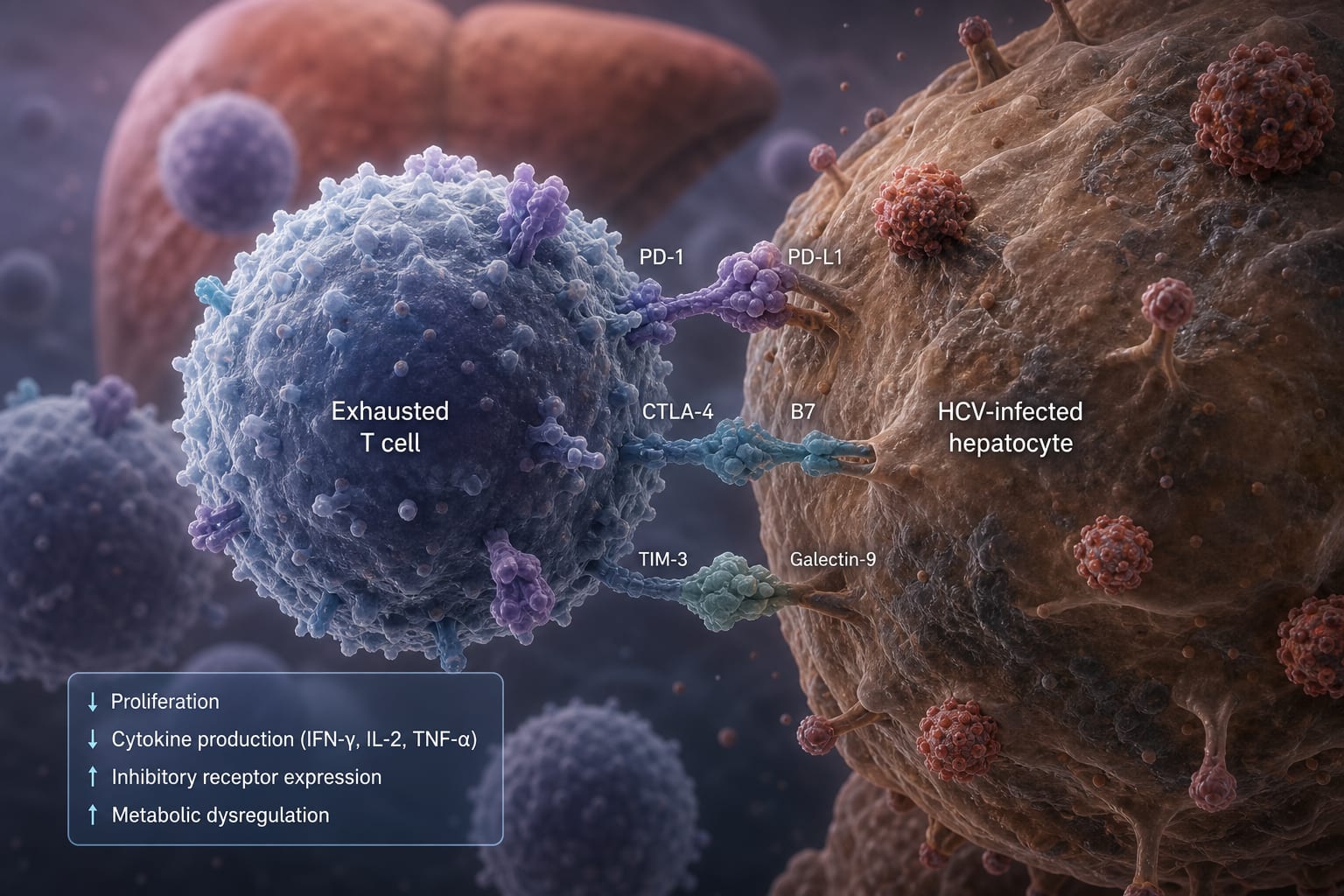
Chronic HCV infection results in T cell exhaustion characterized by reduced proliferation and impaired cytokine production.
Increased expression of inhibitory receptors such as PD-1, CTLA-4, TIM-3, and TIGIT is observed in exhausted T cells.
Intrahepatic accumulation of regulatory T cells further suppresses antiviral immune responses.
Chronic HCV infection induces metabolic dysfunction, including oxidative stress and impaired bioenergetics, affecting T cell responses.
Some immune defects persist even after viral eradication due to transcriptional and epigenetic changes in exhausted T cells.
Clinical Implications
Clinicians should be aware that T cell dysfunction may persist in patients even after successful HCV treatment, potentially impacting long-term outcomes. Strategies that address both antiviral and immunomodulatory aspects may be necessary for comprehensive management.
Conclusion
The interplay between T cell dysfunction and metabolic alterations in chronic HCV infection highlights the complexity of immune responses.
The nurse practitioner profession claims the No. 1 spot across three categories in the U.S. News & World Report 2026 Best Jobs rankings for the third consecutive year.