Primary sclerosing epithelioid fibrosarcoma of the iliac fossa: a case report - Report - MDSpire

Primary sclerosing epithelioid fibrosarcoma of the iliac fossa: a case report

  • By

  • Mengping Li

  • Zhen Chong

  • Yuan Jin

  • Yueqin Chen

  • Shujun Zhang

  • May 28, 2026

  • 0 min

Share

Clinical Report: Case Study of Primary Sclerosing Epithelioid Fibrosarcoma

Overview

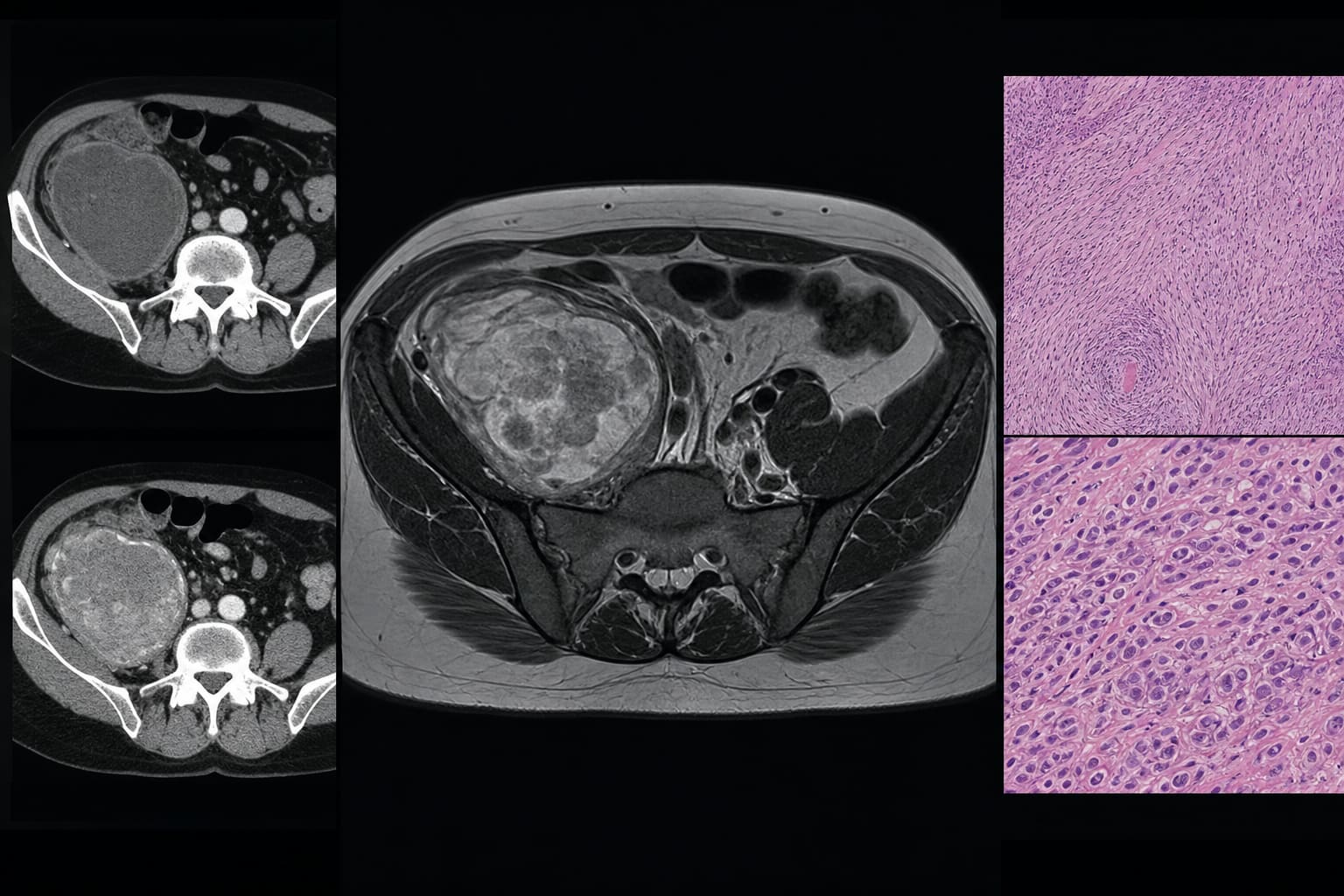
This report details a rare case of primary sclerosing epithelioid fibrosarcoma (SEF) located in the iliac fossa of a 53-year-old man. The diagnosis was confirmed through multimodal imaging and histopathological examination, with no evidence of recurrence during short-term follow-up.

Background

Sclerosing epithelioid fibrosarcoma (SEF) is an exceedingly rare and aggressive fibroblastic malignancy, representing less than 1% of all soft tissue sarcomas. Its primary occurrence in the retroperitoneal iliac fossa is exceptionally uncommon, posing significant diagnostic challenges due to overlapping imaging features with other tumors. Accurate diagnosis and management are critical, as SEF is relatively insensitive to chemotherapy and radiotherapy, necessitating radical surgical resection.

Data Highlights

No numerical or trial data available in the article.

Key Findings

  • SEF is a rare fibroblastic malignancy with aggressive potential.
  • This case represents the second documented instance of SEF in the iliac fossa.
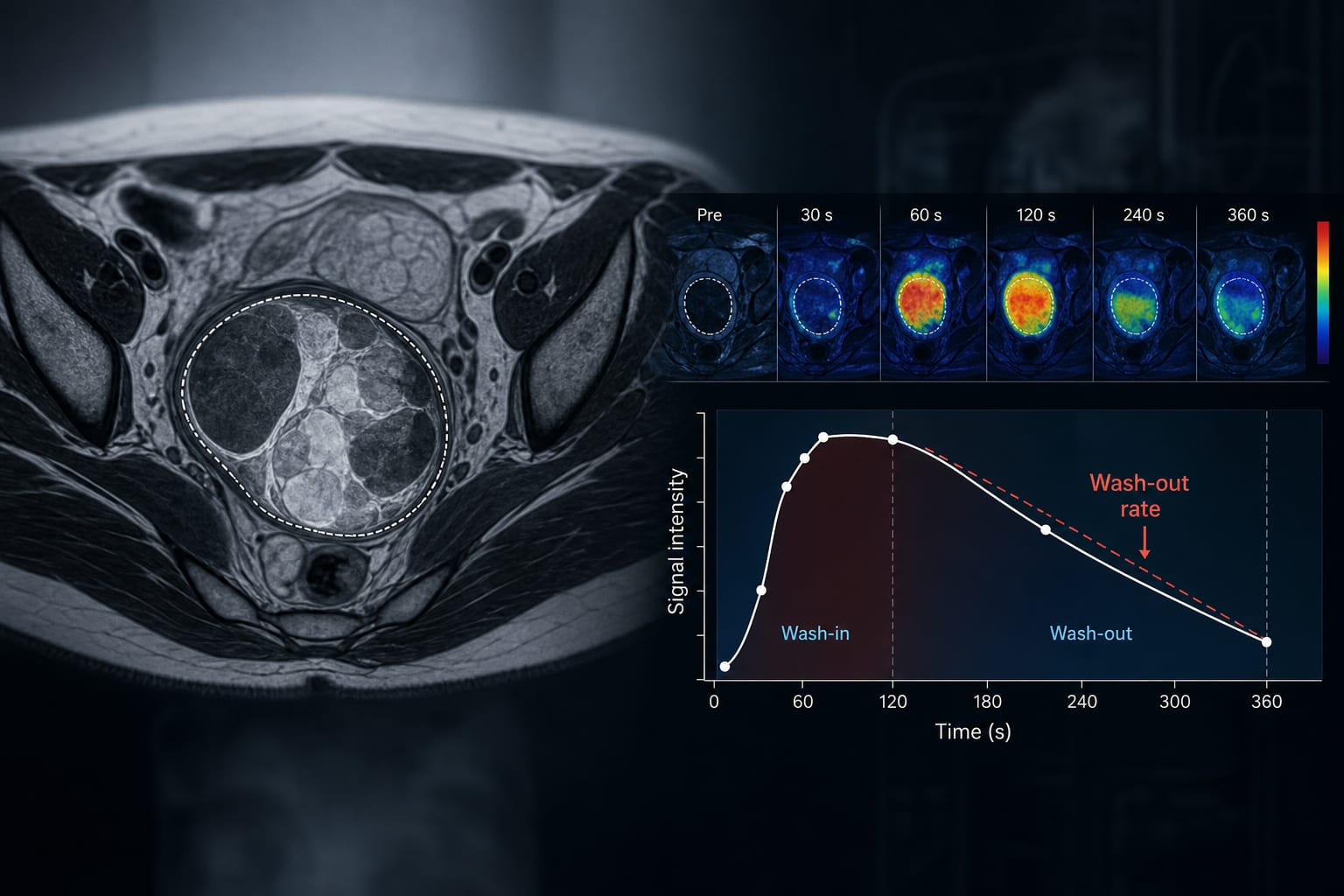
  • Imaging features included heterogeneous low density on CT and mixed hyperintensity on MRI.
  • Histopathological examination confirmed the diagnosis of SEF.
  • No local recurrence or metastasis was observed during 10 months of follow-up.

Clinical Implications

Clinicians should consider SEF in the differential diagnosis of deep-seated soft-tissue masses, especially in atypical locations like the iliac fossa. Accurate preoperative imaging and histopathological confirmation are essential for effective management, as radical surgical resection remains the primary treatment strategy.

Conclusion

This case underscores the importance of recognizing the imaging characteristics of SEF and the necessity for histopathological confirmation in atypical presentations. Continued monitoring is vital to detect any late recurrence or metastasis.

Related Resources & Content

  1. Clinical and Molecular Characterization of Primary Sclerosing Epithelioid Fibrosarcoma of Bone and Review of the Literature - PMC
  2. Management of multifocal and metastatic retroperitoneal sarcoma: an updated consensus approach from the transatlantic australasian retroperitoneal sarcoma working group (TARPSWG) - PubMed
  3. Frontiers in Oncology — Case Report: Primary sciatic leiomyosarcoma in a patient with neurofibromatosis type 1
  4. Mesorectal Solitary Fibrous Tumor: A Case Report and Review of Transanal Minimally Invasive Surgical Resection Literature
  5. Journal of Gastrointestinal Surgery — Hepatic Osteosarcoma: A Rare Primary Tumor with Successful Surgical Intervention
  6. Journal of Neuro-Oncology — Treatment of Secondary Brain Stem Fibrosarcoma with Cyclophosphamide and Imatinib
  7. Clinical and Molecular Characterization of Primary Sclerosing Epithelioid Fibrosarcoma of Bone and Review of the Literature - PMC
  8. Management of multifocal and metastatic retroperitoneal sarcoma: an updated consensus approach from the transatlantic australasian retroperitoneal sarcoma working group (TARPSWG) - PubMed

Original Source(s)

Related Content