Structural and functional dissection of neutralisation differences among SARS-CoV-2 variants using antigenicity prediction and CR3022 binding analysis - Report - MDSpire
Conexiant’s news site is now MDSpire News. Learn more
Advertisement
Analysis of Structural and Functional Variations in Neutralization Among SARS-CoV-2 Variants Through Antigenicity Prediction and CR3022 Binding Assessment
Clinical Report: Analysis of Structural and Functional Variations in Neutralization Among SARS-CoV-2 Variants
Overview
This study evaluates the neutralization responses of SARS-CoV-2 variants across different immune exposure cohorts.
Background
The emergence of SARS-CoV-2 variants has implications for vaccine efficacy and antibody responses. Variants with mutations in the spike glycoprotein can alter antigenicity, affecting the ability of neutralizing antibodies to recognize and neutralize the virus.
Data Highlights
No numerical data available in the source material.
Key Findings
Neutralization responses varied significantly across cohorts (naturally infected, vaccinated, and vaccinated-infected).
Individuals in the vaccinated cohort exhibited higher neutralization titres compared to others.
Variants B.1.617.2 (Delta) and B.1.1.529 (Omicron) showed reduced susceptibility to neutralization by infection-elicited antibodies.
Computational analyses revealed variant-associated differences in predicted antigenicity and epitope landscapes within the receptor-binding domain (RBD) and N-terminal domain (NTD).
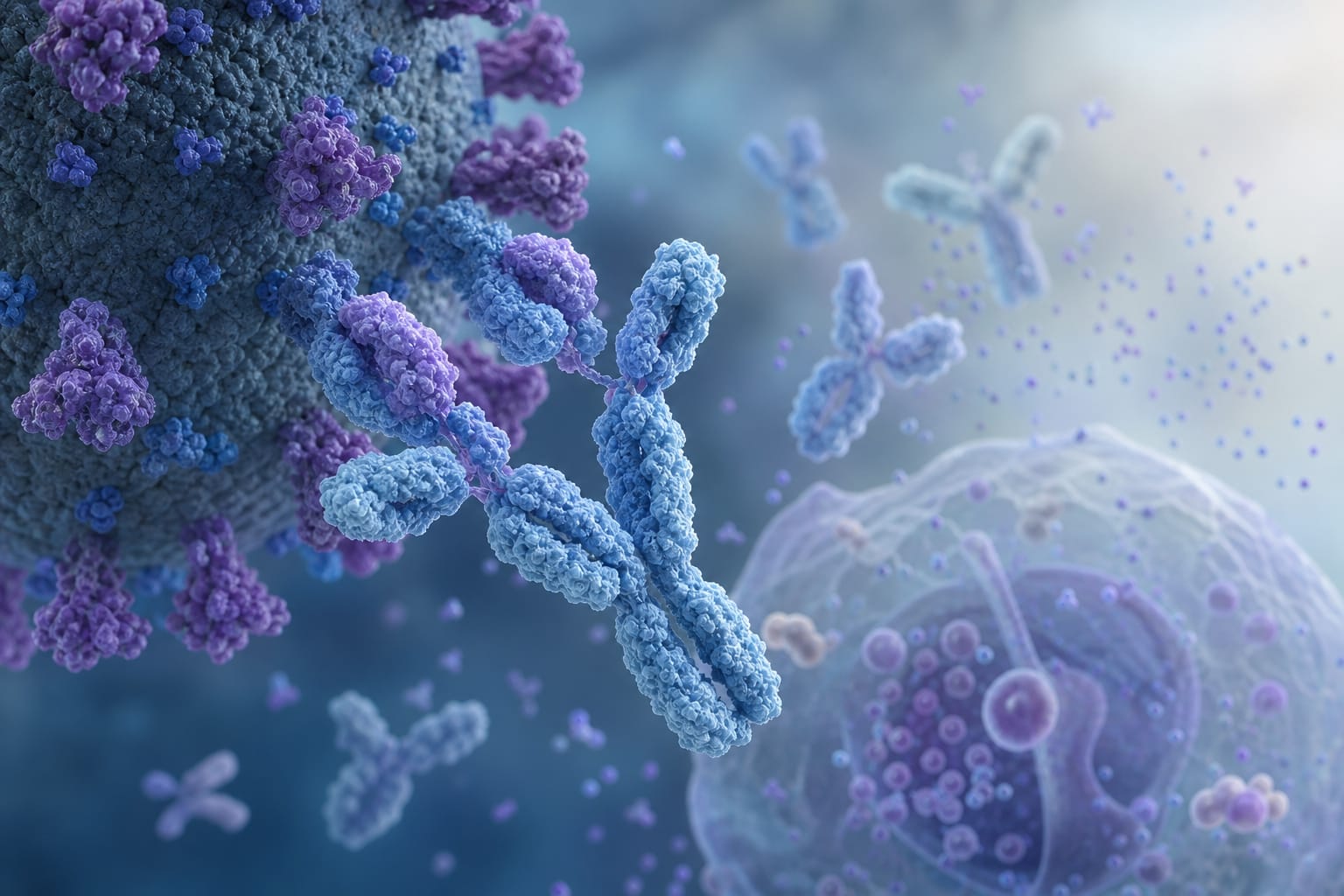
Spike mutations influenced the interaction interface between the CR3022 monoclonal antibody and variant RBDs.
Clinical Implications
The findings underscore the importance of monitoring SARS-CoV-2 variants to inform vaccine development and therapeutic strategies. Understanding the neutralization landscape can help in tailoring interventions for different populations based on their immune exposure history.
Conclusion
This study characterizes neutralization responses to SARS-CoV-2 variants.