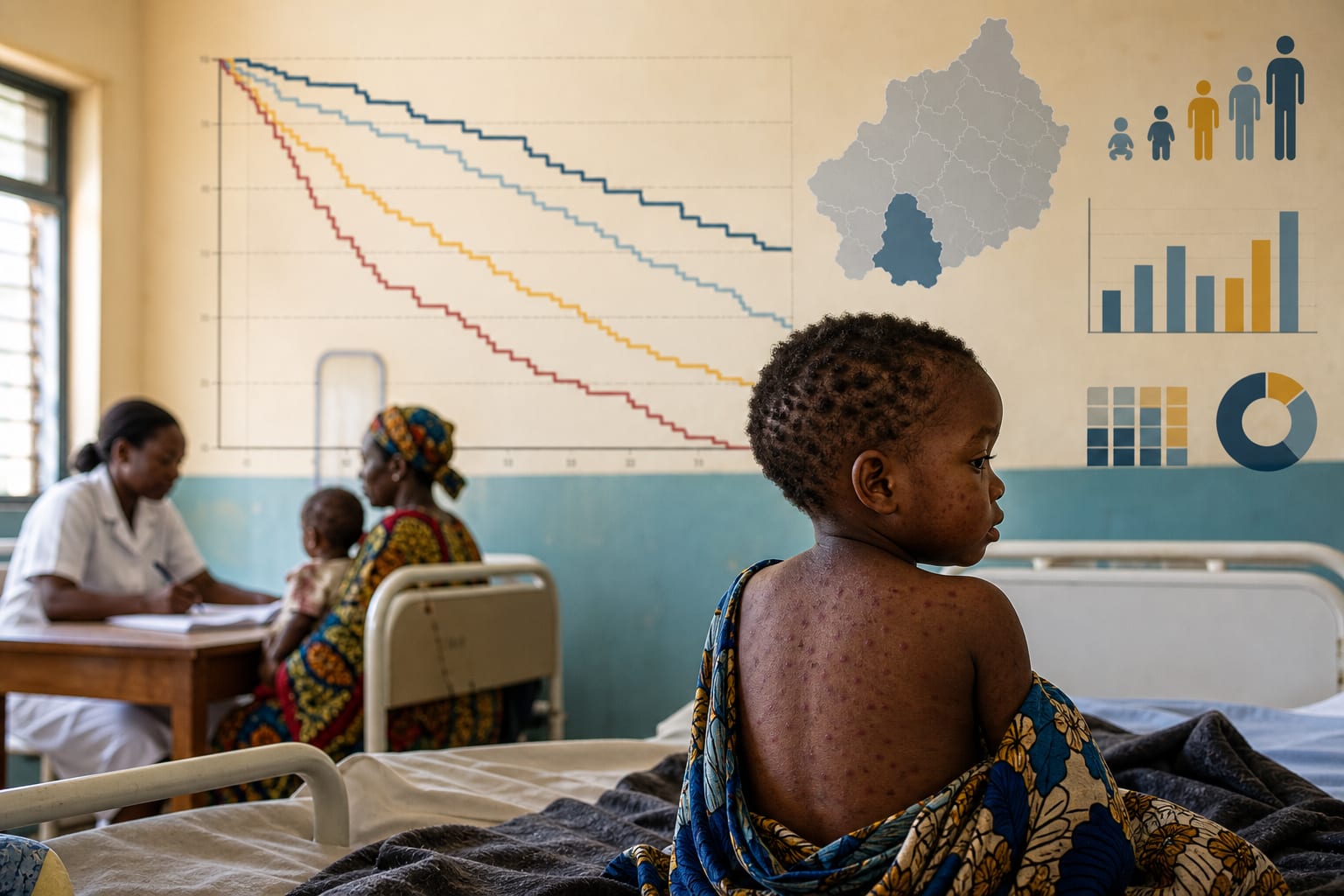
Clinical Report: Clinical and Imaging Characteristics of Severe Mpox
Overview
This report analyzes the clinical and imaging characteristics of 16 severe mpox cases in Beijing, highlighting the impact of HIV co-infection. The findings underscore the need for early diagnosis and targeted public health interventions.
Background
Mpox, caused by the monkeypox virus, has transitioned from a regional epidemic in Africa to a global health concern, with significant transmission among men who have sex with men (MSM). Severe cases, particularly in immunocompromised individuals, can lead to serious complications and increased mortality. Understanding the clinical and imaging features of severe mpox is crucial for effective management and treatment.
Data Highlights
No numerical data available in the source material.
Key Findings
Severe mpox cases often present with disseminated and necrotizing infections affecting multiple organs.
High rates of co-infection with HIV were observed, with over half of the patients in the study being HIV-positive.
Imaging plays a critical role in diagnosing severe cases and monitoring complications.
Classic symptoms include rash, fever, and lymphadenopathy, with severe cases exhibiting pulmonary and gastrointestinal complications.
Severe mpox is associated with a significantly increased mortality rate, especially in immunocompromised patients.
Clinical Implications
Healthcare professionals should be vigilant in identifying severe mpox cases, particularly among HIV-positive individuals. Early diagnosis and appropriate imaging can facilitate timely interventions and improve patient outcomes.
Conclusion
The study provides valuable insights into the clinical and imaging characteristics of severe mpox, emphasizing the importance of targeted public health strategies and early intervention in at-risk populations.
Updated 2025-2026 vaccination was linked to added protection in a CDC-funded analysis that became part of a broader debate over routine vaccine monitoring.