Immune niche-associated and niche-regulated plasticity in glioblastoma: state transitions, immune escape, and therapeutic vulnerabilities - Report - MDSpire
Advertisement
Immune niche-associated and niche-regulated plasticity in glioblastoma: state transitions, immune escape, and therapeutic vulnerabilities
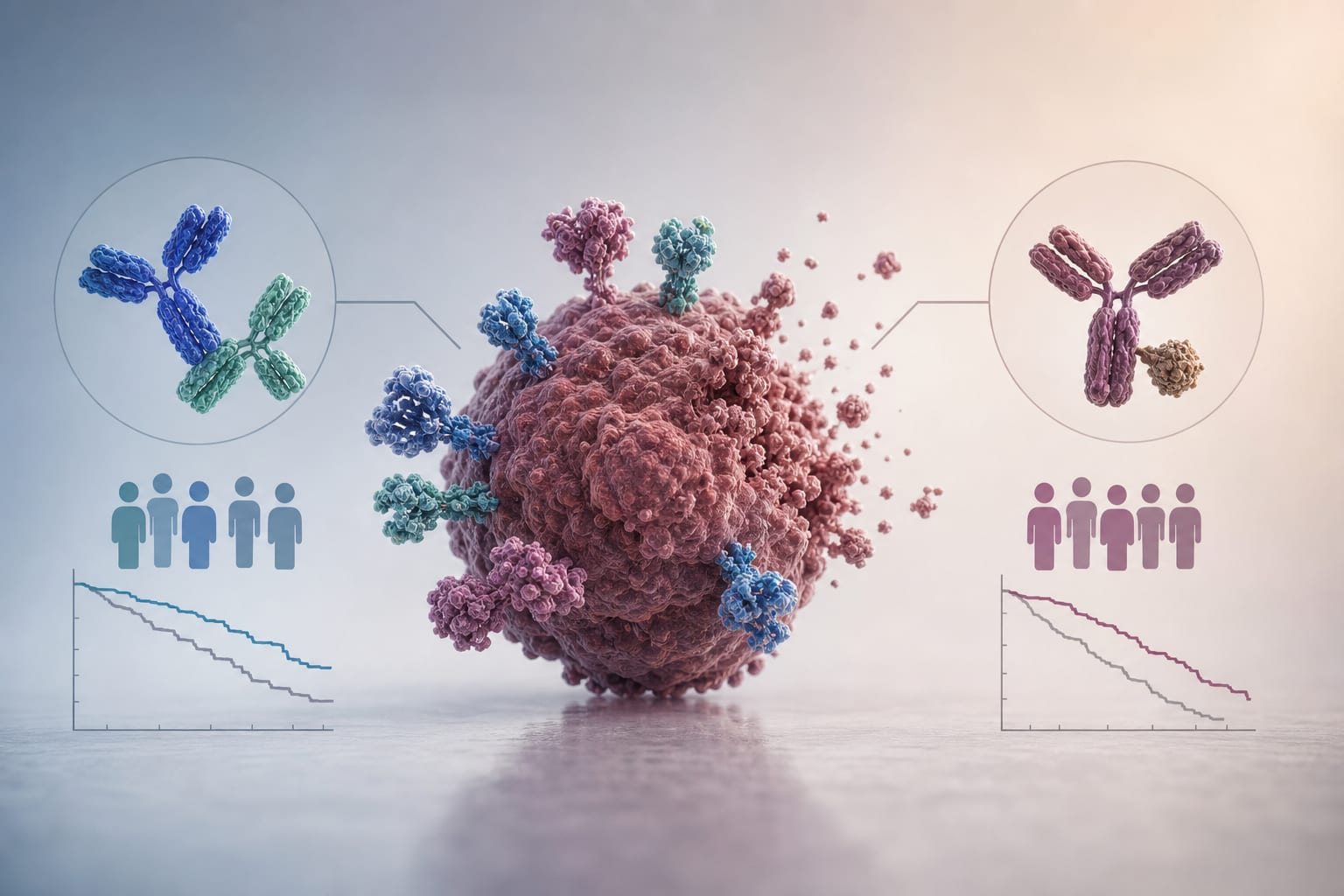
Plasticity in Glioblastoma Driven by Immune Microenvironment
Overview
This review discusses the significant role of the immune microenvironment in glioblastoma (GBM) plasticity, highlighting how immune interactions influence tumor cell-state transitions and contribute to treatment resistance.
Background
Glioblastoma is the most aggressive form of diffuse glioma and is characterized by high recurrence rates and resistance to therapy. Understanding the tumor microenvironment, particularly the immune components, is critical as it plays a significant role in tumor behavior and treatment outcomes.
Data Highlights
No numerical data or trial data presented in the article.
Key Findings
GBM cells exhibit plasticity, shifting among various states influenced by immune and therapeutic pressures.
Tumor-associated macrophages and microglia contribute to the maintenance of immunosuppressive ecosystems within GBM.
Adaptive reprogramming in surviving tumor cells post-therapy fosters recurrence-associated states with increased resistance.
Single-cell and spatial studies indicate that glioma-associated myeloid cells are spatially organized within the tumor microenvironment.
Clinical Implications
Clinicians should consider the dynamic interactions between glioblastoma cells and the immune microenvironment when developing treatment strategies.
Conclusion
The review emphasizes the importance of understanding the immune microenvironment's role in glioblastoma plasticity and treatment resistance.