Prevalence of unintended pregnancy and associated factors among women attending antenatal care at a tertiary public health facility in Northern Uganda: a cross-sectional study - Report - MDSpire
Conexiant’s news site is now MDSpire News. Learn more
Advertisement
Frequency and Contributing Factors of Unplanned Pregnancies Among Women Receiving Antenatal Care at a Tertiary Public Health Center in Northern Uganda: A Cross-Sectional Analysis
Frequency and Contributing Factors of Unplanned Pregnancies in Uganda
Overview
Revise to include specific prevalence rates of unintended pregnancies as reported in the source.
Background
Unintended pregnancies pose a significant public health challenge, particularly in low- and middle-income countries where the majority occur. In Uganda, the prevalence of unintended pregnancies remains high, with estimates ranging from 40% to 70%. Understanding the factors contributing to this issue is crucial for developing effective interventions and improving maternal health outcomes.
Data Highlights
No numerical data available in the provided source material.
Key Findings
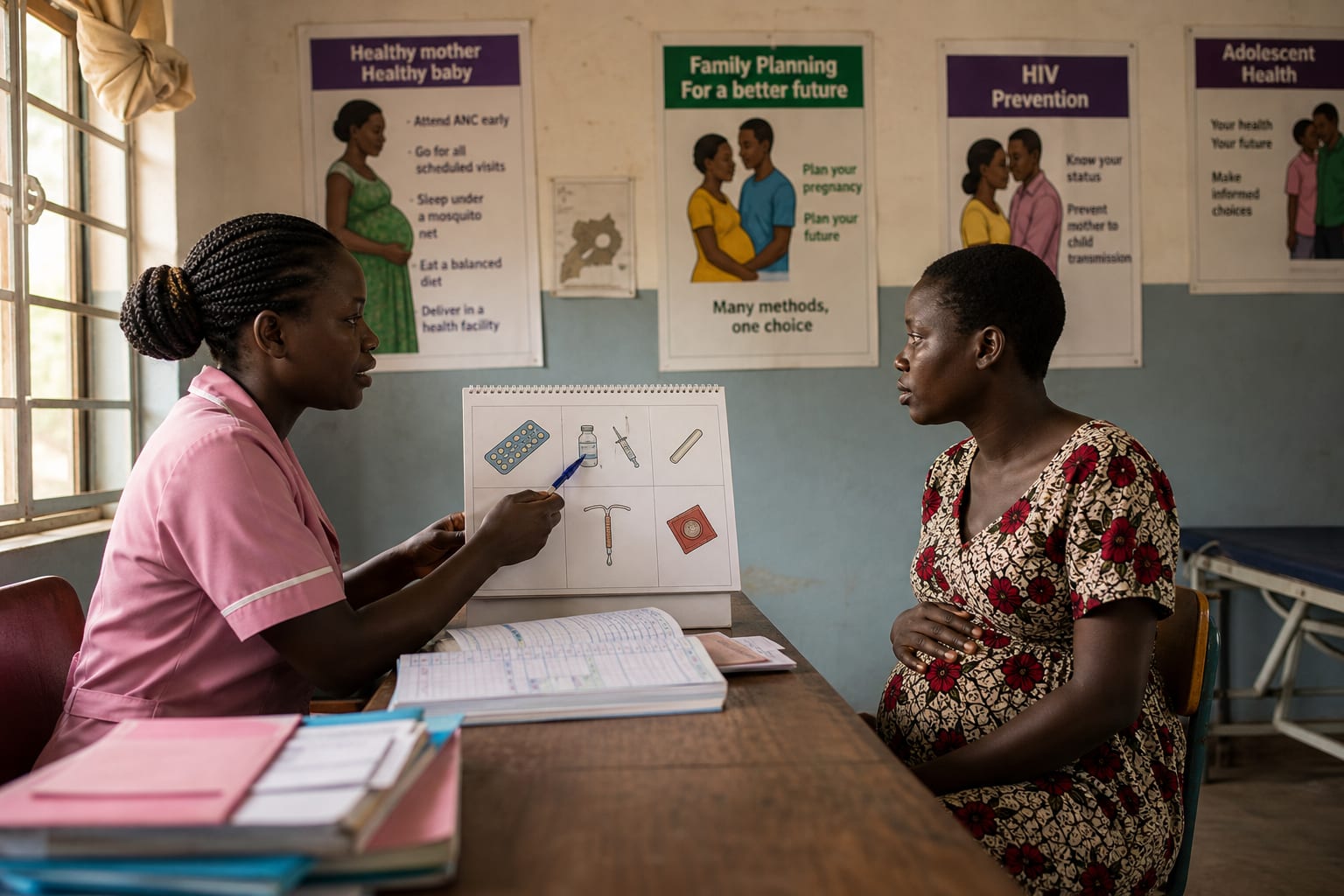
Unintended pregnancies are prevalent among women attending antenatal care in Gulu City, Uganda.
Factors contributing to unintended pregnancies include socio-economic status, male partner involvement, and communication about fertility and contraception.
High rates of unintended pregnancies are reported among vulnerable populations, including adolescents and women living with HIV.
Limited reproductive health knowledge and agency among women are significant determinants of unintended pregnancies.
Policies promoting male involvement in antenatal care have not yet led to increased participation in practice.
Clinical Implications
Healthcare providers should prioritize education on reproductive health and contraceptive options during antenatal visits. Engaging male partners in discussions about family planning and pregnancy intentions may help reduce the rates of unintended pregnancies.
Conclusion
Highlight the need for targeted interventions addressing socio-economic and gender-related barriers.
These 10 states make it more practical for physicians to participate in hospital ownership by aligning statutory structure, corporate practice of medicine rules, and population trends.
The partner in the next room, the hormone in the blister pack, the cat on the couch, the minute-long chair stand. Several new studies suggest the factor shaping outcomes may be the one clinicians aren’t routinely measuring.