Clinical Report: Joseph Fraumeni Jr.: A Trailblazer in Cancer Genetics
Overview
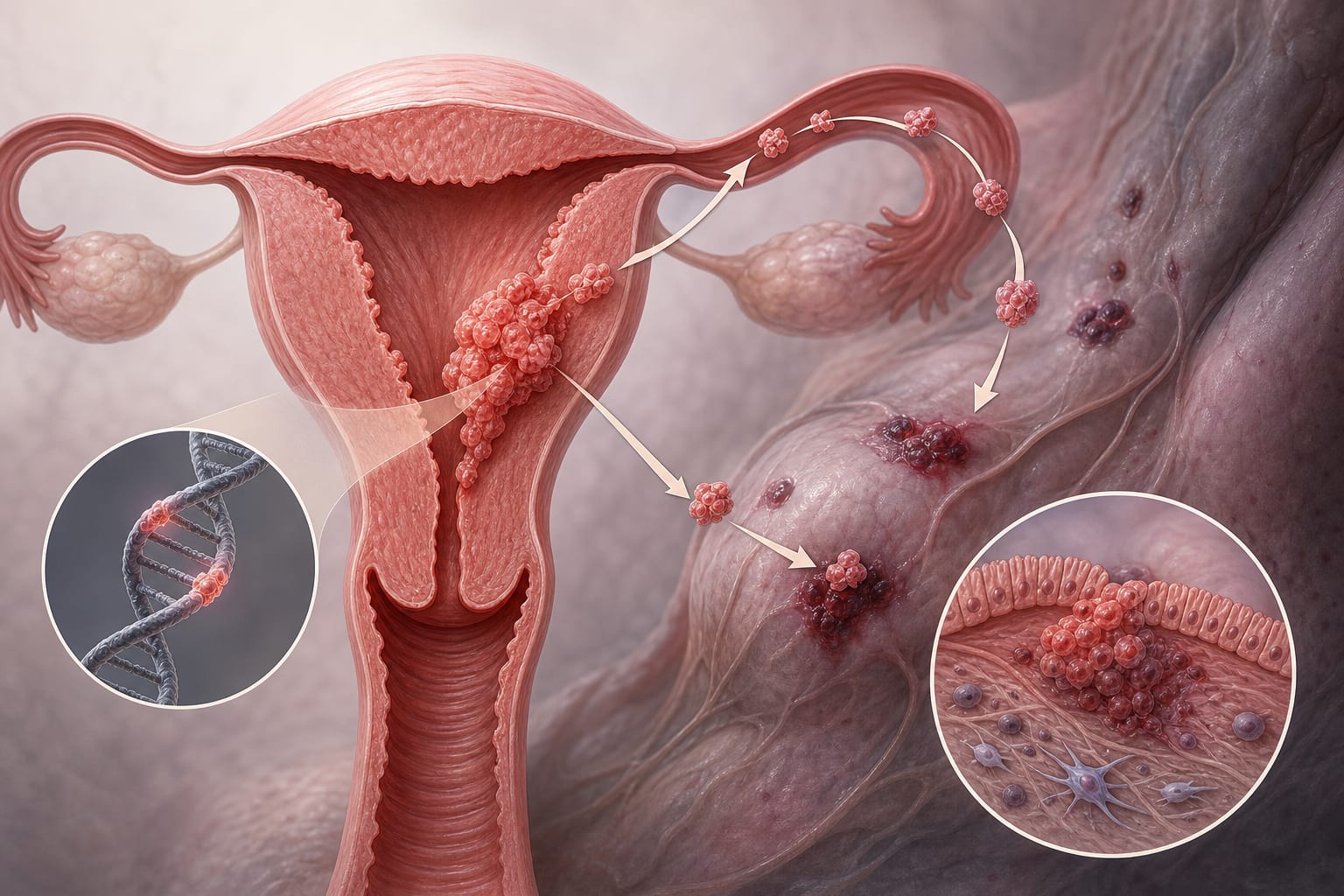
Joseph Fraumeni Jr. significantly advanced the understanding of hereditary cancers, particularly through the identification of Li-Fraumeni syndrome linked to the p53 gene mutation.
Background
Joseph Fraumeni Jr.'s pioneering research has been instrumental in establishing the framework for understanding genetic predispositions to cancer, specifically through the identification of Li-Fraumeni syndrome.
Data Highlights
Joseph Fraumeni Jr. and Frederick Pei Li's research led to the identification of the p53 gene mutation associated with Li-Fraumeni syndrome, significantly impacting cancer genetics.
Key Findings
Fraumeni and Li hypothesized the existence of a familial cancer syndrome in 1969.
The p53 gene mutation was identified as the cause of Li-Fraumeni syndrome in 1990.
Li-Fraumeni syndrome is associated with a wide range of cancers at young ages.
Rigorous screening protocols have been developed to improve early detection of malignancies in LFS patients.
Genetic testing has become more accessible, allowing for the identification of at-risk family members.
Clinical Implications
The identification of Li-Fraumeni syndrome has led to the establishment of screening protocols for early detection of cancers in affected families.
Conclusion
Joseph Fraumeni Jr.'s contributions to cancer genetics have influenced the understanding of hereditary cancer syndromes, particularly Li-Fraumeni syndrome.