Clinical Report: Gallbladder Mixed Adenoneuroendocrine Carcinoma Case Study
Background
Gallbladder neuroendocrine neoplasms (GB-NENs) are rare and often have a poor prognosis, with GB-MANEC being particularly uncommon. The dual differentiation of GB-MANEC complicates diagnosis and treatment, necessitating a multidisciplinary approach. Understanding the clinicopathological features of GB-MANEC is crucial for improving management strategies.
Data Highlights
The case report does not present numerical data or trial data.
Key Findings
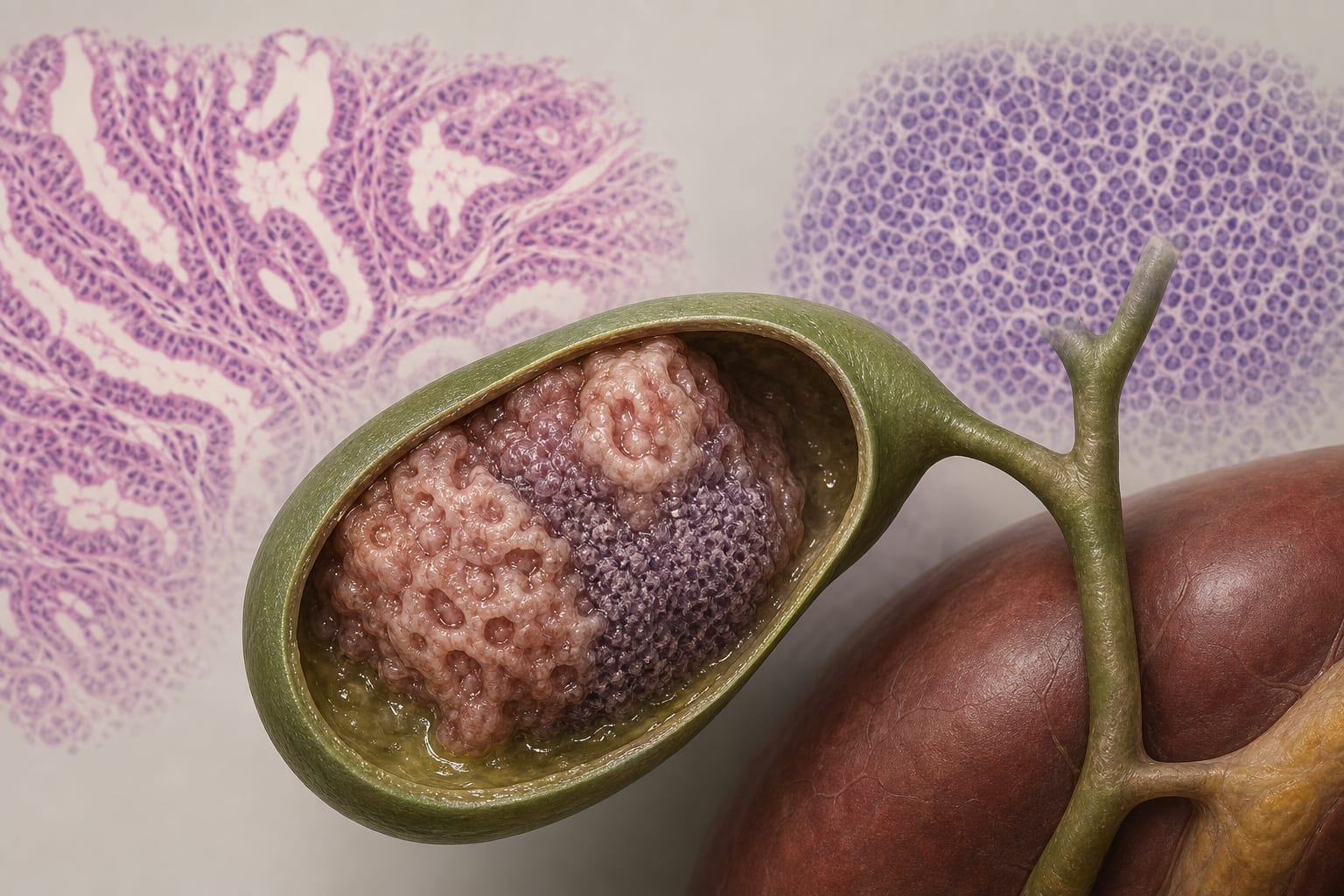
GB-MANEC is characterized by the coexistence of adenocarcinoma and neuroendocrine carcinoma components, each accounting for over 30% of the tumor.
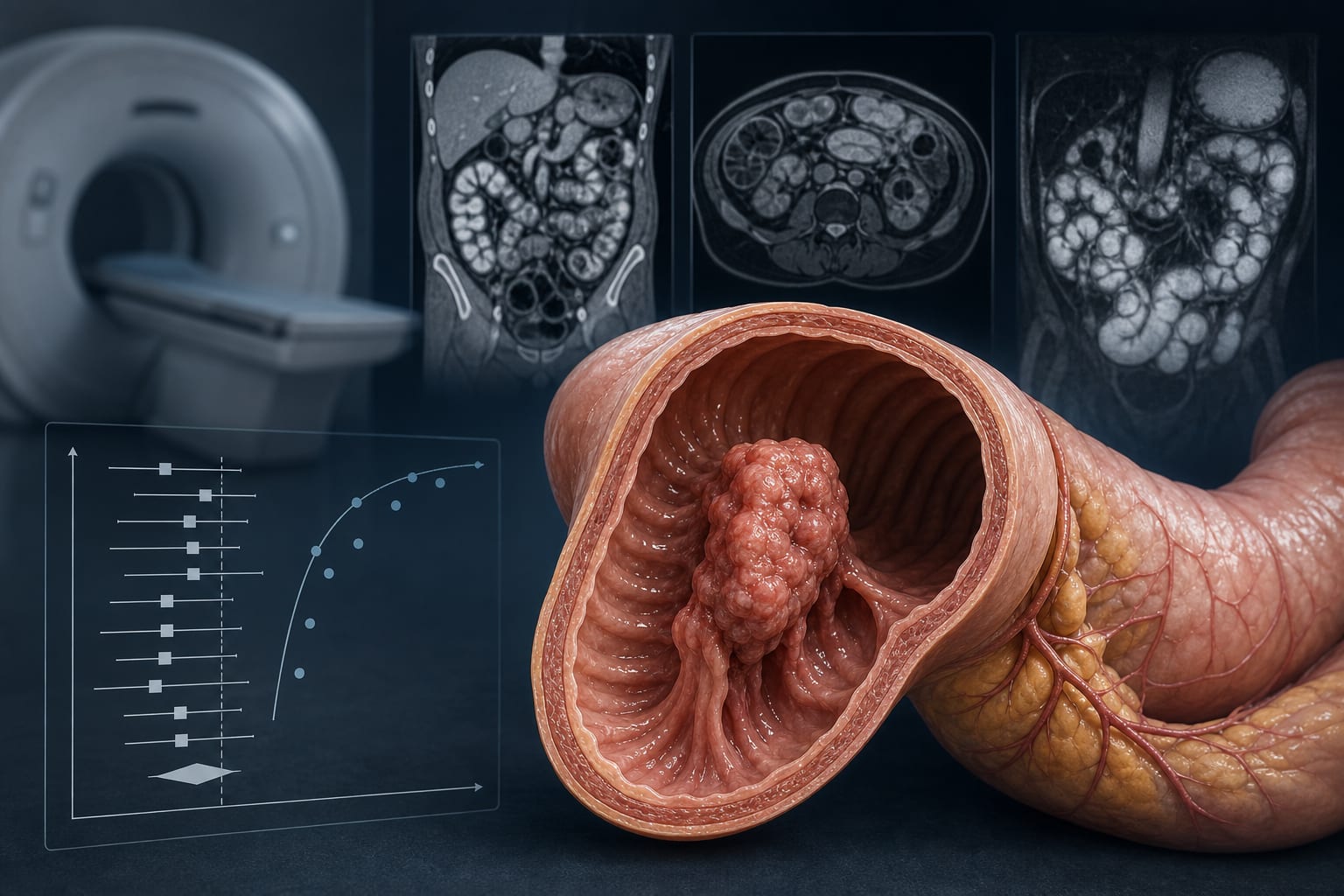
The patient presented with non-specific abdominal complaints and anemia, with imaging revealing an irregular gallbladder mass.
Postoperative histopathology confirmed GB-MANEC, with immunohistochemistry showing positivity for synaptophysin, chromogranin A, and a Ki-67 index of 90%.
High-throughput sequencing identified pathogenic gene alterations, including ERBB2 amplification and mutations in TP53, NOTCH1, and KIT.
The patient received adjuvant chemotherapy with cisplatin, gemcitabine, etoposide, and trastuzumab, with no evidence of recurrence at 7 months follow-up.
Clinical Implications
The diagnosis of GB-MANEC is primarily established through postoperative histopathological examination and immunohistochemistry. Surgical intervention remains the cornerstone of treatment.
Conclusion
GB-MANEC is a rare and aggressive malignancy that poses significant diagnostic and therapeutic challenges.