Tattoo Ink Chemical Constituents: Their Possible Involvement in Cancer Development
Background
Tattooing is increasingly popular, particularly among younger adults, yet concerns about the safety of tattoo ink ingredients persist. Reports of skin inflammations, allergic reactions, and potential carcinogenic effects associated with tattoo inks necessitate further investigation into their chemical constituents and health implications.
Data Highlights
No specific numerical data or trial results were provided in the source material.
Key Findings
Tattoo inks contain heavy metals and endocrine-disrupting chemicals, with permissible concentrations often exceeded.
There have been reports of various skin cancers in patients with tattoos, though the links remain unclear.
High urinary concentrations of phthalates were detected shortly after tattooing, particularly in larger tattoos.
Current scientific reports indicate allergic and granulomatous reactions but do not confirm mutagenic effects of tattoo inks.
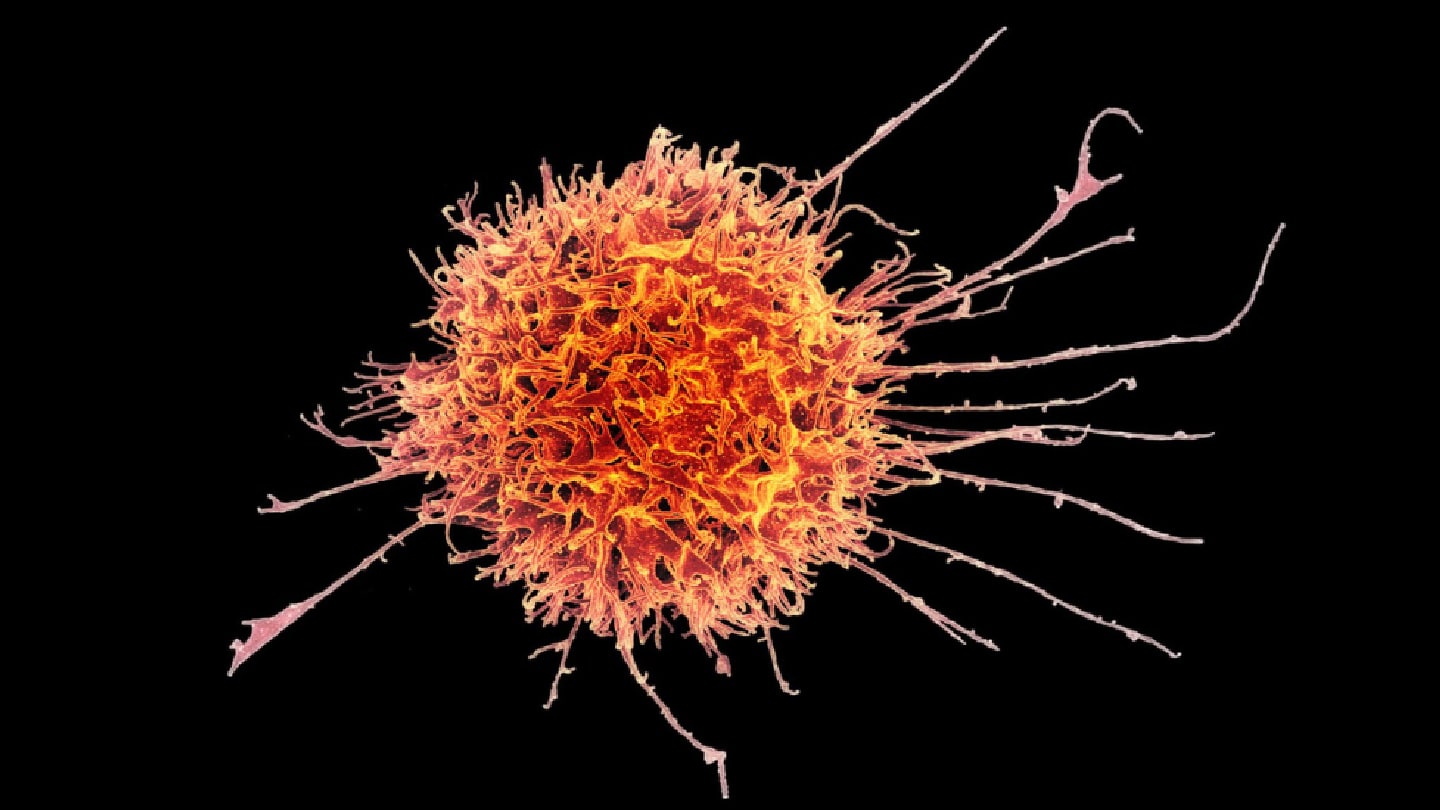
The tattooing process triggers an inflammatory response, with immune cells absorbing the ink.
Clinical Implications
Healthcare professionals should be aware of the potential risks associated with tattoo inks, including allergic reactions and the presence of harmful chemicals.
Conclusion
The safety of tattoo inks remains a significant concern, with ongoing debates regarding their chemical constituents and potential health risks.